 Travel in China
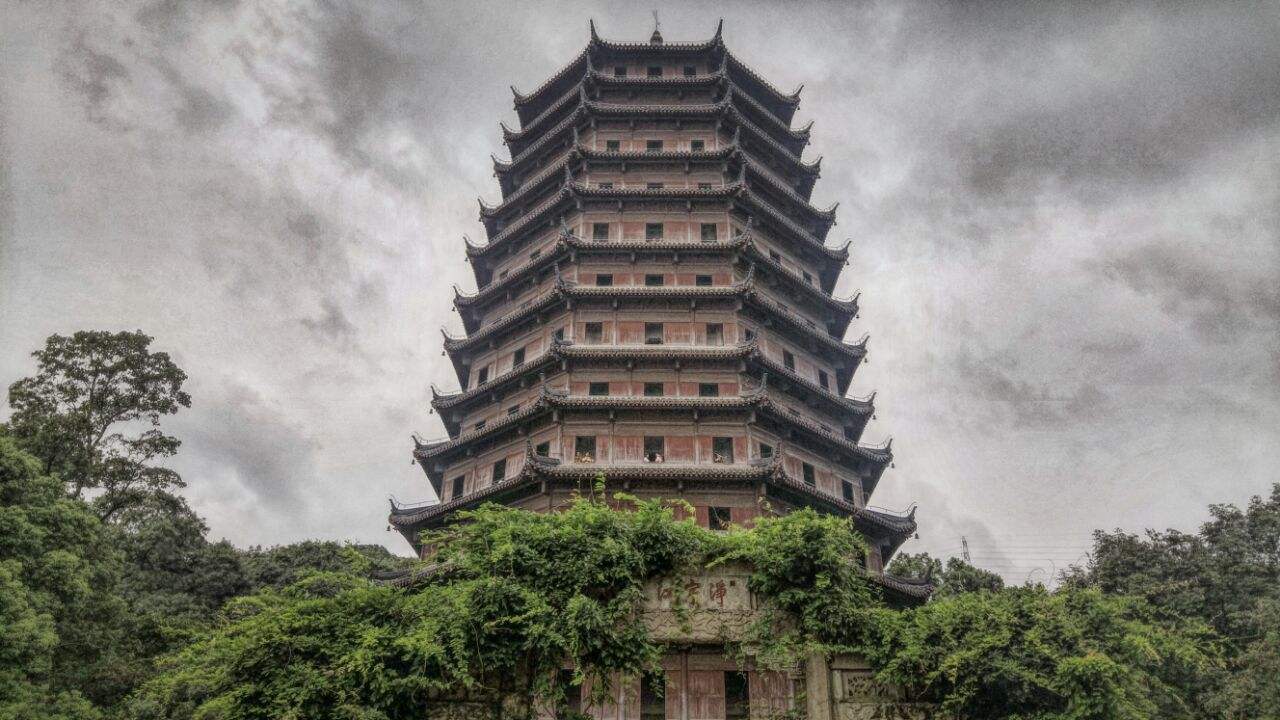
Buy both tickets, climb while the legs are fresh, then come down for the garden and the bridge memorial — the best photograph is from the upper path, not the windows.
Suggested Itinerary
- 2 hours — Tower and Garden
Main gate → the seven-level climb with its window views → down through the Ancient Pagodas Garden to the upper path for the pagoda-and-bridge photograph. - Half day — Plus the Bridge Memorial
The circuit above, then walk 10 minutes east along the river to Mao Yisheng's statue and the 1937 bridge memorial hall at the north bridgehead.
What to See
The Climbable Song Core
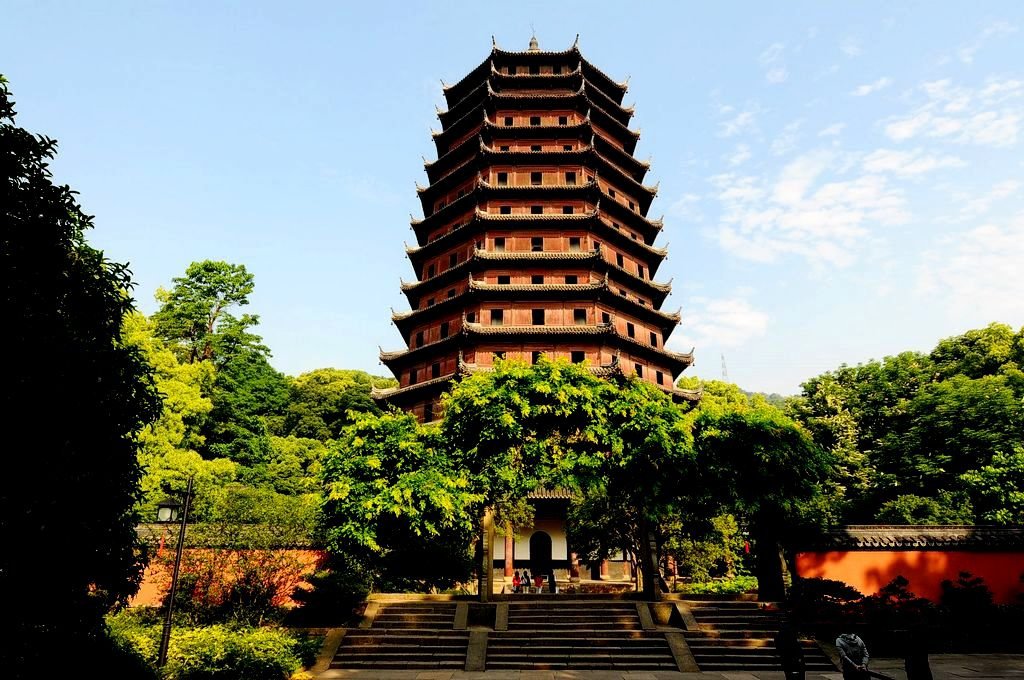
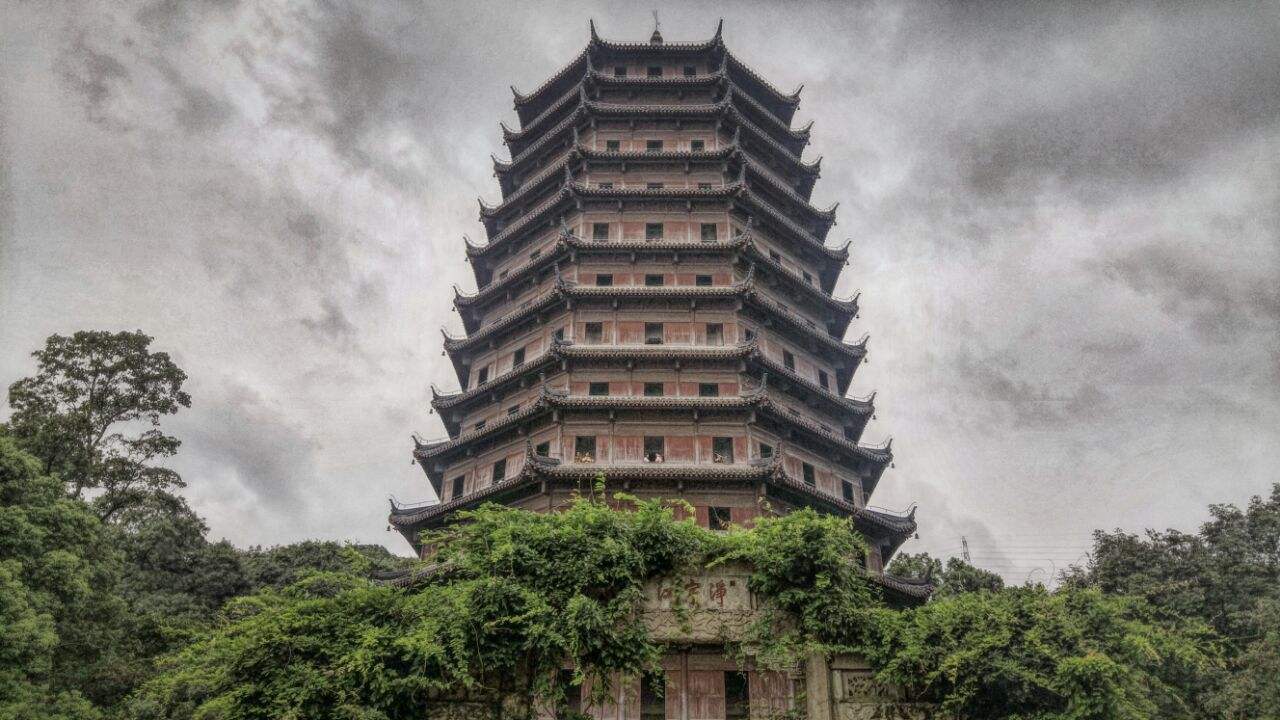
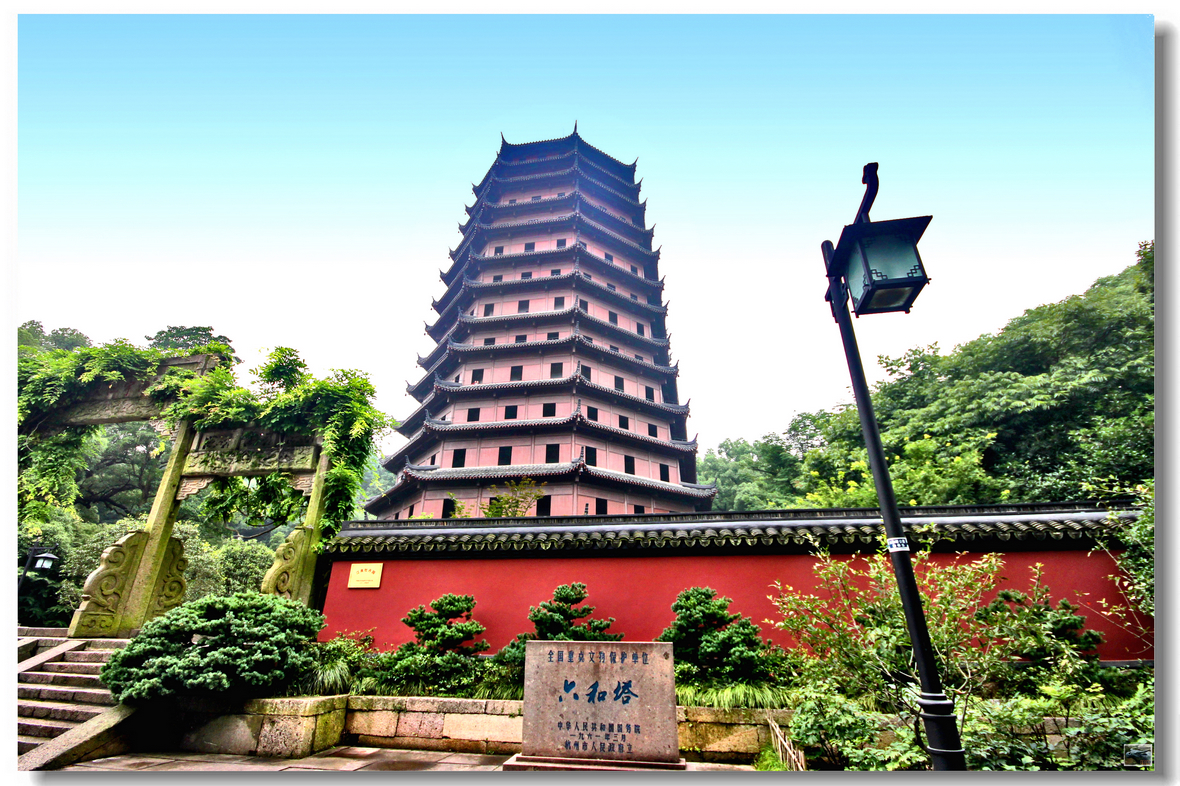
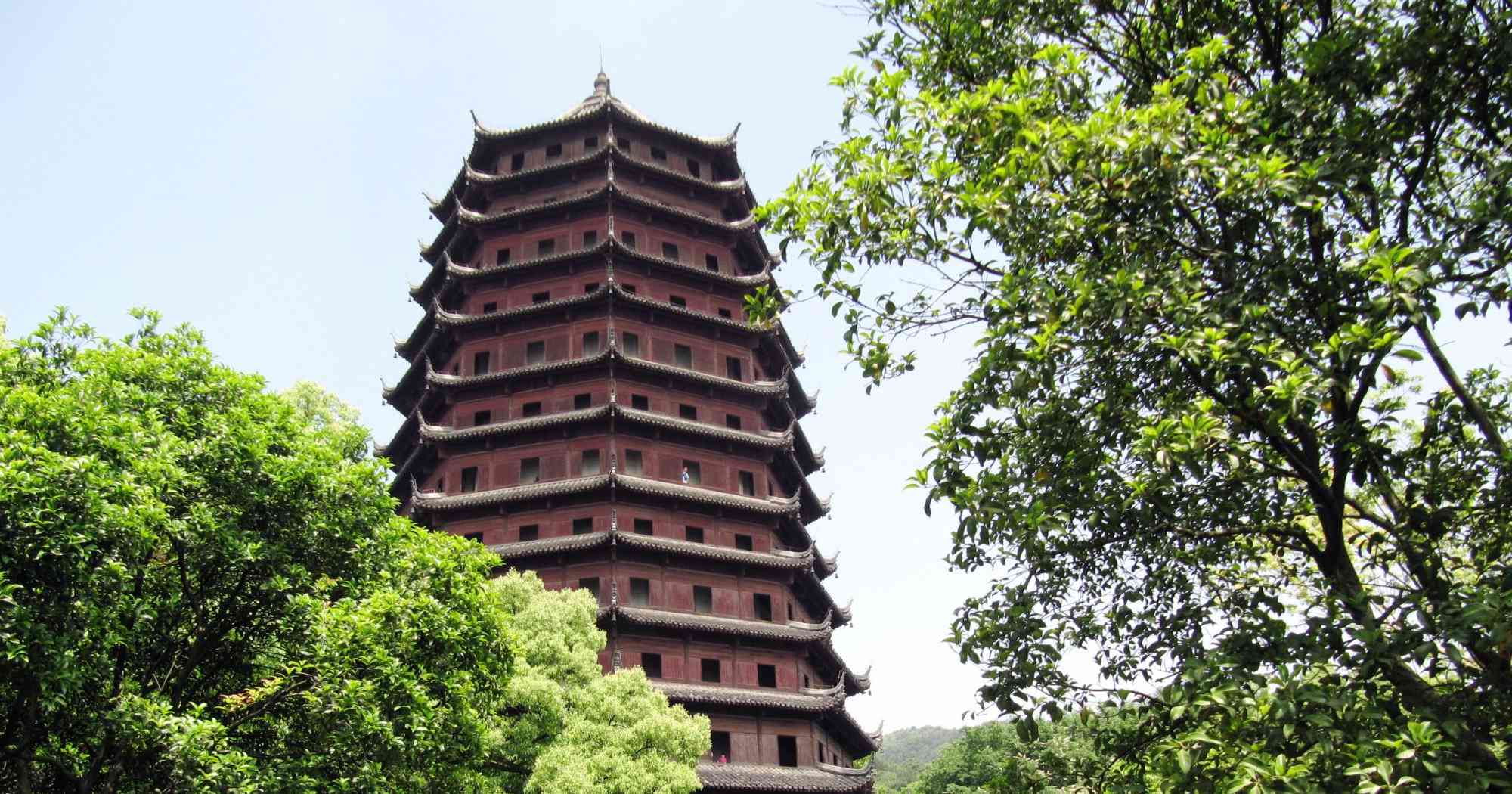
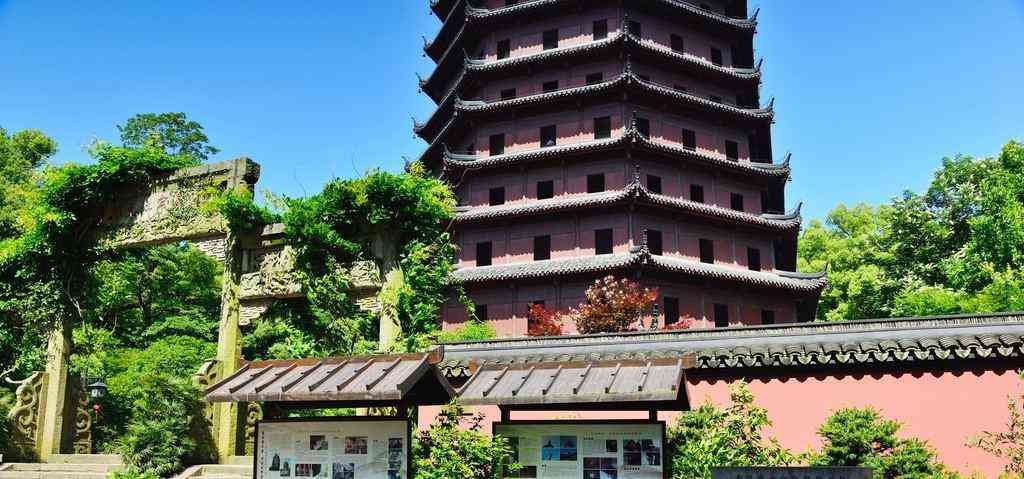
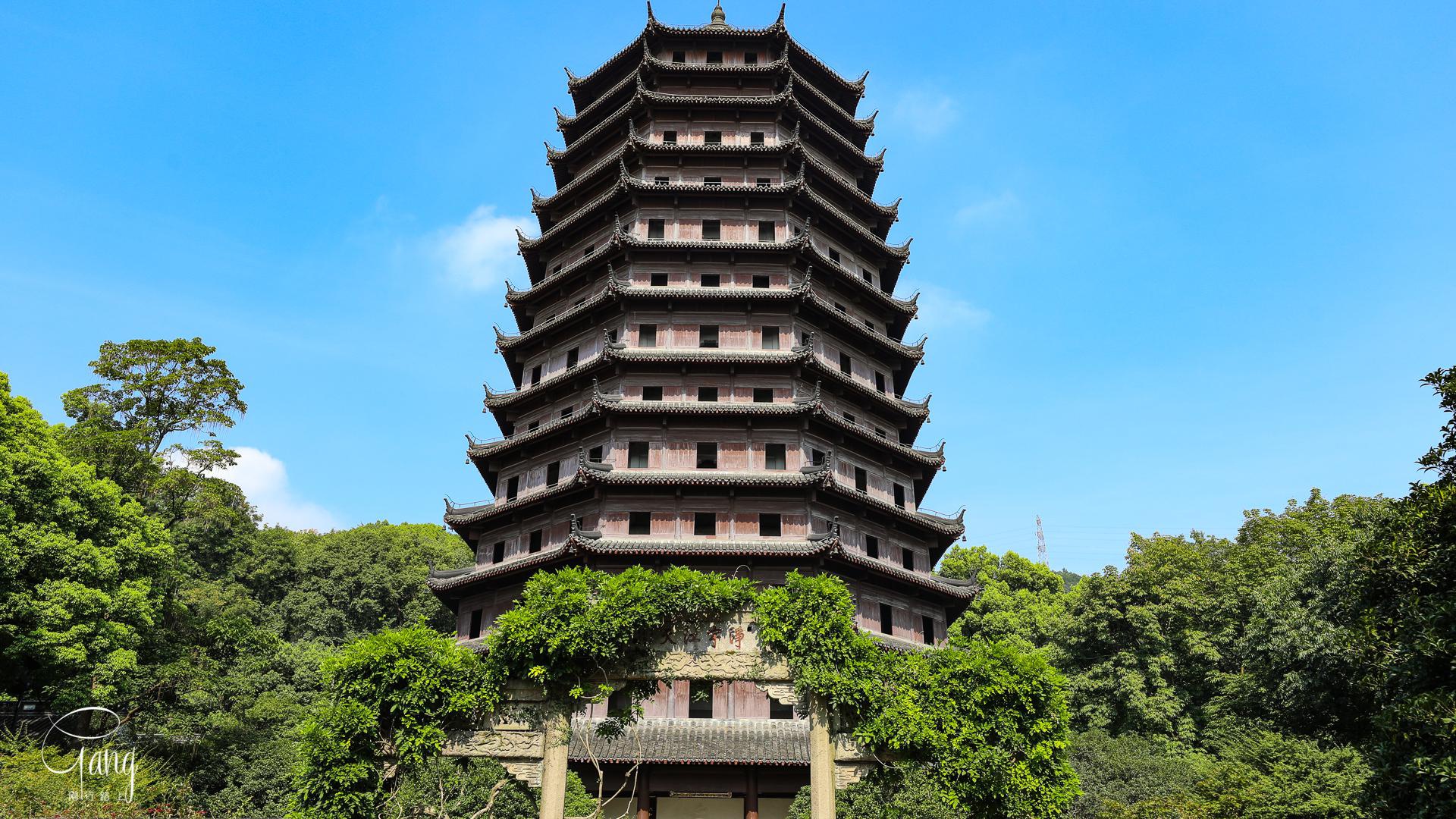
The 59.9-metre 1163 brick core with its seven stair levels — one of the few ancient pagodas in China you can still climb.
The Thirteen Eaves & 104 Bells
The 'seven bright stories, six dark' silhouette hung with 104 iron bells — eight centuries of river wind ringing the tower.
Song Brick Carvings
Over 200 carved motifs of flowers, lions, flying apsaras and mythical birds ringing the Sumeru pedestals — artefacts matching the Song building manual.
The Window Frames
The latticed second- and third-floor windows framing the river — the 2025 viral 'one window, one view' shots.
Ancient Pagodas Garden
The hillside garden of miniature Chinese pagodas behind the tower — and the upper path with the best pagoda-and-bridge photograph.
Qiantang Bridge & Memorial
Mao Yisheng's 1937 double-deck bridge below the tower, its trains still running — with the engineer's statue and memorial hall at the north bridgehead.
Photo Gallery
Tips from Real Travelers
Food & Drink
Qiantang Riverside Dining
The river-facing restaurants along Zhijiang Road — river fish and riverside tables below the tower.
Hupao Belt Teahouses (nearby)
The spring pavilions a few minutes west — Longjing brewed with Hupao water, the classic pairing.
Zhijiang Road Noodle Houses
Local noodle counters near the bus stops — the quick bowl before or after the climb.
Comments