 Travel in China
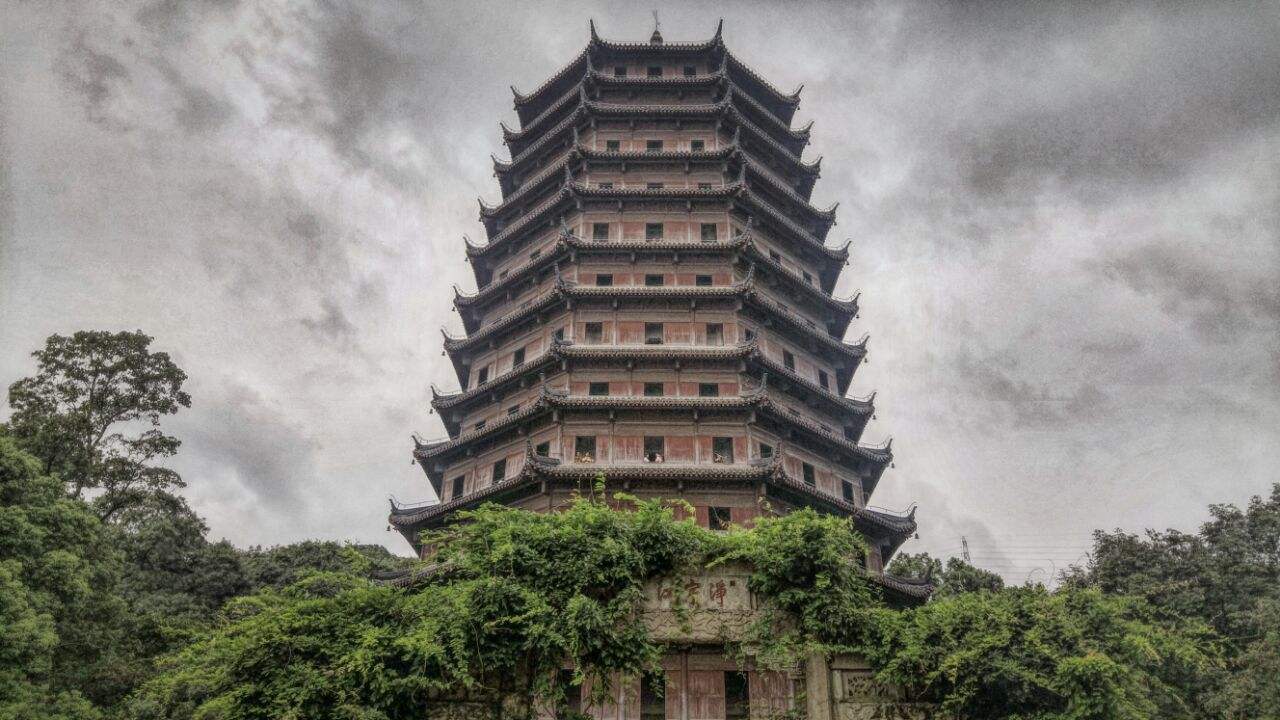
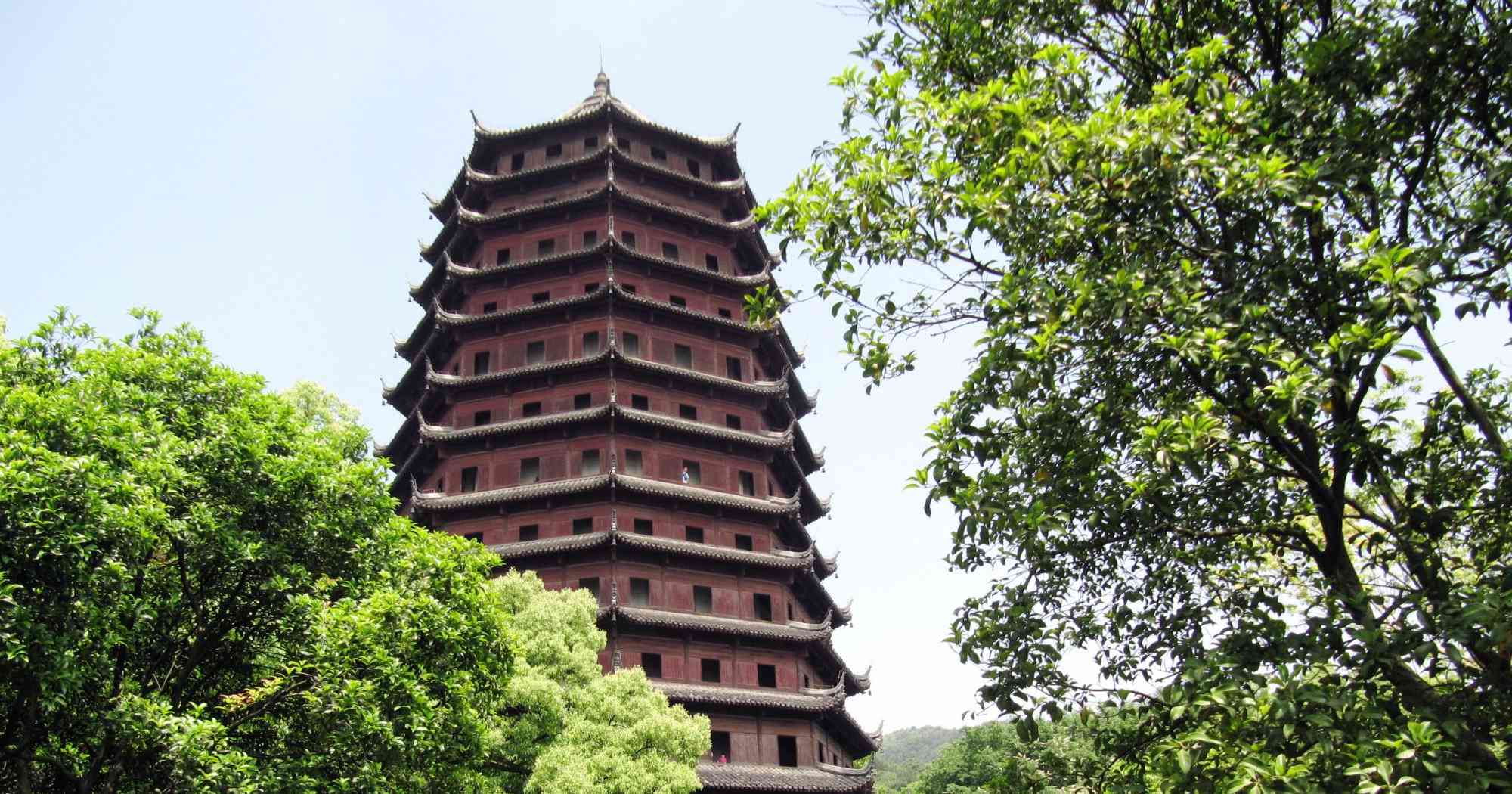
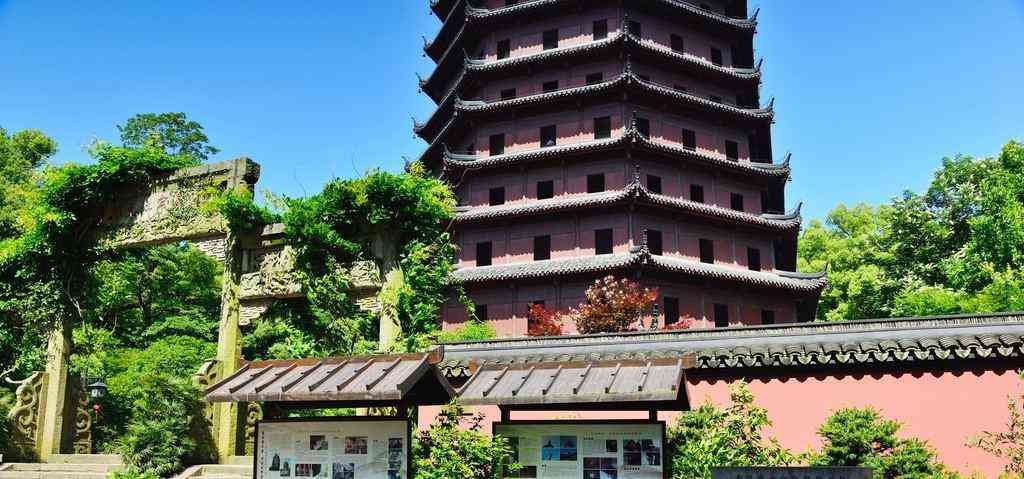
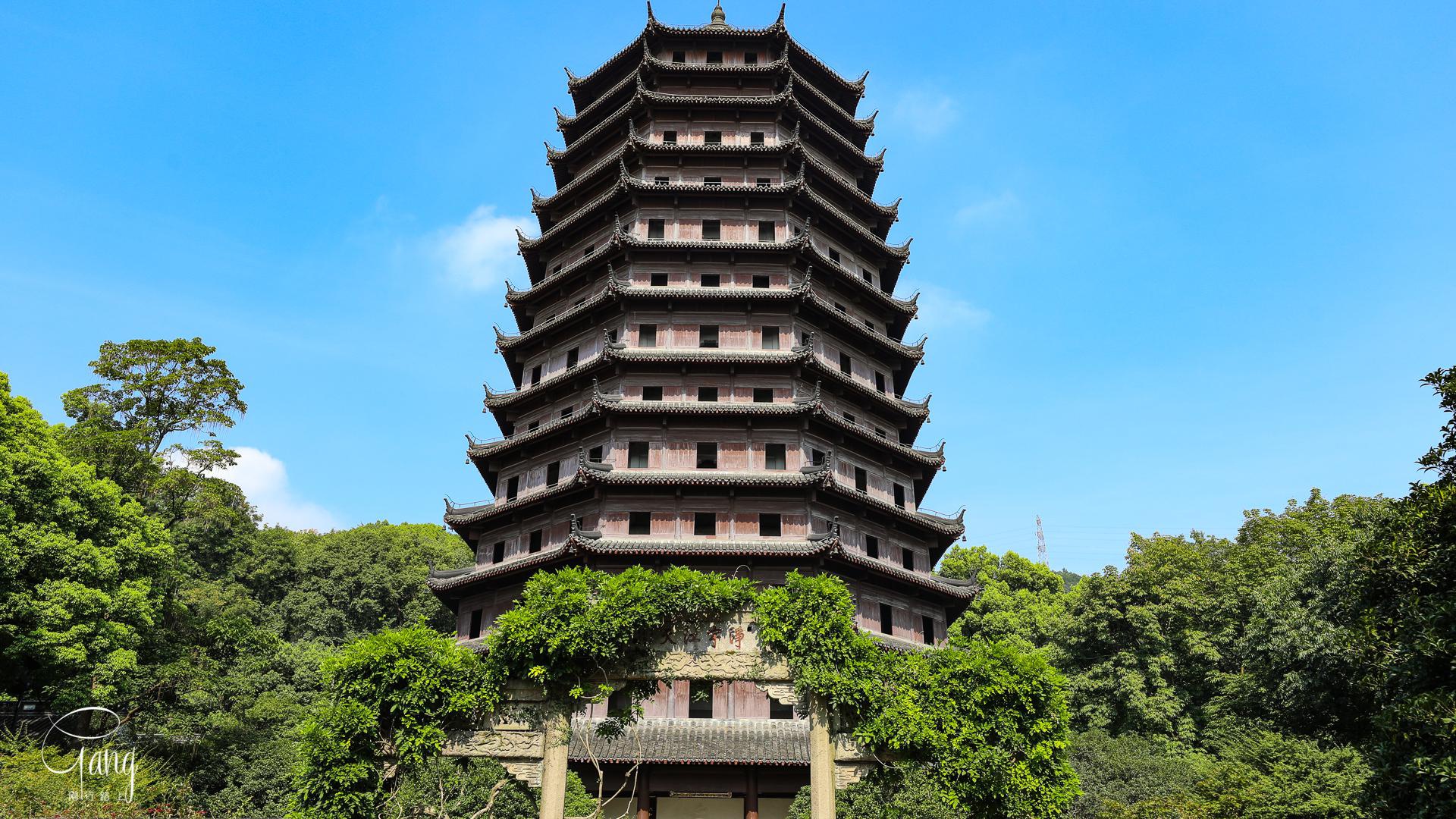
Liuhe Pagoda has watched the Qiantang River for a thousand years from Yuelun Hill — raised in 970 by a Wuyue king to calm the tidal bore, its 1163 brick core surviving as one of China's best-preserved Song towers. Thirteen eaves hang 104 iron bells on a frame that reads 'seven bright stories, six dark', and it is one of the few ancient pagodas you can still climb, each window framing the river and the 1937 Qiantang Bridge below. Part of the West Lake UNESCO landscape.
Dive deeper: full travel guide · transport & map · where to stay & book
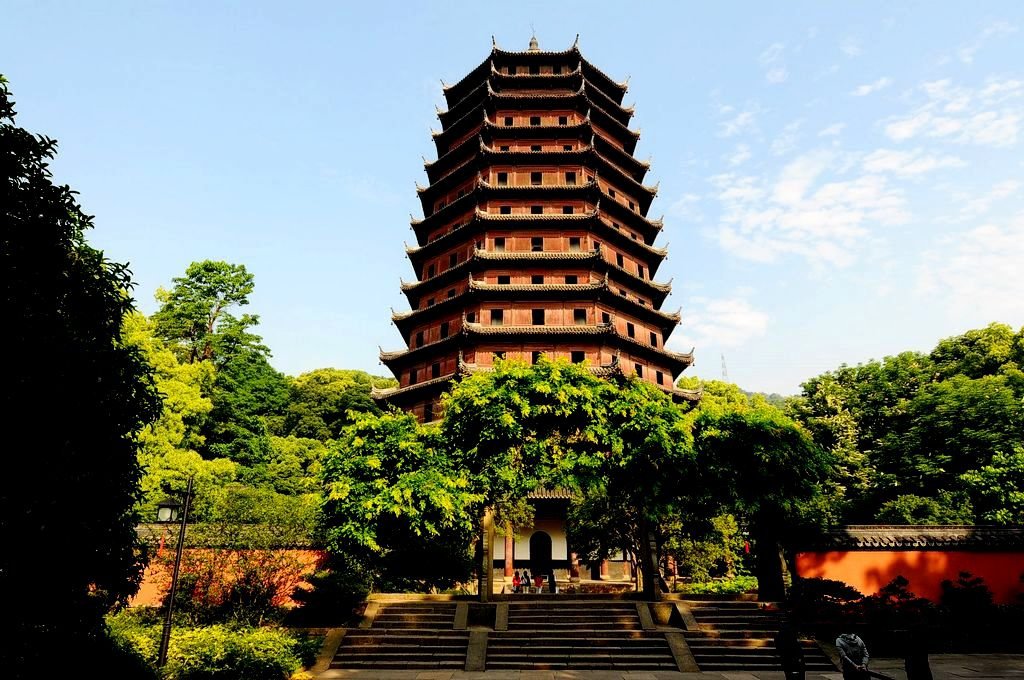
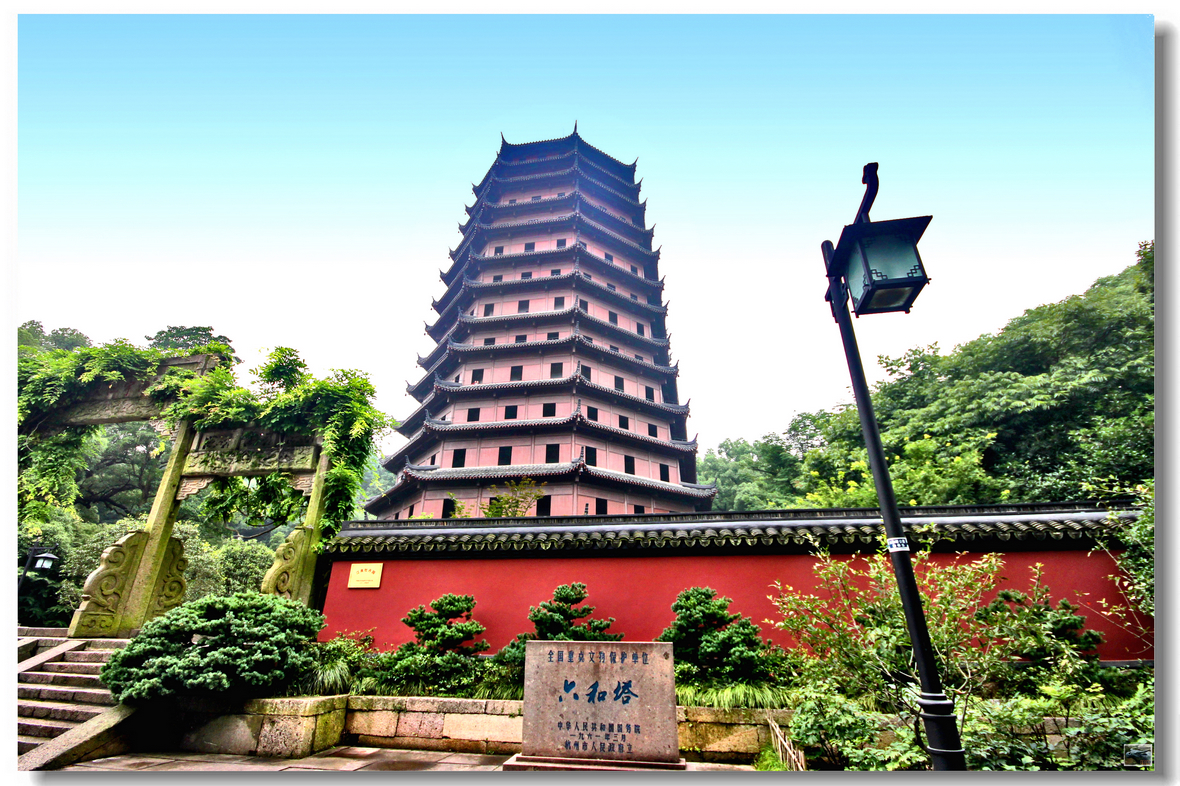
The tower was born from the river's temper. In 970 the Wuyue king Qian Chu raised Liuhe — 'Six Harmonies' — on Yuelun Hill above the Qiantang's north bank, intending its height to calm the notorious tidal bore that thundered past; its double duty was a lighthouse for the shipping that the same river carried. Fire and war brought rebuilds, and the brick core of 1163 — Southern Song masonry — survives as one of China's best-preserved Song brick-and-timber towers and a first-batch national heritage site. The pagoda's structure still reads 'seven bright stories, six dark': thirteen exterior eaves hung with 104 iron bells, rung by the river wind for eight centuries.
Climbing it is the privilege. Liuhe is one of the few ancient Chinese pagodas still open to the stair — seven levels of the 59.9-metre core, each landing opening onto latticed windows that frame the Qiantang like hanging scrolls. The view assembles the site's great pairing: below the tower, the 1937 double-deck Qiantang River Bridge by Mao Yisheng — China's first self-designed modern crossing, trains still running its lower deck — ranged along the water; behind, the hillside garden of miniature pagodas climbs to the shot locals rate above the tower's own windows. In 2025 the 'one window, one view' landings went viral on social media, young visitors queueing for green-framed river shots until managers introduced timed crowd control.
Visiting in 2026 is a two-ticket affair: park entry ¥20 plus tower climb ¥10 (combined ¥30, concessions half) via the West Lake scenic-area channels or the gate, open 07:00-17:30 in summer and to 16:55 in winter with National Day week extended to 18:00. The climb is stairs only — the upper flights narrow — so budget ninety minutes to two hours including the pagoda garden, adding thirty for the bridge memorial hall at the north bridgehead. Around Mid-Autumn, when the bore runs biggest on the eighteenth day of the eighth lunar month, the tower resumes its oldest job: watching the tide.
Highlights
Climbing the Thousand-Year Tower
Stairs climb seven levels of the 59.9-metre Song-era brick core, one of the few climbable ancient pagodas in China. Each landing opens onto river-facing windows.
Qiantang River Bridge View
The 1937 double-deck bridge by Mao Yisheng crosses the river below the tower, trains still running on the lower deck. The pagoda-and-bridge pairing is Hangzhou's great vertical-and-horizontal photograph.
One Window, One View
The latticed windows on the second and third floors act as natural picture frames of the river. The 2025 viral 'green energy windows' made this a youth phenomenon.
Song Brick Carvings
Over 200 carved motifs of flowers, lions, flying apsaras and mythical birds ring the Sumeru pedestals. They match the Song building manual and are key artefacts.
Ancient Pagodas Garden
The hillside behind holds miniature replicas of a hundred famous Chinese pagodas. It rewards a slow uphill walk with shaded pavilions.
Qiantang Tidal Bore Watching
Since the Song era the tower has been a classic viewpoint for the tidal bore, especially around Mid-Autumn's 18th day of the eighth lunar month. The modern viewing deck continues that tradition.
Photo Gallery
Comments