 Travel in China
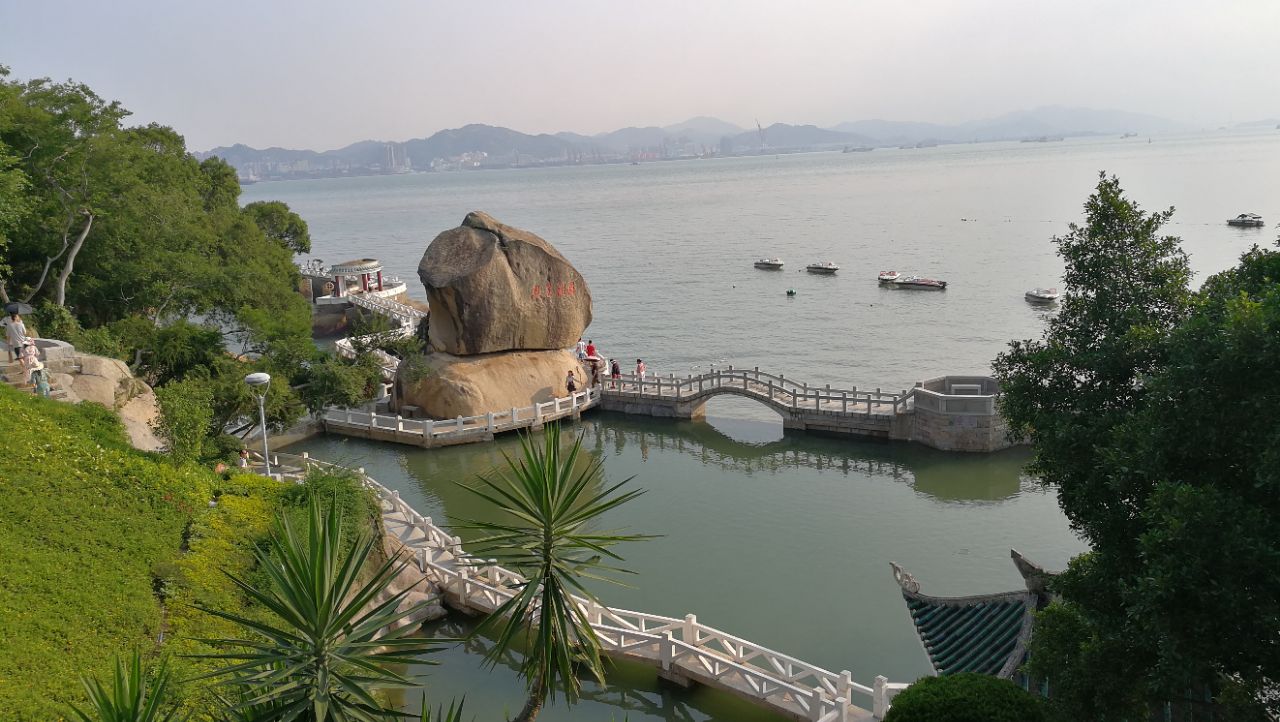
Shuzhuang Garden — a 1913 seaside villa garden on Gulangyu's southern shore, built by Taiwan-born merchant Lin Erjia as an exile's replica of his lost Banqiao estate: the sea hidden then revealed, the Forty-Four Bridge curling over the waves, and China's first piano museum inside.
Dive deeper: full travel guide · transport & map · where to stay & book
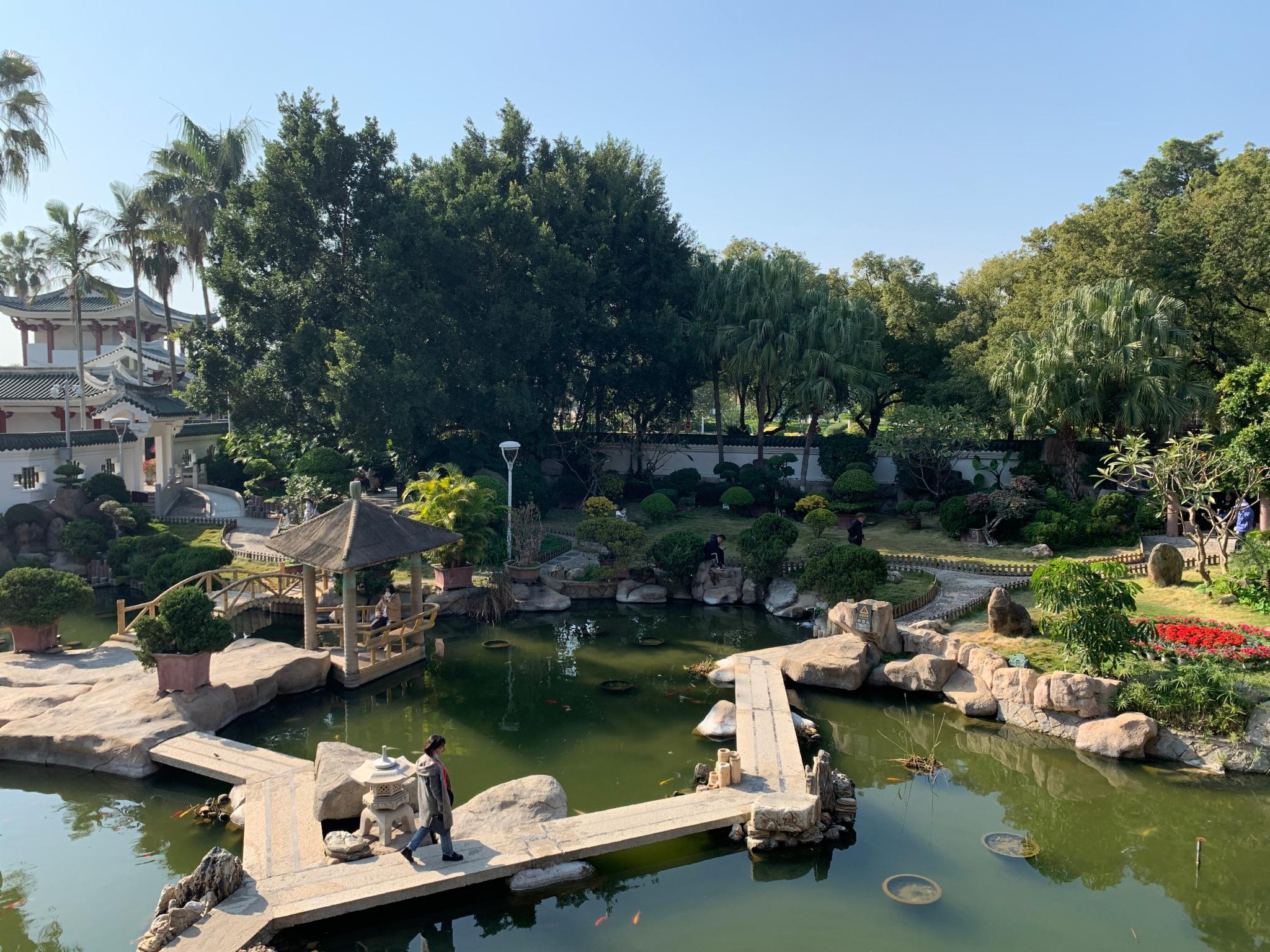
Shuzhuang Garden is a 1913 seaside villa garden on the southern shore of Gulangyu, built by Taiwan-born merchant-philanthropist Lin Erjia after his family fled the Japanese takeover of Taiwan in 1895. Named as a homophone of his courtesy name 'Shuzang', the garden is a poignant replica-in-exile of the Lin family's lost Banqiao estate — a hometown its builder could never return to. Covering a compact 20,000-plus square metres bought with a fortune made in trade, it stands today as both a classical garden of the first rank and a quiet monument to a family's displacement, its plaques recounting the 1895 flight that brought it into being.
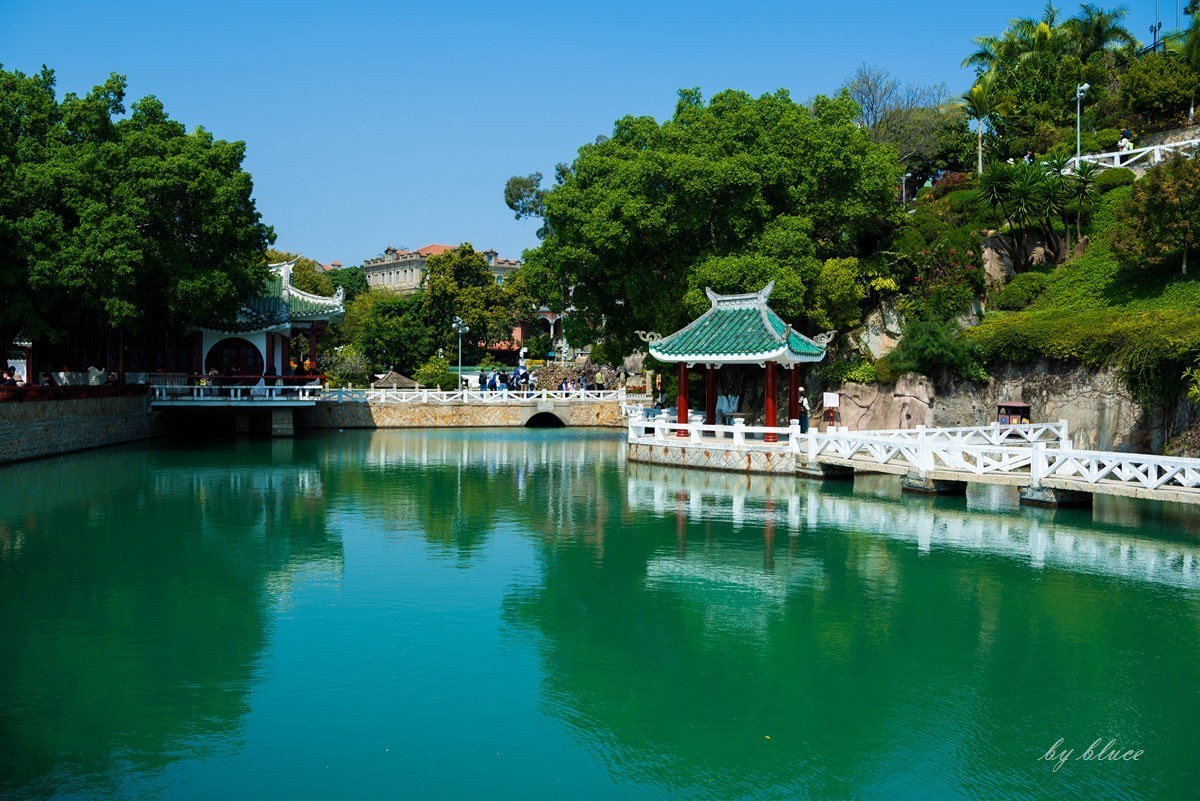
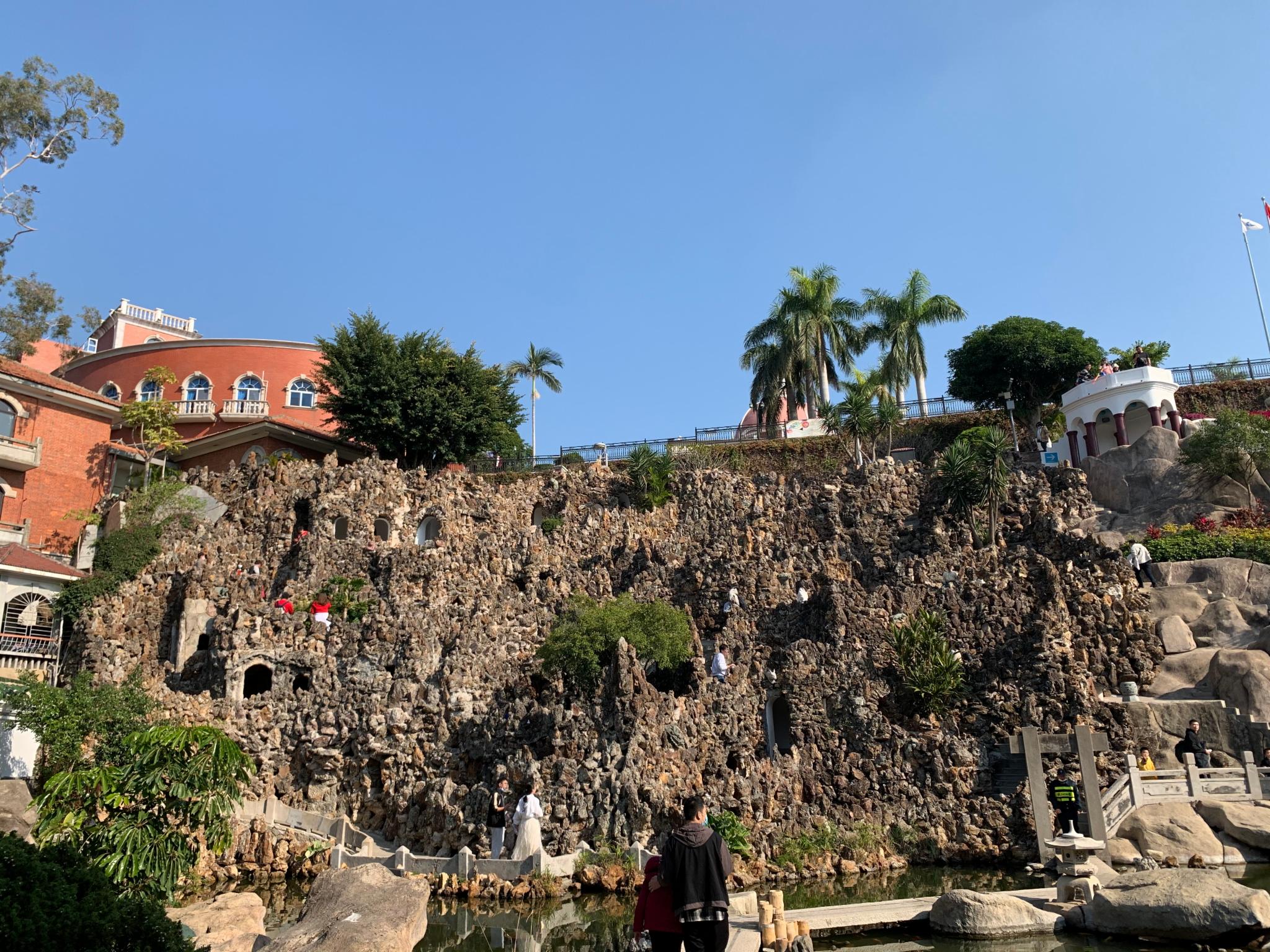
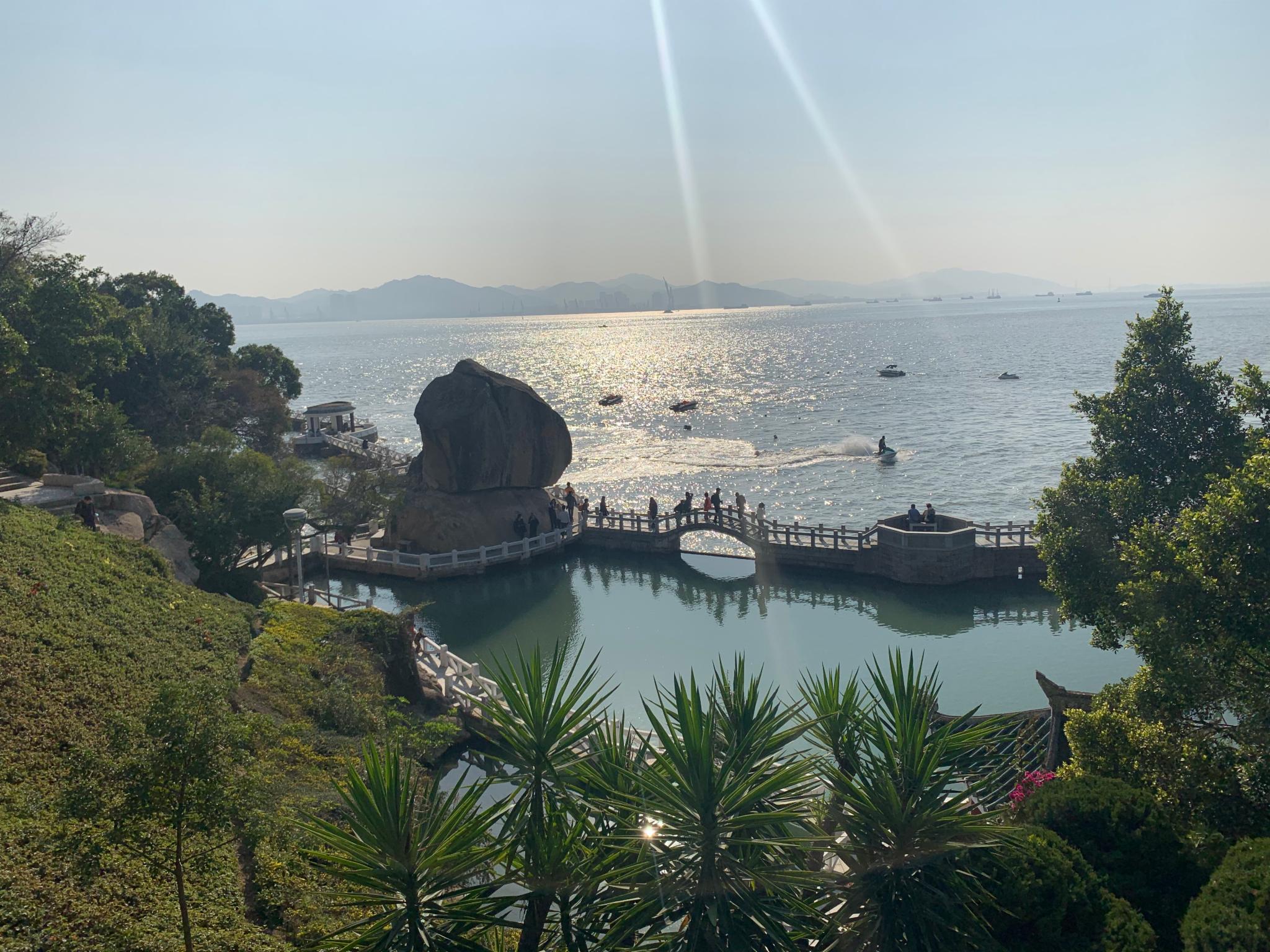
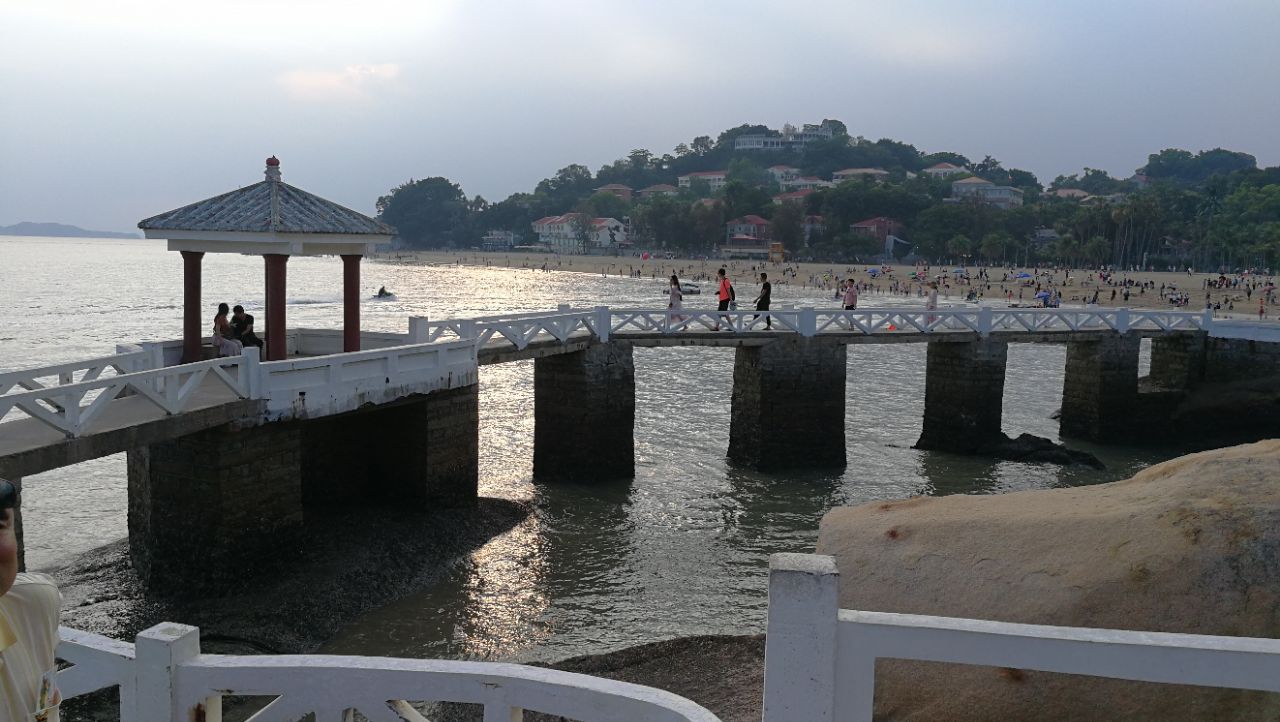
The design is a masterclass in the classical techniques of 'hiding, borrowing and cleverness'. The sea is deliberately concealed behind the entrance, then bursts into view after a few turns; Sunlight Rock is borrowed as the garden's vertical backdrop; and the ocean itself becomes the pond through the famous Forty-Four Bridge — a winding wave-top causeway named for the owner's age when it was built, threaded with the half-moon Duyue Pavilion, a fishing terrace and wave-listening corners. The garden splits into the Sea-Hiding section with its moon-viewing pavilions and the Mountain-Patching section crowned by the Twelve Caves, a red-sandstone zodiac labyrinth built from fallen boulders.
Inside sits the Piano Museum, China's first, opened in 2000 within the tin-roof (听涛轩) villa with instruments from Lin's family collection — century-old grands and self-playing pianos, with recital sessions typically mid-morning and afternoon. Entry costs ¥30 including the museum, or comes within the Gulangyu five-attraction combo at ¥100 (2026 price). There is no metro on the island: take Line 1 to Zhenhai Rd, walk to the Lundu pier, ferry across, then a 20-minute walk along Longtou Rd and Tianwei Rd — pausing at the small sandy cove of Gangzaihou beach beside the entrance, the island's favourite swimming spot.
Highlights
Forty-Four Bridge
The garden's signature wave-top causeway zigzags over the sea, threaded with the half-moon Duyue Pavilion, fishing terrace and wave-listening corners.
Piano Museum
China's first piano museum, opened in 2000 inside the tin-roof villa, with century-old grands and self-playing pianos from the Lin family collection.
'Hiding the Sea' Design
The entrance deliberately screens the ocean; only after a few turns does the vast sea burst into view — the classical 'conceal then reveal' technique.
Twelve Caves Labyrinth
A red-sandstone maze of twelve interlocking grottoes named for the Chinese zodiac, built with fallen boulders — children love getting lost here.
Lin Erjia's Story
The garden is a replica-in-exile of the Banqiao Lin family estate in Taiwan; plaques recount the family's 1895 flight from Japanese rule.
Borrowed Sunlight Rock Backdrop
The garden frames Sunlight Rock as its 'borrowed' vertical scenery, stitching the island's highest point into the composition.
Photo Gallery
Comments