 Travel in China
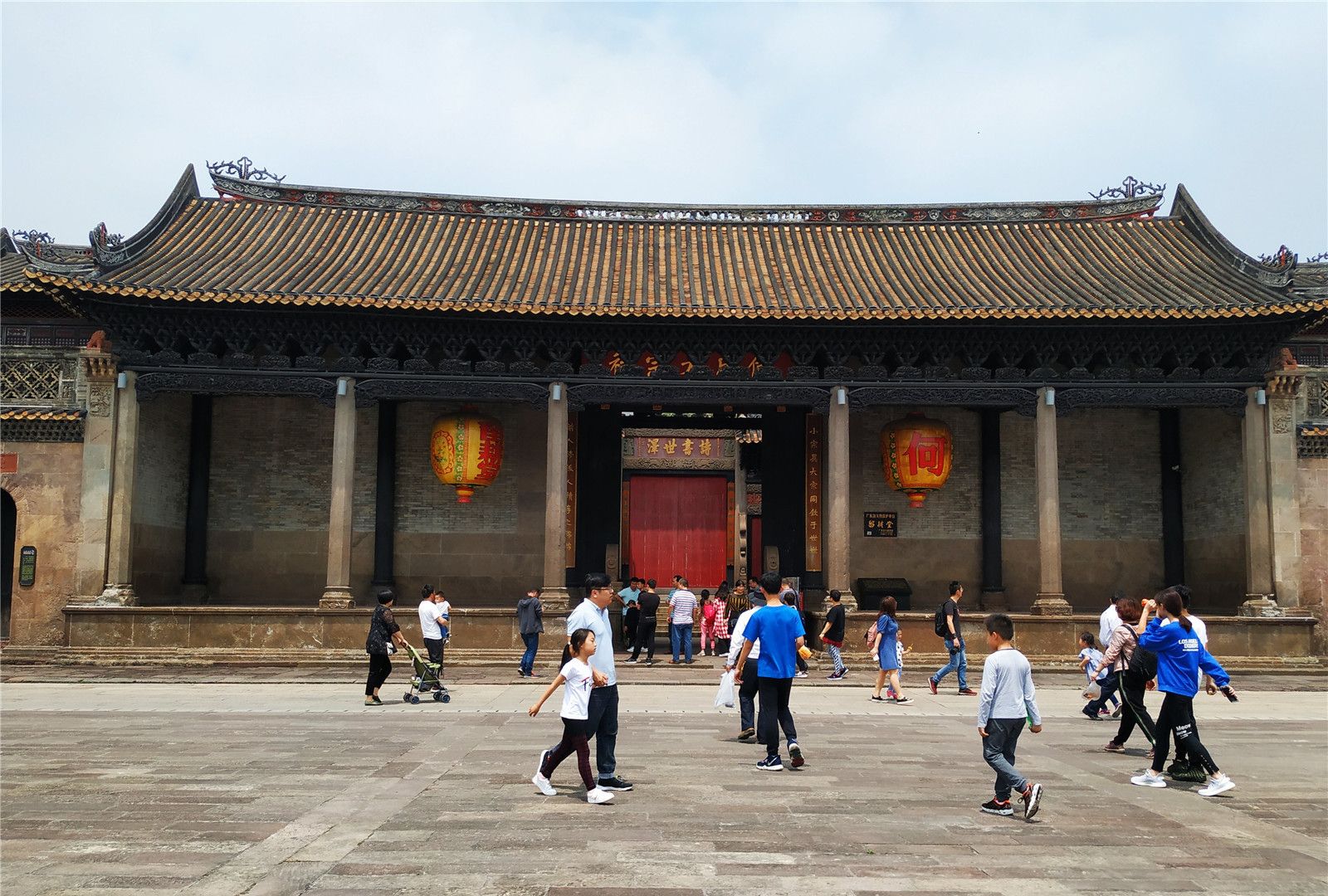
Eight hundred years old and still lived-in, Shawan is a Pearl River delta market town of oyster-shell walls, blind lanes and the birthplace of Cantonese music's best-loved melodies. The He clan's 1275 ancestral hall — five courtyards deep on 112 columns — anchors a chessboard of streets where ginger milk pudding was invented and the lunar-March 'floating colour' parade still rolls. The streets are free, seven heritage halls share one ticket, and the whole town sits an hour from downtown and a world apart.
Dive deeper: full travel guide · transport & map · where to stay & book
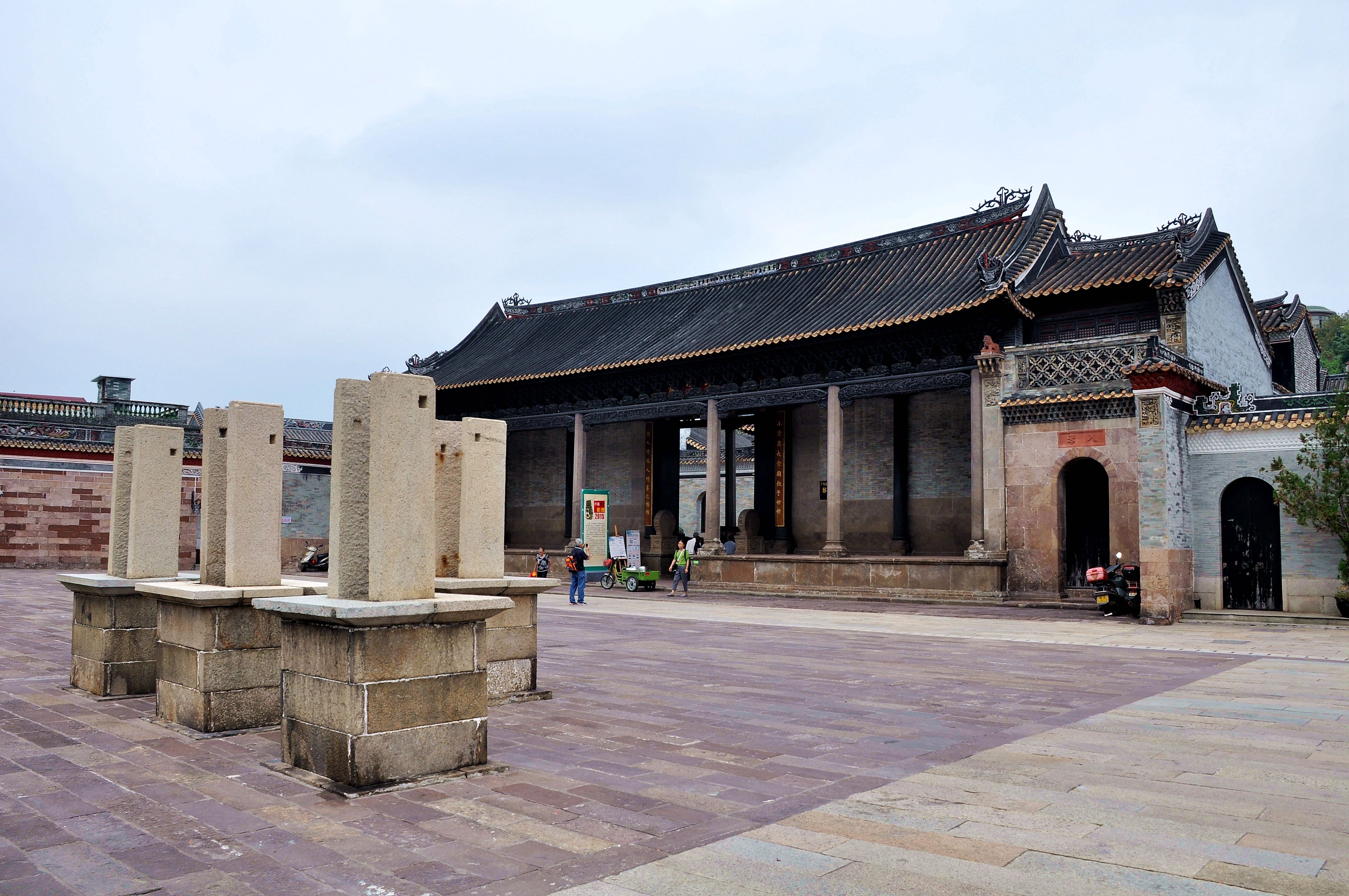
Shawan was founded by the He clan in the Southern Song, roughly eight hundred years ago, on a sweep of sandbank at the delta's edge — hence the name, 'Sandy Bay'. The clan's scholar-official line produced eight jinshi degree-holders and some fifty juren, and their hall of honour, Liugeng Tang, first raised in 1275, was expanded under the Kangxi era into its present five-courtyard, 112-column glory. The town grew rich on fish, sugar and buffalo milk; the last became its signature dish. In 2019 Liugeng Hall entered the national key-heritage list, capping the town's status as a 4A-rated Chinese Historical and Cultural Town.
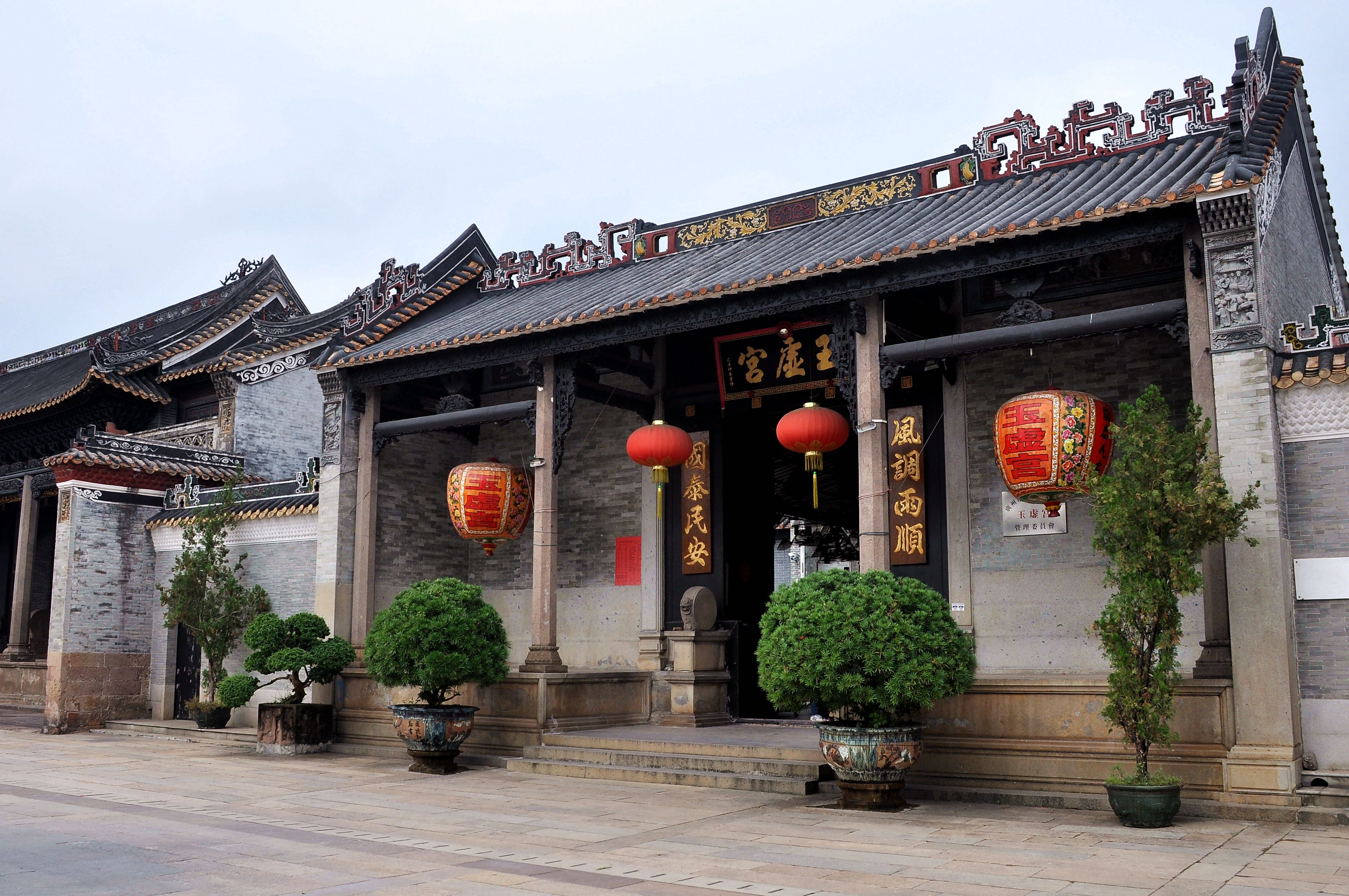
The plan is classic delta: three streets and six markets laid out like a comb, blind alleys closing against river raiders, drainage channels running beside the flagstones. The walk strings together a Ming oyster-shell wall — literally thousands of shells packed into mud — the riverside Wenfeng Pagoda, and halls where the He family's 'three masters' composed Cantonese music's 'Racing the Dragon Boat' and 'Rain Beating the Bananas'. Shawan's living heritage is louder still: it is the cradle of the amateur 'private music club' tradition, and each lunar March Third the whole town turns out for piaose, the 'floating colour' parade where costumed children seem to hover above the crowds, alongside lion-dance troupes — both listed national intangible heritage.
Visiting in 2026 is straightforward: the streets are free and open around the clock, while seven restored halls sell a combined ticket — ¥40 on the counter, ¥30 online — admitting until 17:00. The town carries a 4A scenic rating, strong visitor scores (4.4 on Ctrip), and a location far enough out — forty minutes by bus beyond Line 3's Shiqiao terminus — that weekday mornings remain genuinely quiet. The standard play is Shawan plus Baomo Garden, fifteen minutes apart by car, as a Panyu west-line day. End on Anning West Street with hot ginger milk pudding, and eat your research while it is still set: the town's signature thickens as you wait, and waits for no one.
Highlights
Liugeng Ancestral Hall (1275)
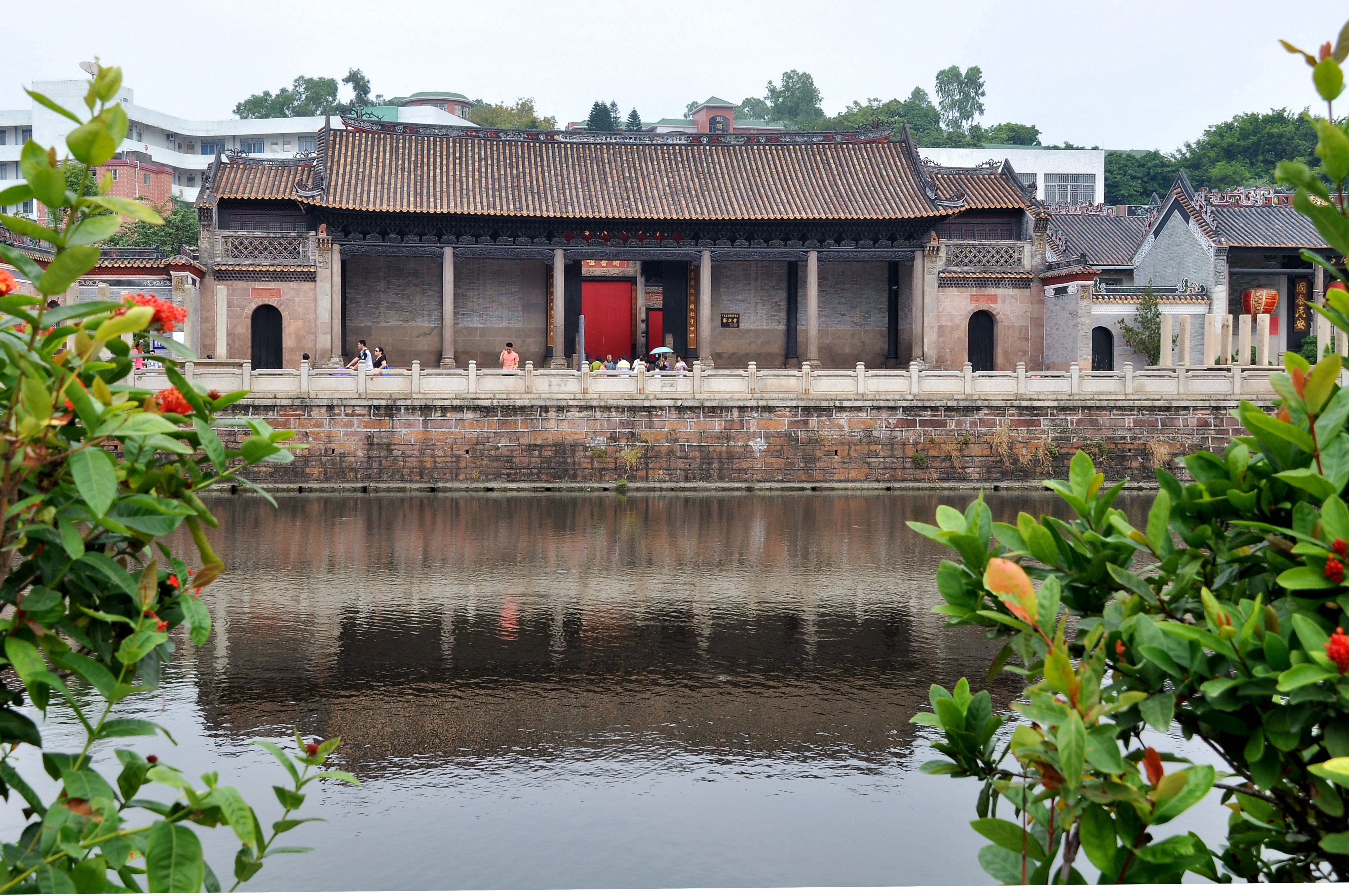
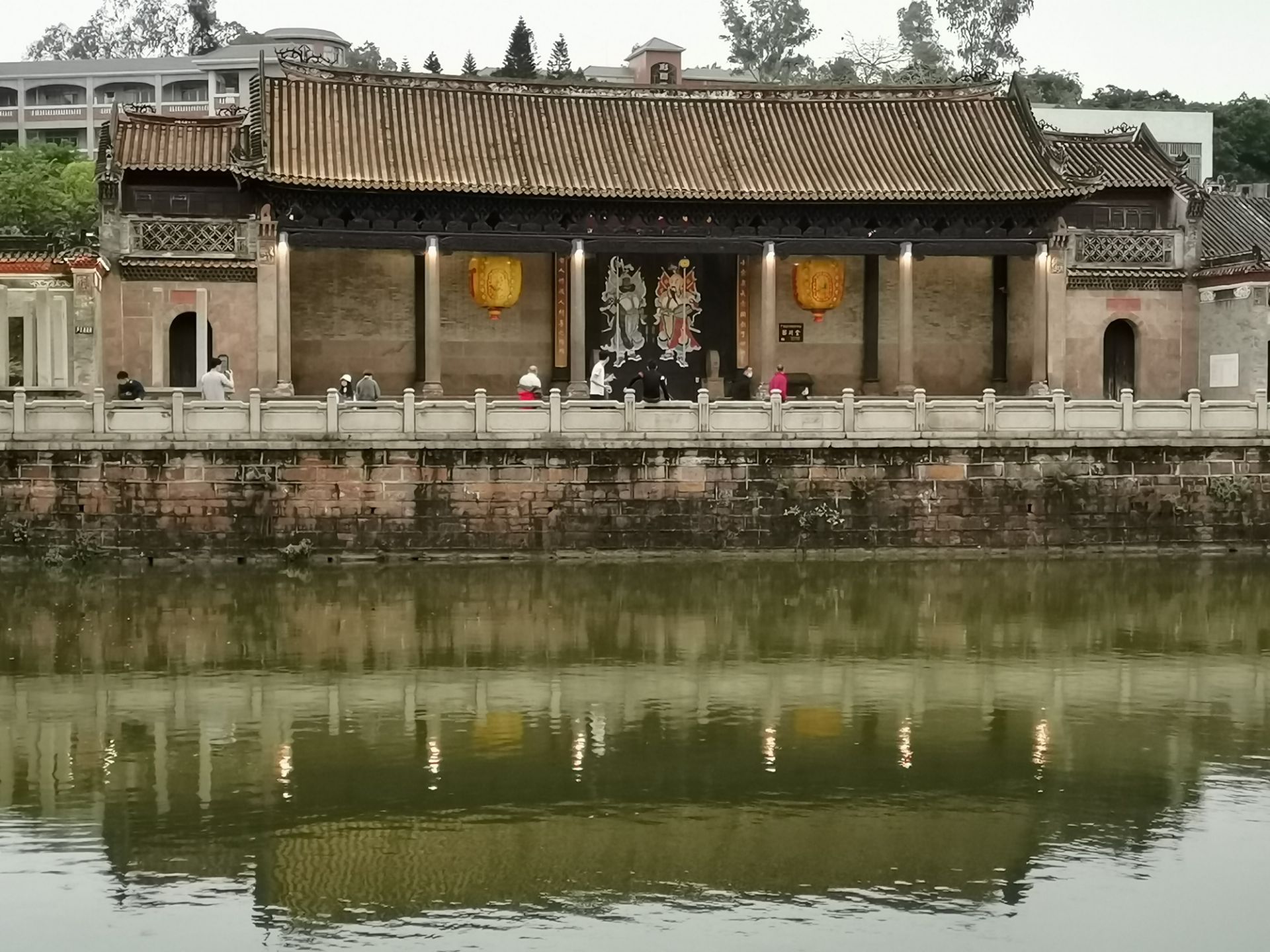
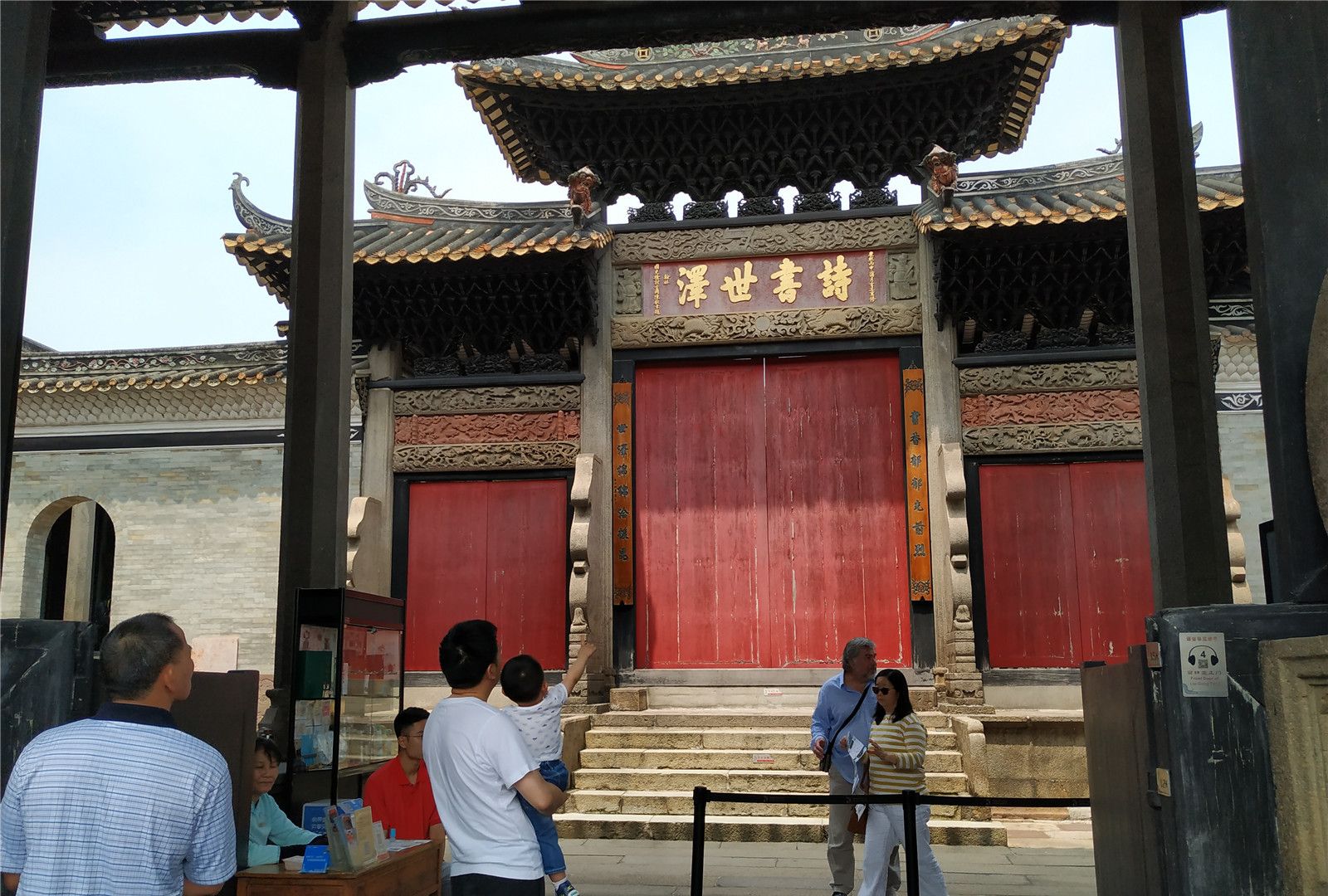
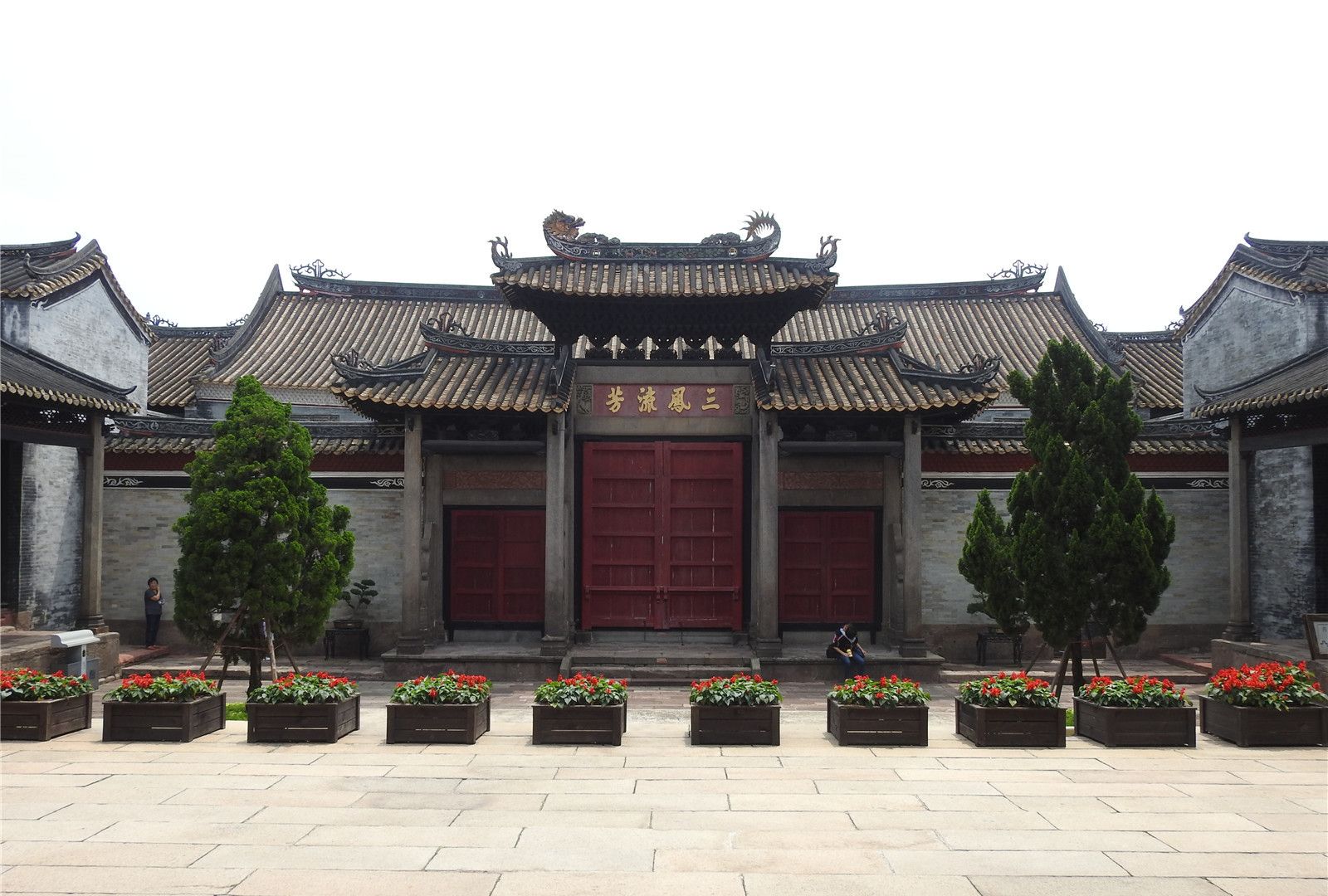
The He clan hall: five courtyards deep on 112 columns, with ceramic ridge figures and Kangxi-era expansions — one of Lingnan's great halls.
Sannian Hall & Music Clubs
The hall where Shawan's 'private clubs' refined Cantonese music; the He masters' scores were first played in courtyards like this.
Ming Oyster-Shell Wall
A surviving wall built of oyster shells packed in mud — delta architecture at its most literal, five centuries old.
Wenfeng Pagoda View
Climb the riverside study pagoda for the town's roofscape — grey tiles stepping down toward the water.
'Floating Colour' Parade (Lunar Mar 3)
Children in opera costume glide above the crowd on hidden arms — the national-heritage spectacle that fills the town each spring.
Anning West Street Food Lane
Ginger milk pudding, fish-skin dumplings and old-bakery smells — the town's edible half.
Photo Gallery
Comments