 Travel in China
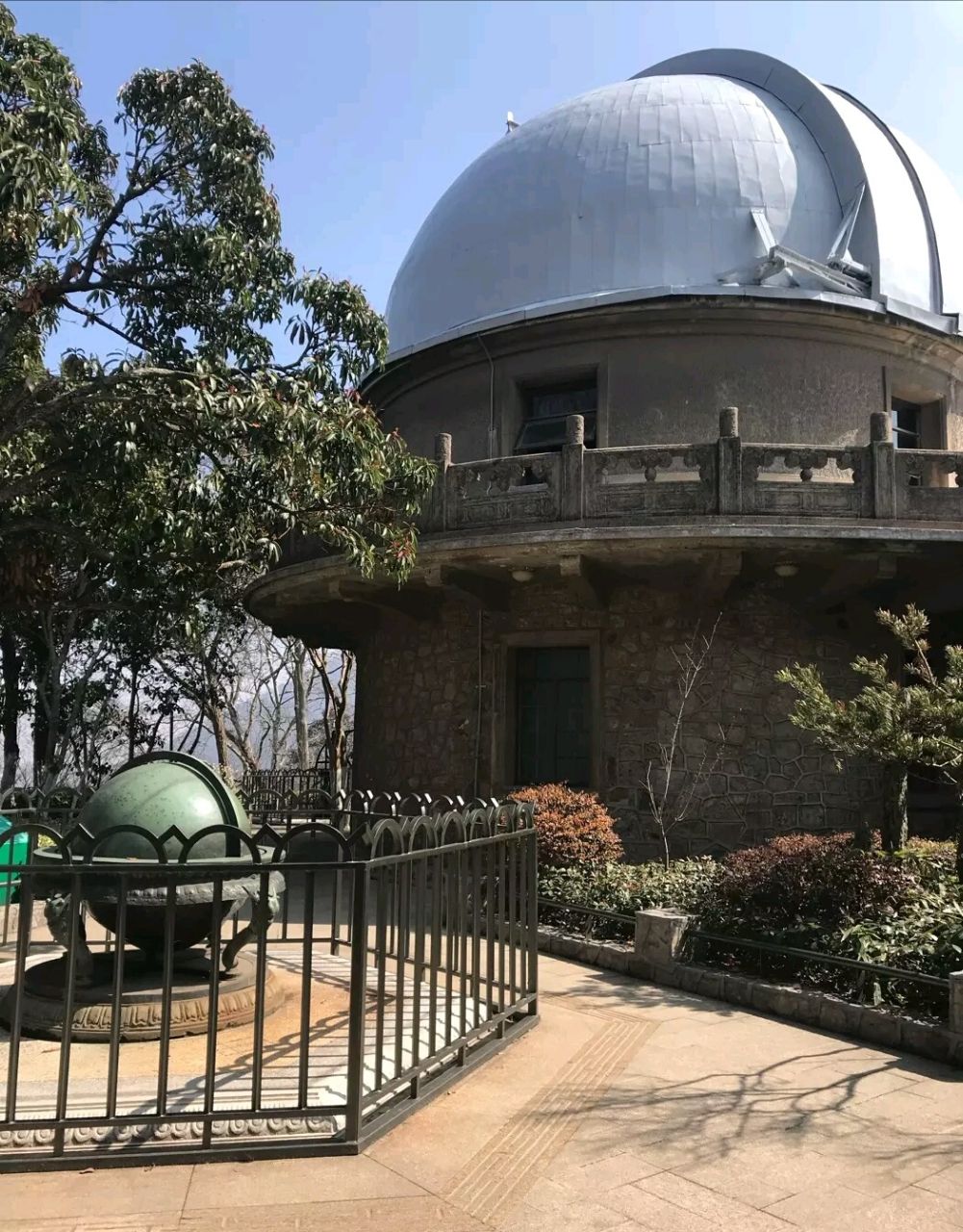
Purple Mountain Observatory — the 1929–34 national observatory of Republican China on its forest ridge, where Ming-Qing bronze instruments seized to Europe in 1900 and returned in 1921 now stand beside stone telescope domes and a Qing fort's 360-degree panorama.
Dive deeper: full travel guide · transport & map · where to stay & book
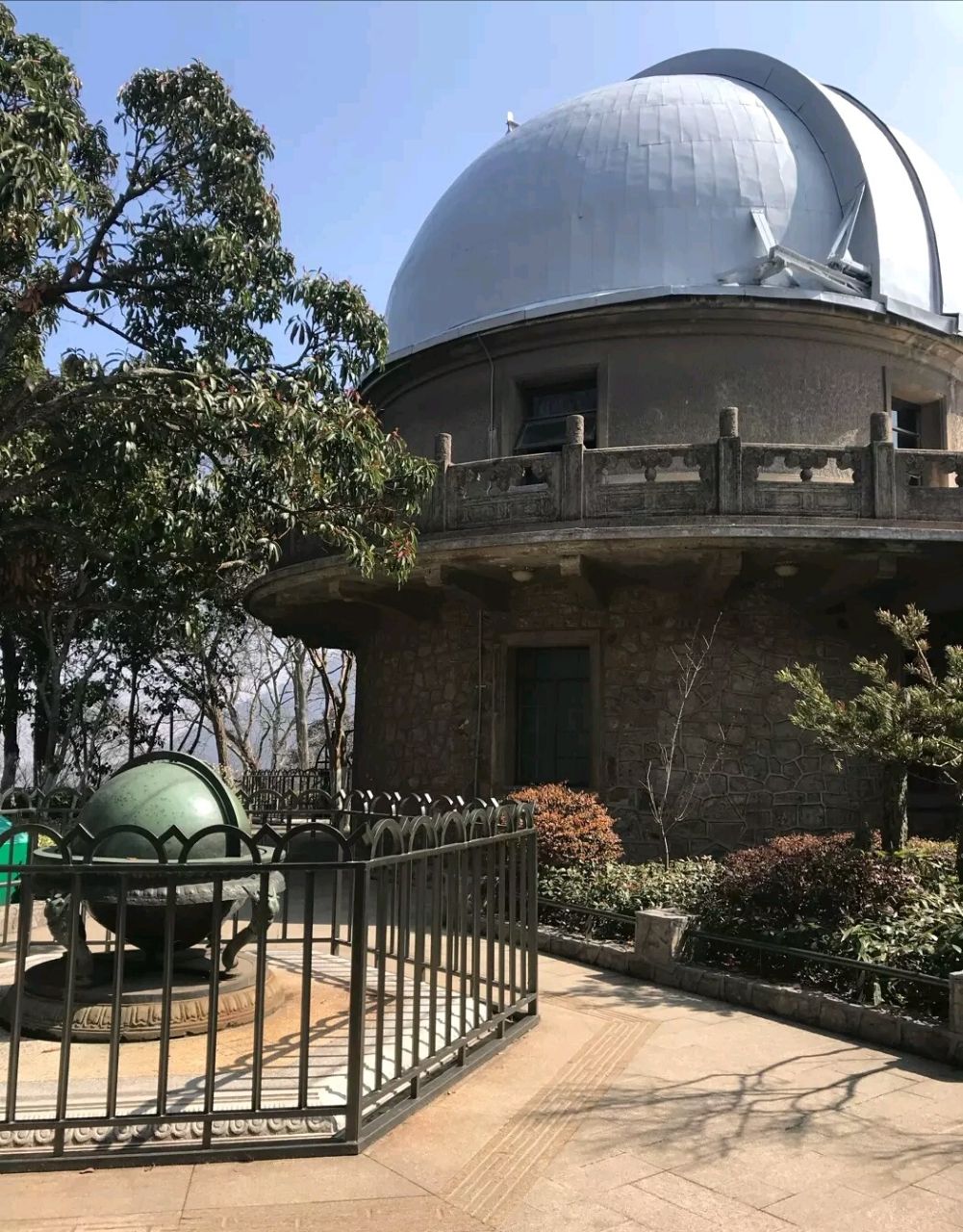
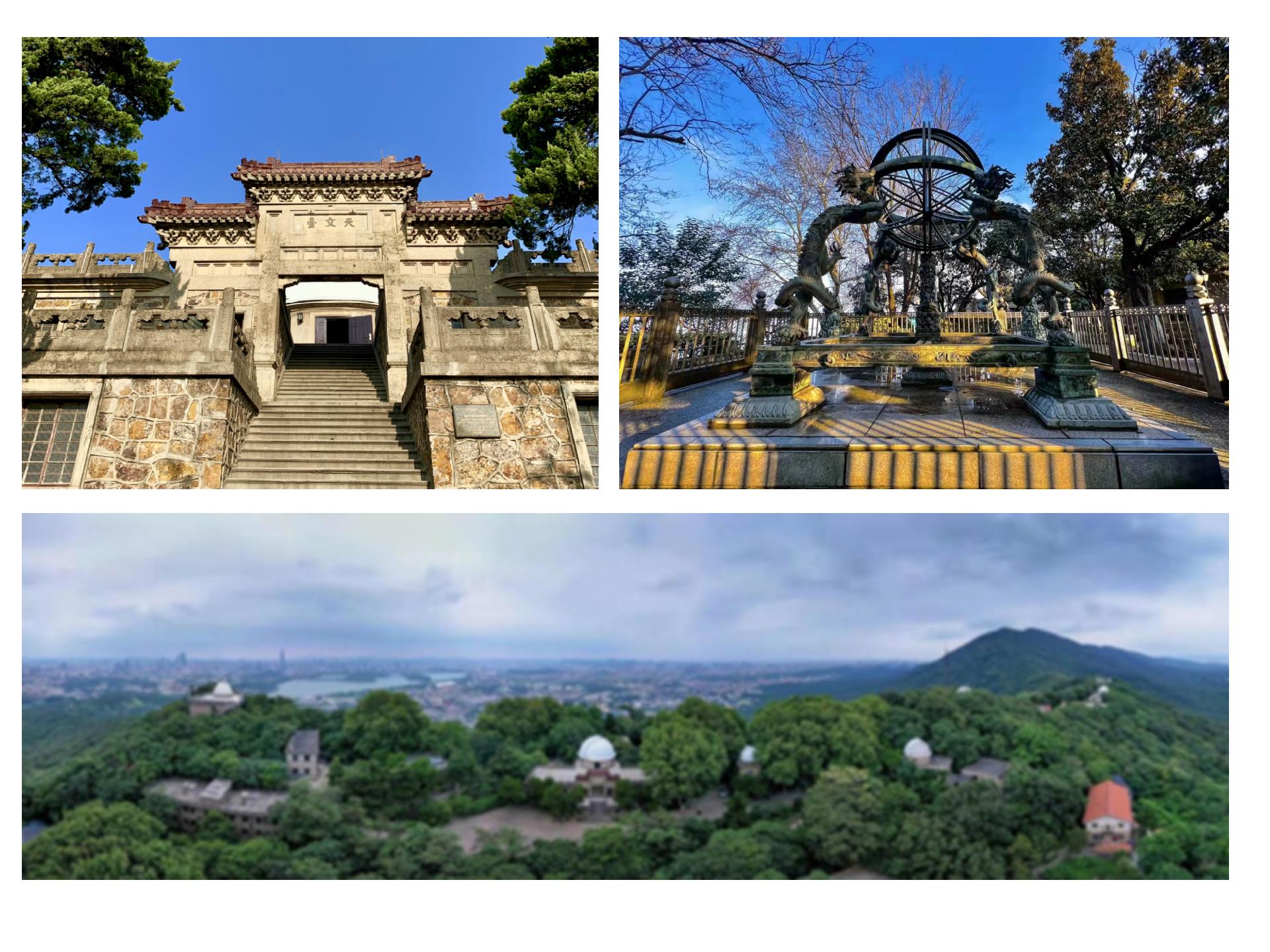
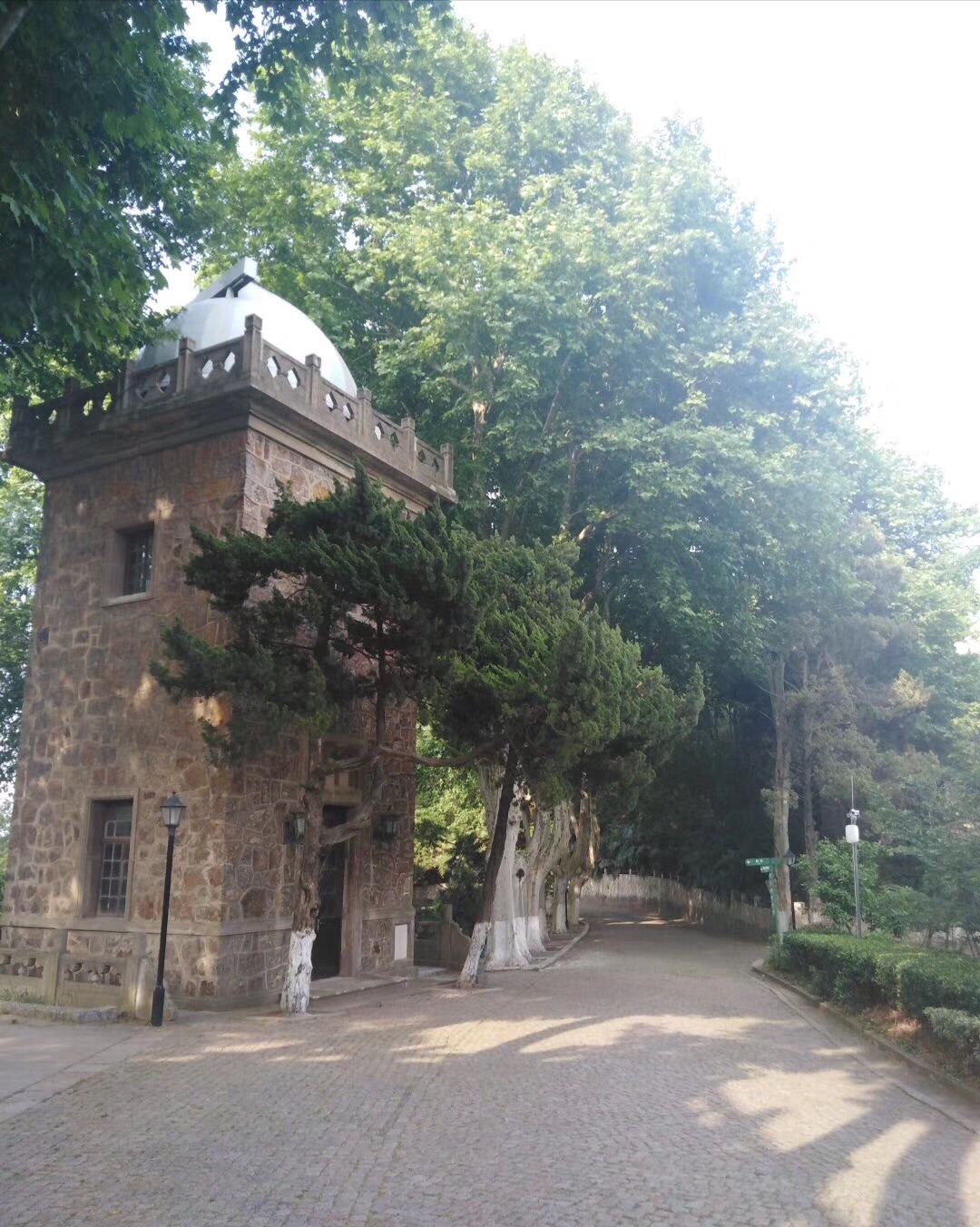
At 267 metres on Purple Mountain's western ridge sits the former main campus of Purple Mountain Observatory, founded in 1929–34 as the national astronomical institute of Republican China — today a protected heritage site and public astronomy museum, while the active research institute itself long since moved down to the city campus. Its stone-domed buildings in classical-revival style, designed by Yu Shoukang with Yang Tingbao, are listed among China's First 20th-Century Architectural Heritage, and the site holds a place among China's first ten science-tourism bases as a national popular-science education base.
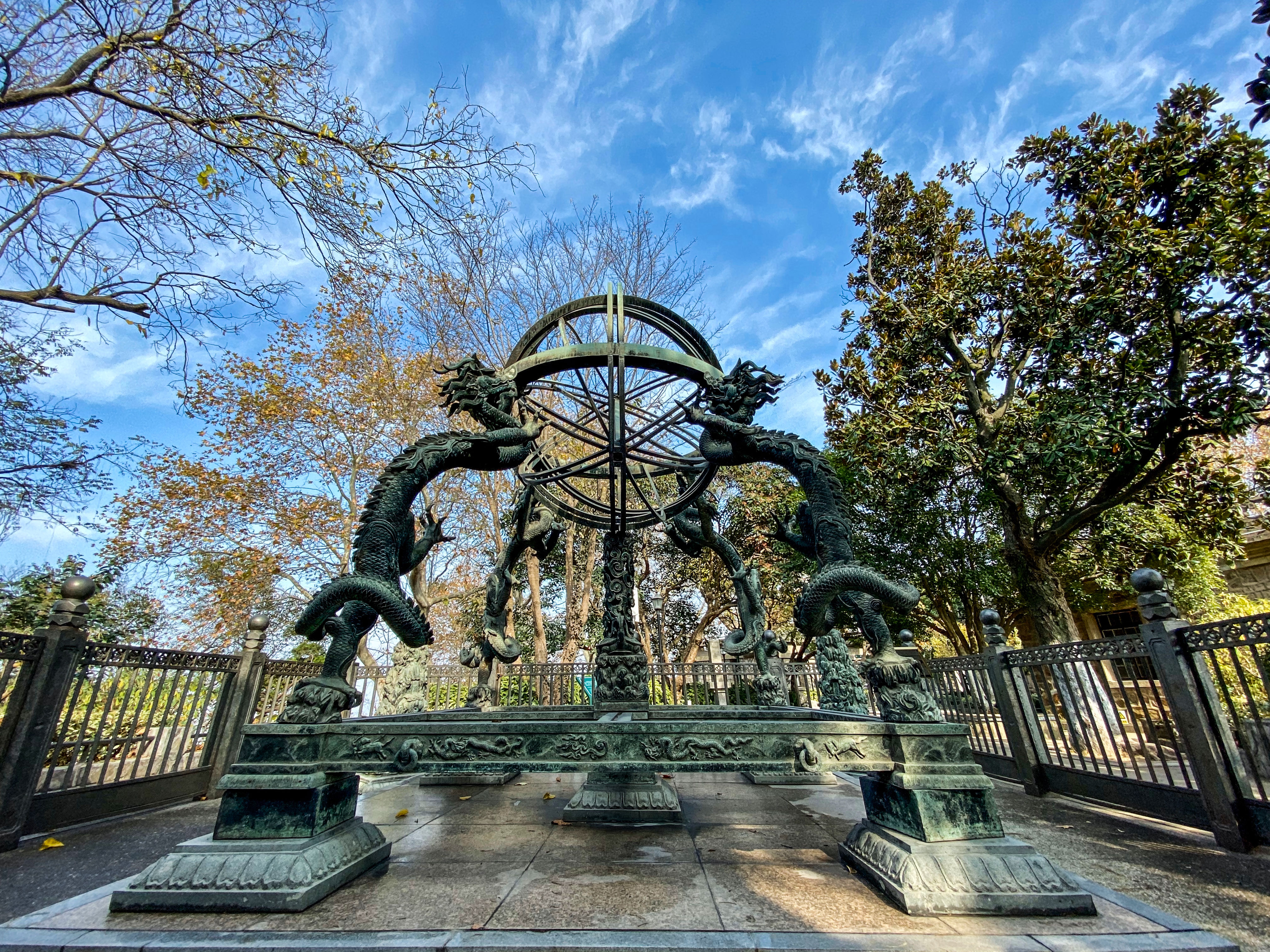
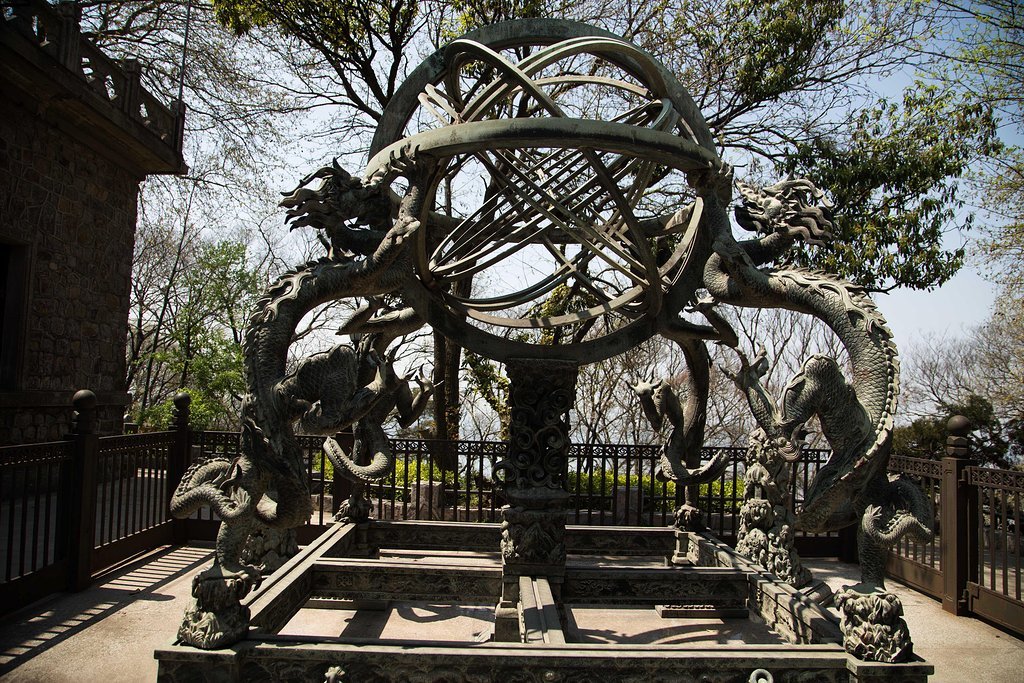
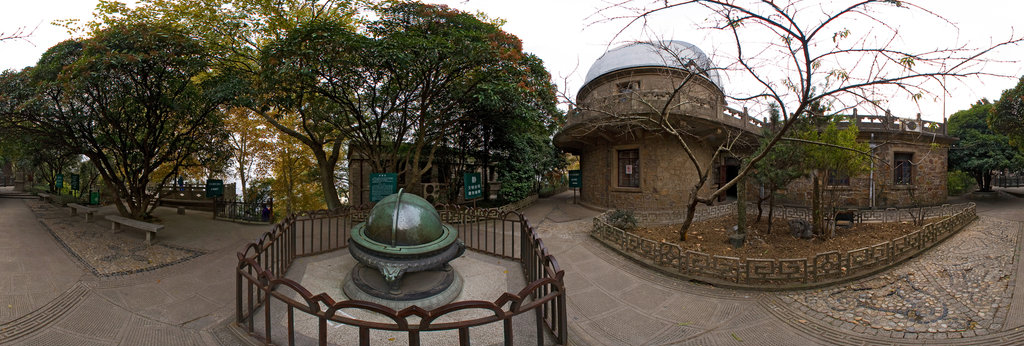
The star attractions are the antique instruments. Alongside the 1934 main dome and its 60 cm reflecting telescope — China's first large modern research telescope — stand the Ming-Qing bronze instruments seized to Europe in 1900 and returned in 1921: the armillary sphere (a 1437 copy of Guo Shoujing's original), the simplified armillary, the quadrant, and the spectacular celestial globe inlaid with 1,400-plus stars and the equator, ecliptic and meridian rings. A meteorite hall lets visitors lay a hand on iron billions of years old, and paths lead up past the old meridian room to Tianbaocheng — a 19th-century Qing fort platform whose 360-degree panorama takes in Xuanwu Lake, the Ming wall, the city skyline and, on clear days, the Yangtze.
Most visitors arrive by the Purple Mountain cableway, an aerial lift through the canopy from the mountain's west foot, or the scenic shuttle from Baima Park. Museum entry costs CNY 15 (CNY 8 for students and minors; a combined museum-plus-cable-car-return ticket runs CNY 105), and autumn and winter clear days give the best light over the city below. Allow 2–3 hours for the museum, meteorite hall and fort viewpoint — more if you ride the cable car and walk the summit trails toward the 448-metre main peak, which towers just above.
Highlights
Ming-Qing Bronze Instruments
The returned 1441-cast armillary sphere, celestial globe with 1,400+ pearl stars, quadrant and gnomon — Beijing's ancient observatory siblings, rescued from the Eight-Nation lootings.
Historic Telescope Domes
The 1934 main dome and the 60 cm reflector (China's first large modern research telescope) with exhibits on the observatory's Republican-era founding by Yu Shoukang.
Meteorite Hall
A dedicated gallery of meteorites including Chinese falls, where you can touch an iron meteorite billions of years old.
Tianbaocheng Fort Panorama
A Qing-era fort terrace at the top of the path with uninterrupted views: Xuanwu Lake, the Ming wall, the city skyline, and on clear days the Yangtze.
Cable-Car Arrival
The Purple Mountain cableway swings over the forest to the observatory stop — an arrival nearly as famous as the museum itself.
Science-Tourism Pedigree
One of China's 'First Ten Science Tourism Bases' and a 20th-century architectural heritage site — plaques and exhibits document its 1930s role as China's national observatory.
Photo Gallery
Comments