 Travel in China
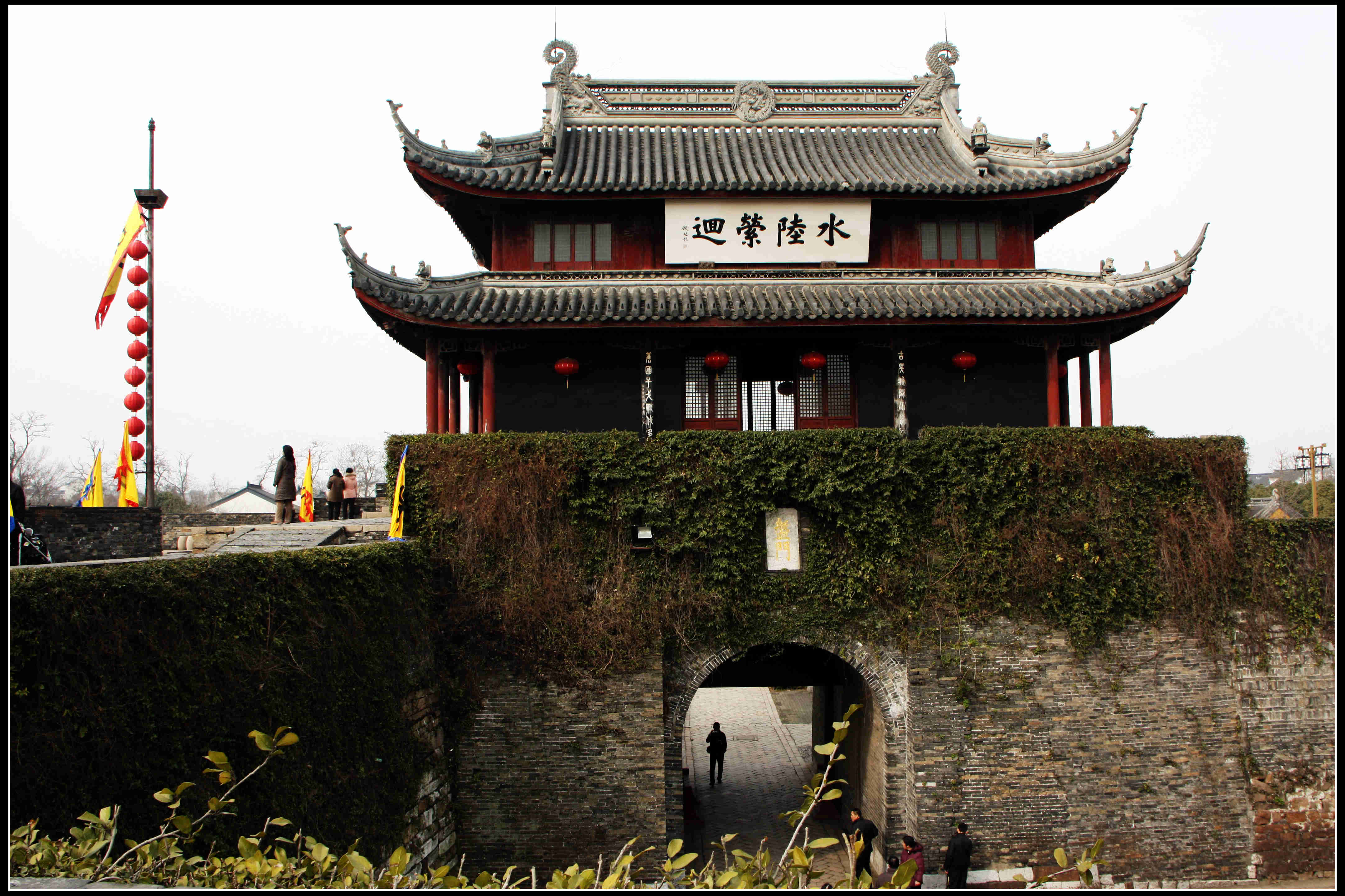
Panmen Gate — the only place in China where land and water city gates survive side by side: Yuan-dynasty towers over the Grand Canal, a Song pagoda and Jiangsu's tallest stone arch bridge in one 24.8-hectare scenic area.
Dive deeper: full travel guide · transport & map · where to stay & book
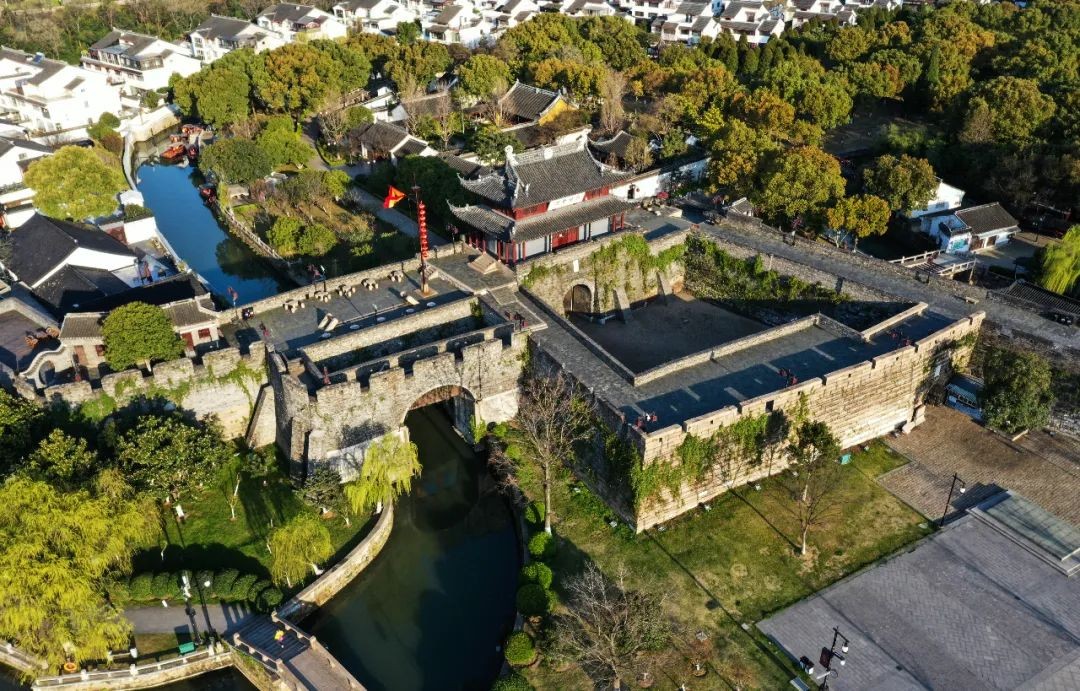
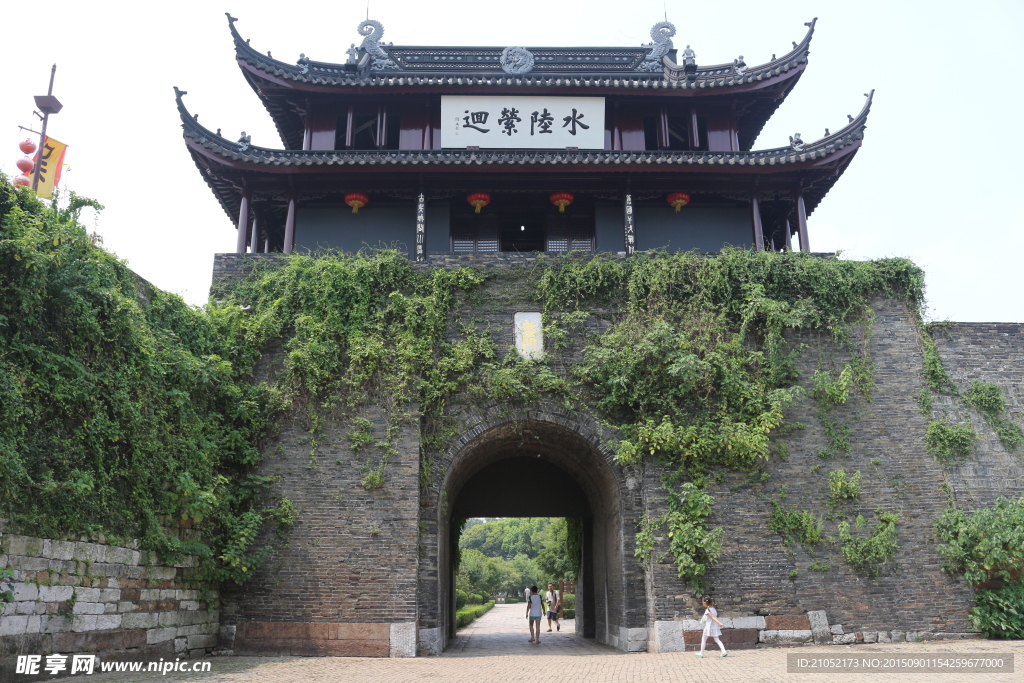
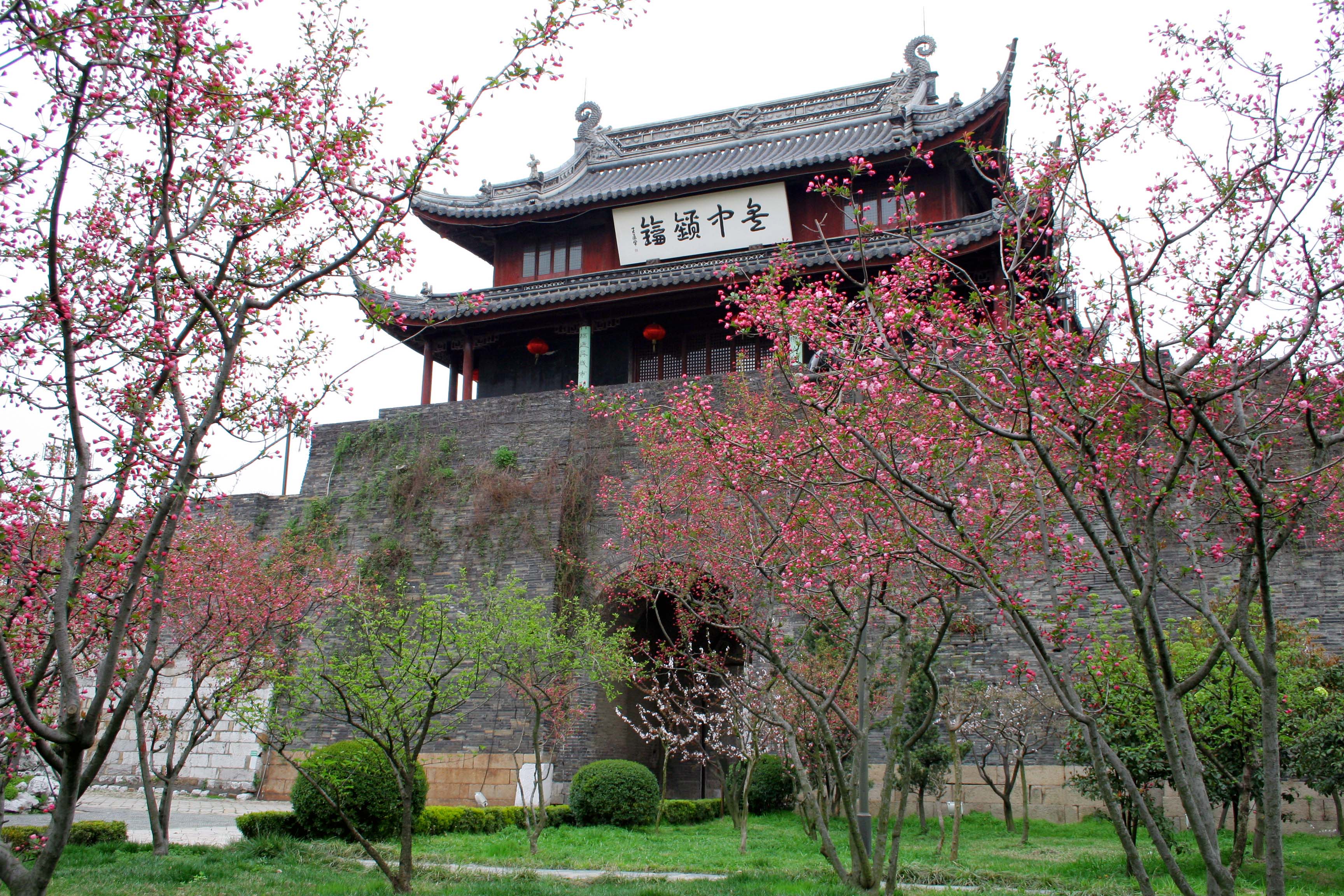
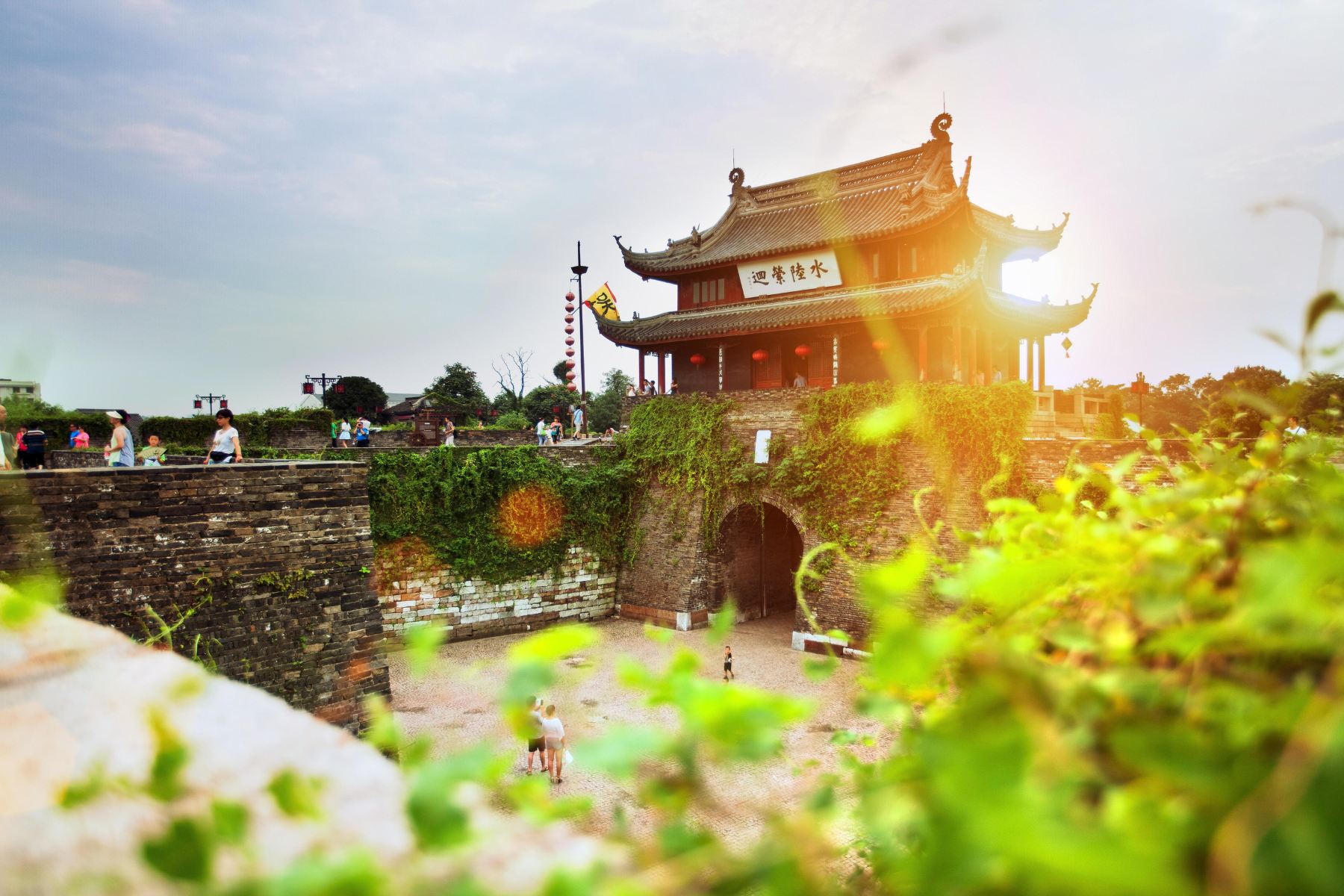
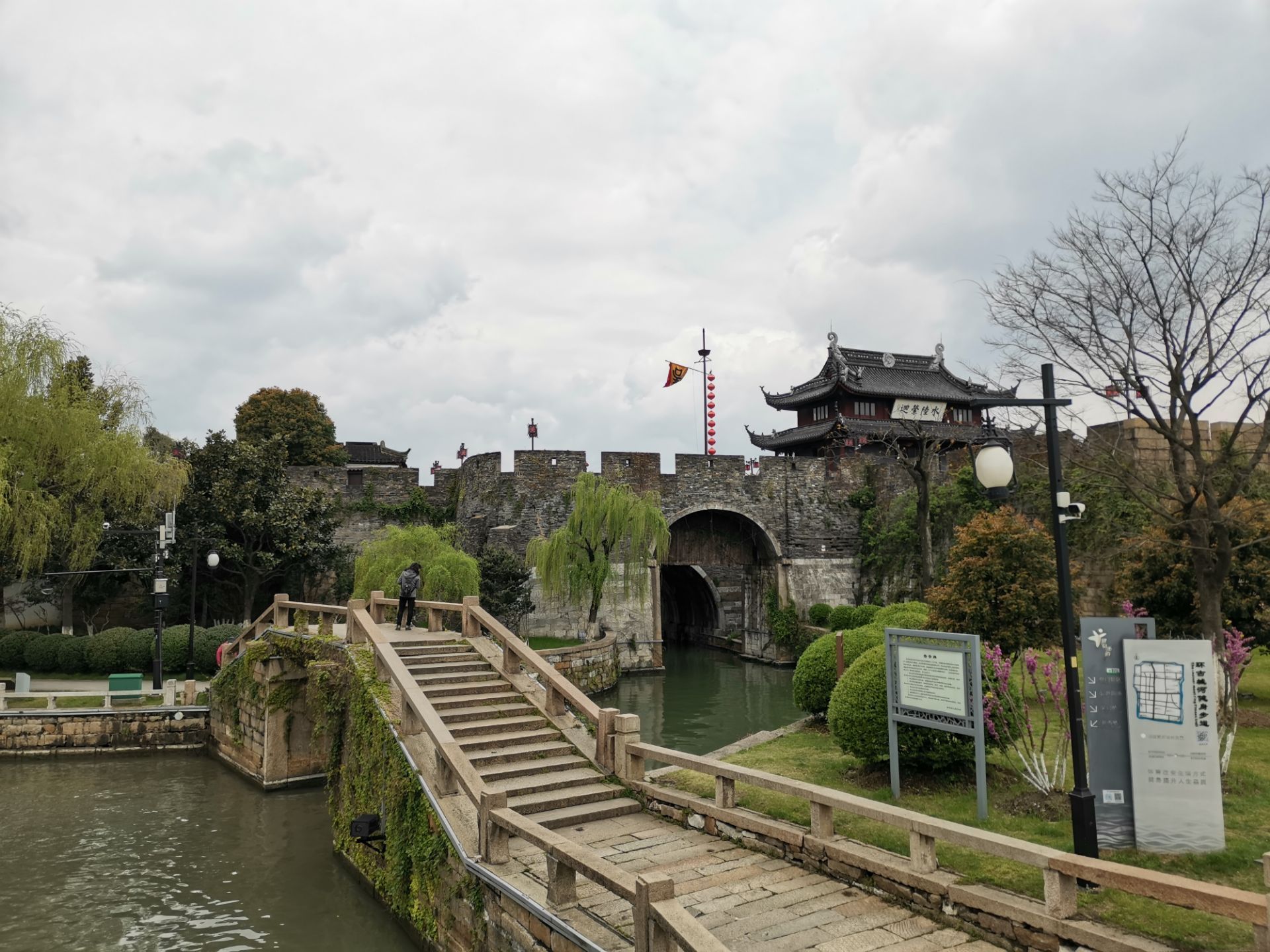
At the south-west corner of Suzhou's ancient city wall stands the only place in China where a land gate and a water gate survive side by side, joined by an imposing barbican. First raised in 514 BC when Wu minister Wu Zixu built the 'Helü Great City' with eight land-and-water gates, Panmen's present gate towers date largely from Yuan-dynasty rebuilding of 1355, with Qing restorations — and the massive arched water gate beneath the wall still channels the old Grand Canal through the city, admitting boats exactly as in the 14th century. The surrounding 24.8-hectare scenic area weaves together the 'Three Scenes of Panmen': the twin gates themselves, the Ruiguang Pagoda and Wumen Bridge — all three National Key Cultural Heritage sites.
The other two scenes crown the ensemble. Ruiguang Pagoda, a seven-storey Song-dynasty brick-and-timber pagoda about 43 metres tall, was begun in 247 AD by order of Sun Quan and rebuilt in 1009; in 1978 three schoolchildren exploring the tower discovered the 'Pearl Relic Shrine', a Northern Song treasure of 40,000 pearls now in Suzhou Museum. Wumen Bridge, rebuilt in 1872, is Jiangsu's tallest single-arch stone bridge (66.3 m long, 9.85 m rise); from its crest you get the classic three-in-one photograph of bridge, gate and pagoda. A substantial stretch of wall is walkable, with cannon embrasures overlooking the water gate, and the quiet Wu Xiangci shrine remembers Wu Zixu, the statesman-general who designed the original 514 BC city.
Today the scenic area opens daily 08:30–16:00 (day entry ¥40; pagoda climbing ¥6 extra; concessions ¥20 for students and seniors, free for children under 1.2 m and seniors 70+). After dark it transforms: lantern-lit night tours — 'moon-themed' evening pageants with a projection-mapped light show on Ruiguang Pagoda, costume rental, floating water lanterns and NPC interaction — run on scheduled evenings, with summer bringing fire-dance shows on the water and 'Ruiguang Night Tales' performances. Metro Lines 4/5 reach Nanmen Station, a 12–15 minute walk. Plan 2.5–3 hours by day; 3–4 with the night tour, and weekday mornings or late afternoon for the calmest wall walk.
Highlights
Land-and-Water Twin Gates
The only complete surviving paired land and water gate in China, with an inner barbican (wengcheng) built to trap attackers; the water gate's stone arch still admits canal boats exactly as in the 14th century.
Ruiguang Pagoda
Seven storeys and about 43 metres, its brick core dating to 1009 AD; in 1978 three schoolchildren exploring the tower discovered the 'Pearl Relic Shrine', a Northern Song treasure of 40,000 pearls now in Suzhou Museum.
Wumen Bridge
Jiangsu's tallest single-arch stone bridge (66.3 m long, 9.85 m rise), rebuilt 1872 across the moat; from its crest you get the classic three-in-one photo of bridge, gate and pagoda.
Wall Walk & Barbican
A substantial stretch of city wall is walkable, with cannon embrasures overlooking the water gate — the best vantage over the canal, ancient bridges and boats locking through.
Wu Xiangci (Wu Zixu Shrine)
A quiet memorial hall to Wu Zixu, the 6th-century BC statesman-general who designed the original 514 BC city, with garden courtyards and latticed corridors.
Night Tour & Pagoda Light Show
After dark, the scenic area runs lantern-lit night tours with a projection show mapped onto Ruiguang Pagoda, costume rental and floating water lanterns — Suzhou's most photogenic night pageant outside the gardens.
Photo Gallery
Comments