 Travel in China
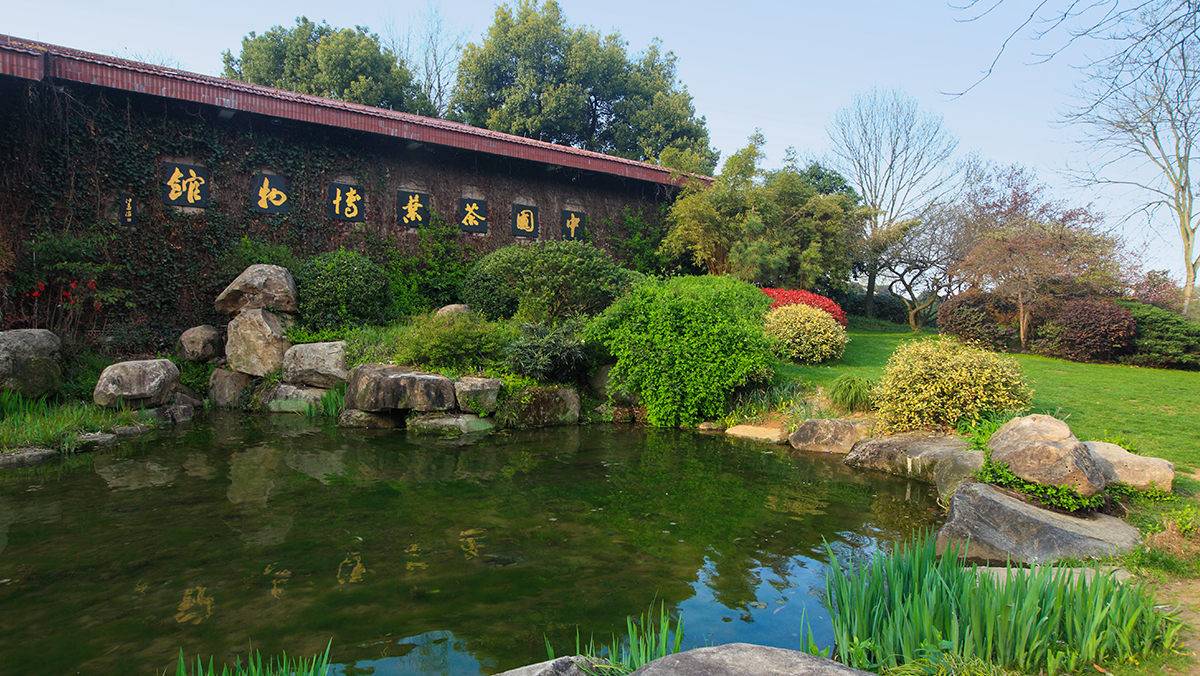
Two campuses, two stories — Shuangfeng for the history and the tasting sessions, Longjing for the world tour and the UNESCO display — threaded together by the tea lanes of the hills, with Longjing village as the natural third stop.
Suggested Itinerary
- 1.5-2 hours — Shuangfeng Deep Dive
Garden gate → tea-history halls → a tasting session by the stream (¥10-30) → the living terraces and Jiamu varietal garden behind the halls. The classic single-campus visit. - Half day — Both Campuses & Longjing Village
Shuangfeng in the morning, bus 27 over the hill (about 10 minutes) to the Longjing campus's world-tea courtyards and UNESCO display, then walk the tea lanes down to Longjing village's Eighteen Imperial Tea Trees.
What to See
Shuangfeng Campus Entrance
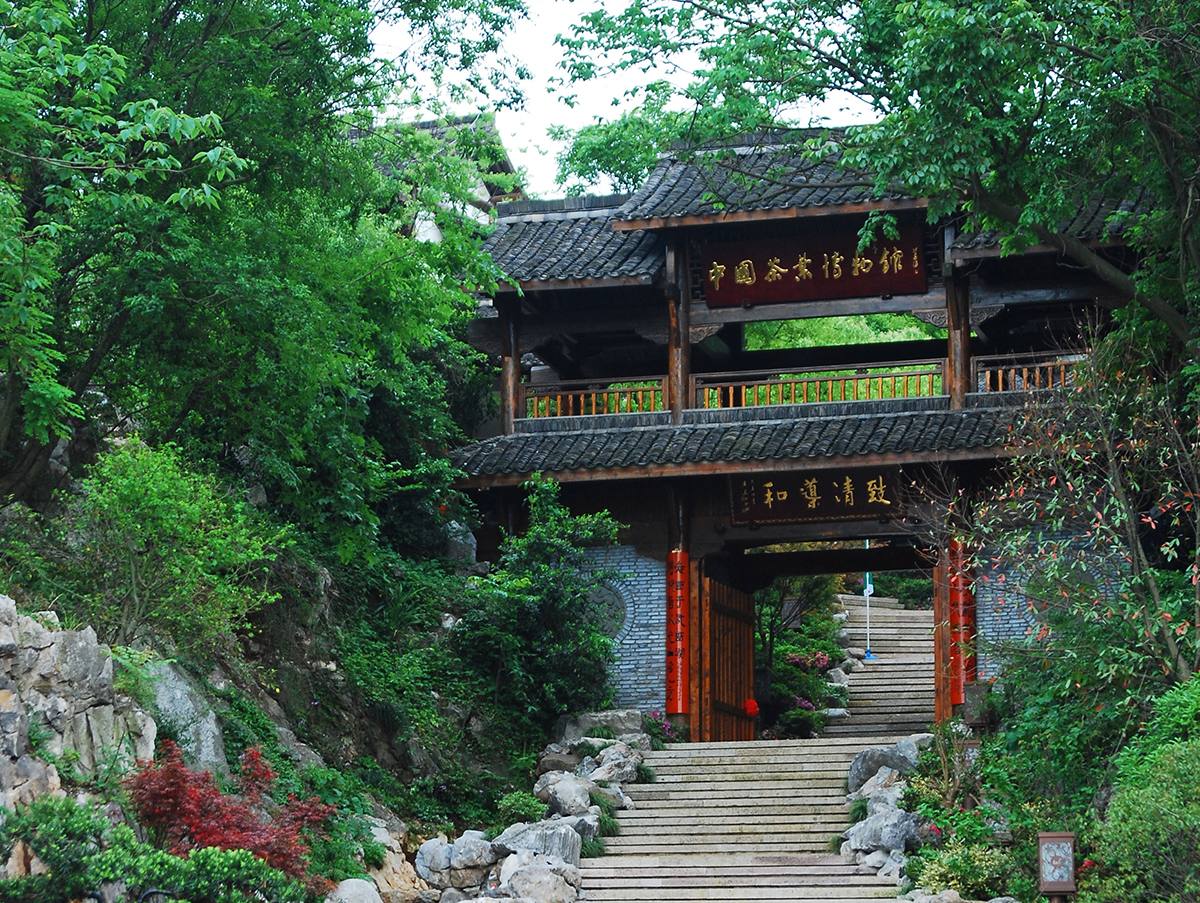
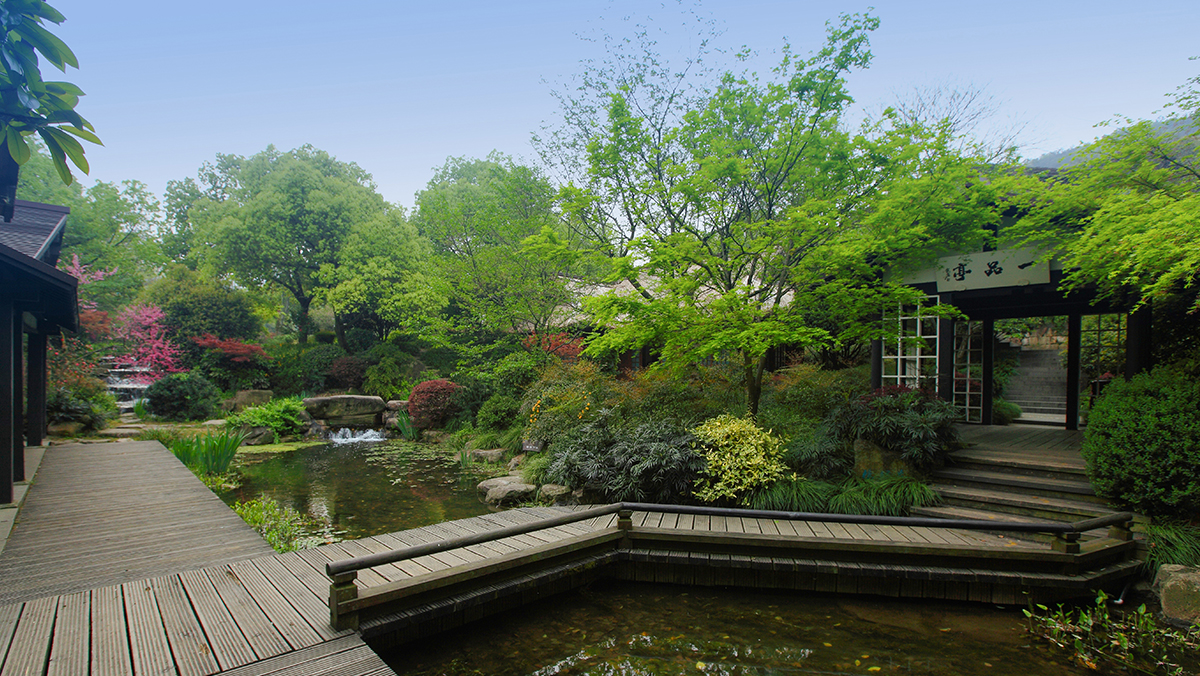
Garden gate and visitor centre at 88 Longjing Road — the start of the classic tea-country visit.
Tea History Exhibition Halls
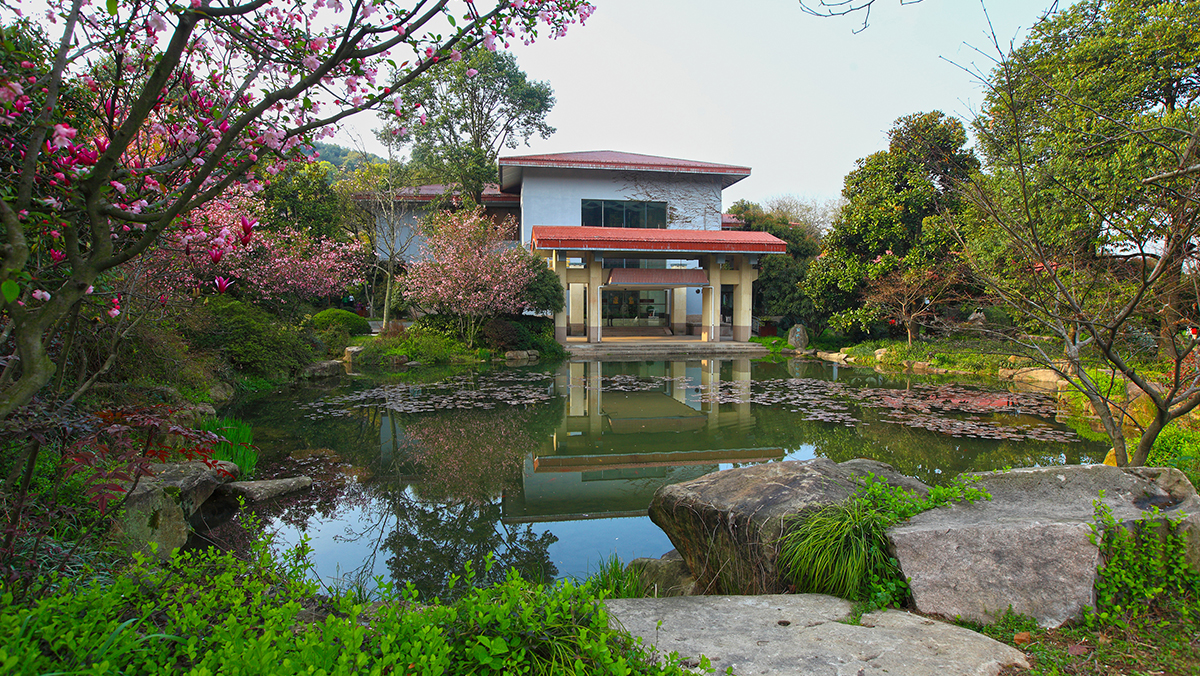
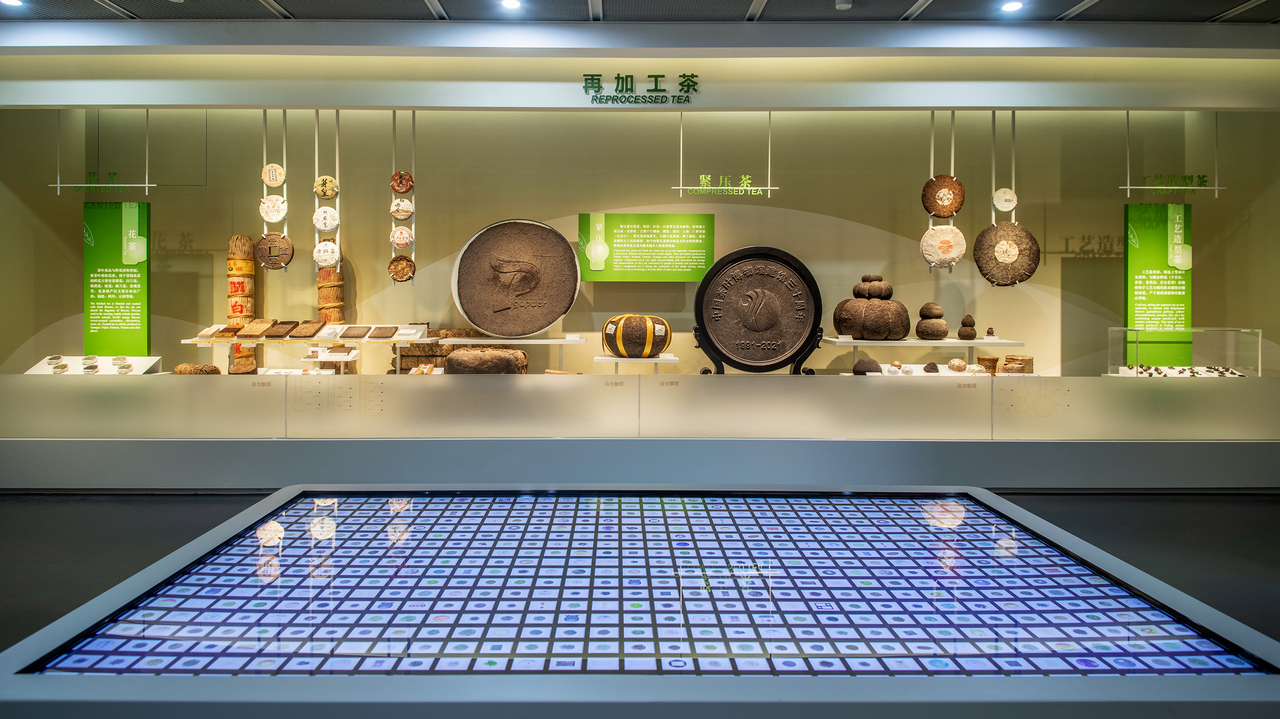
Main display halls on Chinese tea history, West Lake Longjing and donated teawares, re-hung after the 2022-2023 renovation.
Museum Tea Terraces
The campus's own Longjing rows climbing the slope behind the halls — free to walk, with pickers at work in April.
Longjing Campus (Wengjiashan)
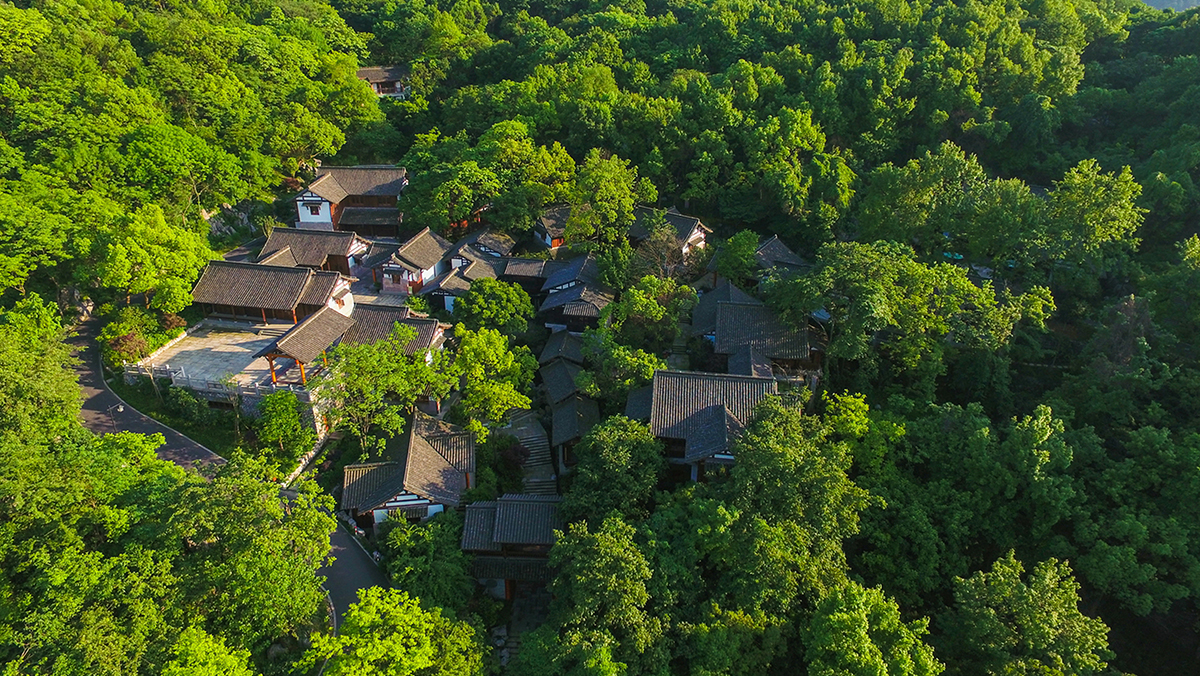
The world-tea hillside campus at 268 Wengjiashan, 2.5 km southeast — 7.7 hectares of courtyards circling the globe's tea customs.
UNESCO Heritage Display
China's traditional tea-processing skills and customs, inscribed by UNESCO in 2022, across 44 regional techniques — at the Longjing campus.
Longjing Village (nearby)
Classic tea village with the Eighteen Imperial Tea Trees, pairing naturally with the museum — a 20-25-minute walk or a short bus hop.
Photo Gallery
Tips from Real Travelers
Food & Drink
Tea-Tasting Sessions
In-hall brewing sessions serve Longjing and other teas with instruction, roughly ¥10-30 per sitting — the tasting that defines the visit.
Longjing Village Farmhouse Tables
The tea village's farmhouse restaurants serve tea-country dishes — tea-flavoured eggs, spring bamboo and river shrimp beside the rows.
Comments