 Travel in China
The only intact royal tomb of early southern China, found by accident under Xianggang Hill in 1983: seven unrobbed stone chambers of Zhao Mo, second king of Nanyue (d. c. 122 BC). CNY 10 buys the galleries with the 2,291-plaque silk-threaded jade suit and the 'Emperor Wen' gold seal; the tomb's lower chamber is a separate free ticket released at midnight. Closed Mondays. Ctrip 4.6 from 6,000+ reviews; a top Pearl River Delta essential.
Dive deeper: full travel guide · transport & map · where to stay & book
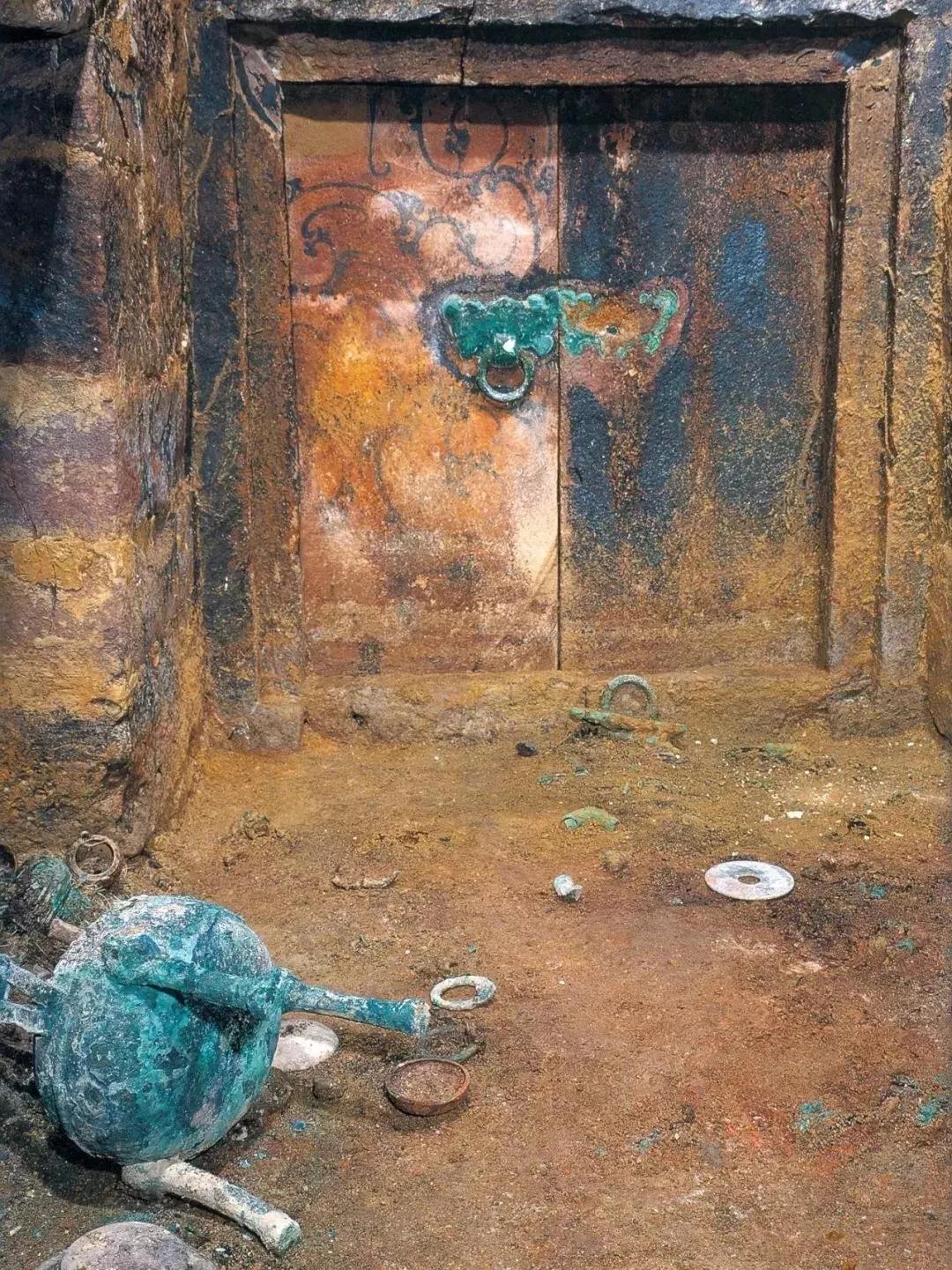
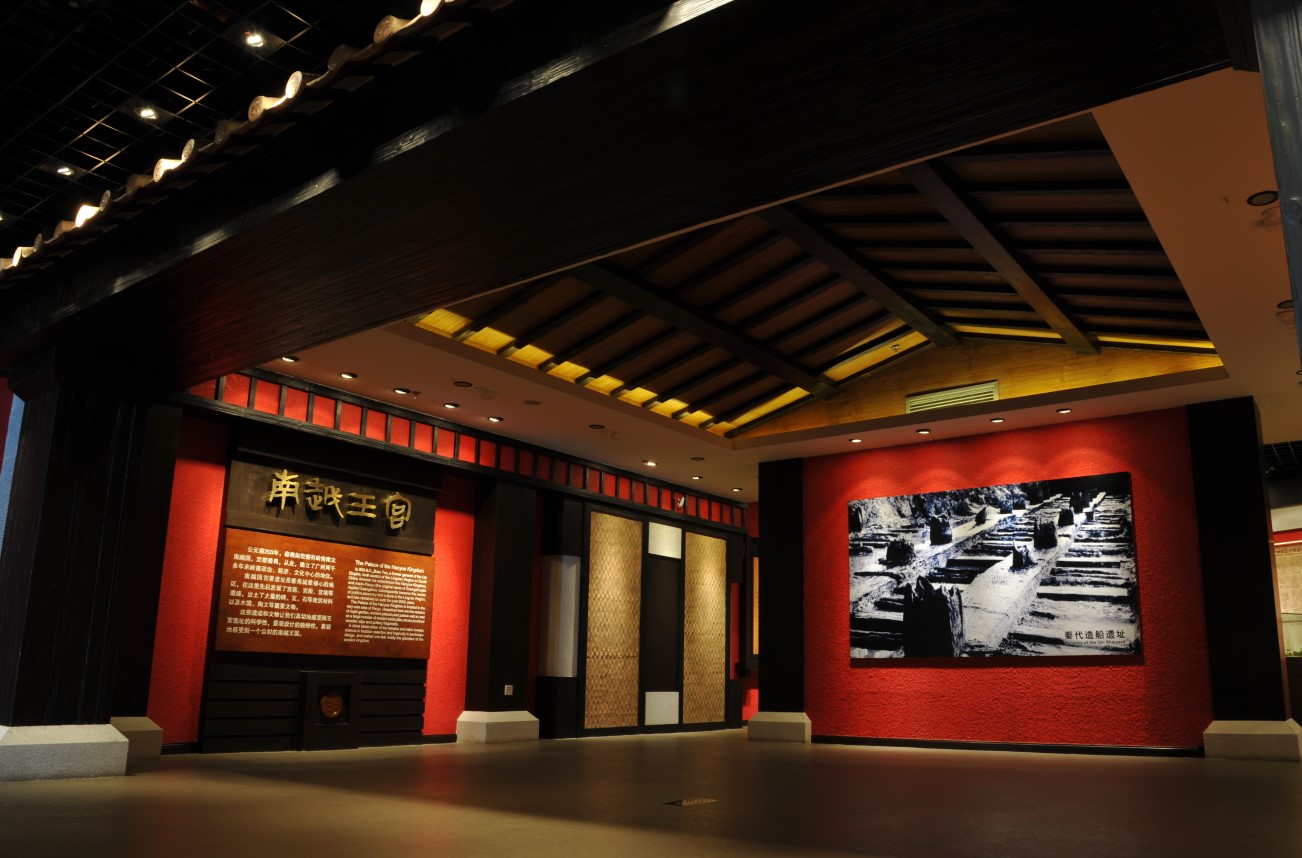
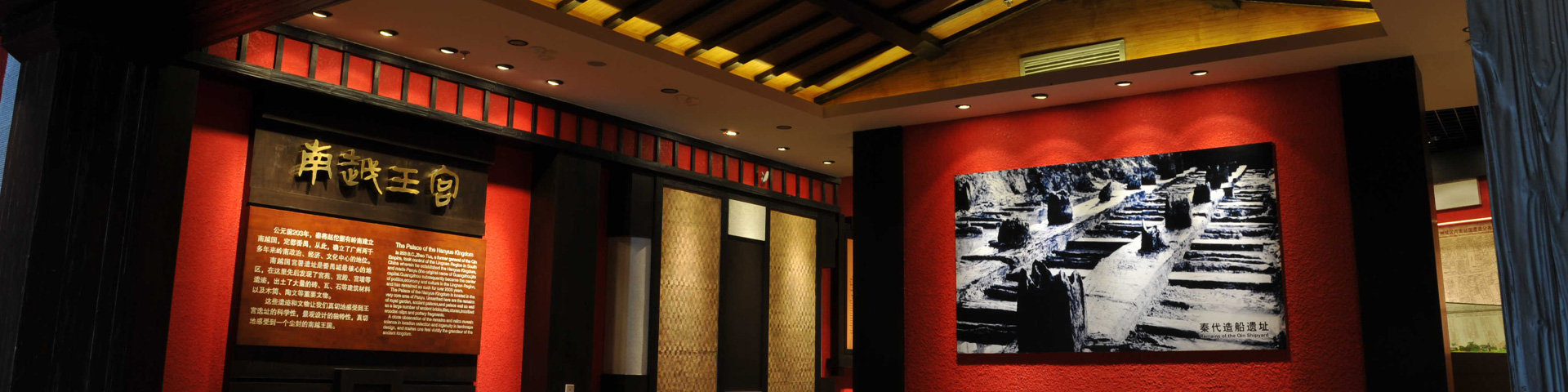
In June 1983, builders levelling Xianggang Hill for apartment blocks broke into a stone tomb that had lain sealed and unrobbed for two thousand years — the burial of Zhao Mo, the second king of Nanyue, who died around 122 BC. The tomb's seven chambers, arranged in the shape of the character 'shi', had escaped every looter, making it the most completely preserved royal tomb of the early south ever found. Over a thousand artifacts emerged with the king's body, from chariots to musical instruments to palace banqueting gear. A museum rose over the site in 1988, and in 2021 it merged with the excavated Nanyue palace and garden sites downtown to become today's Nanyue King Museum — with the King's Tomb section at the original Xianggang Hill.
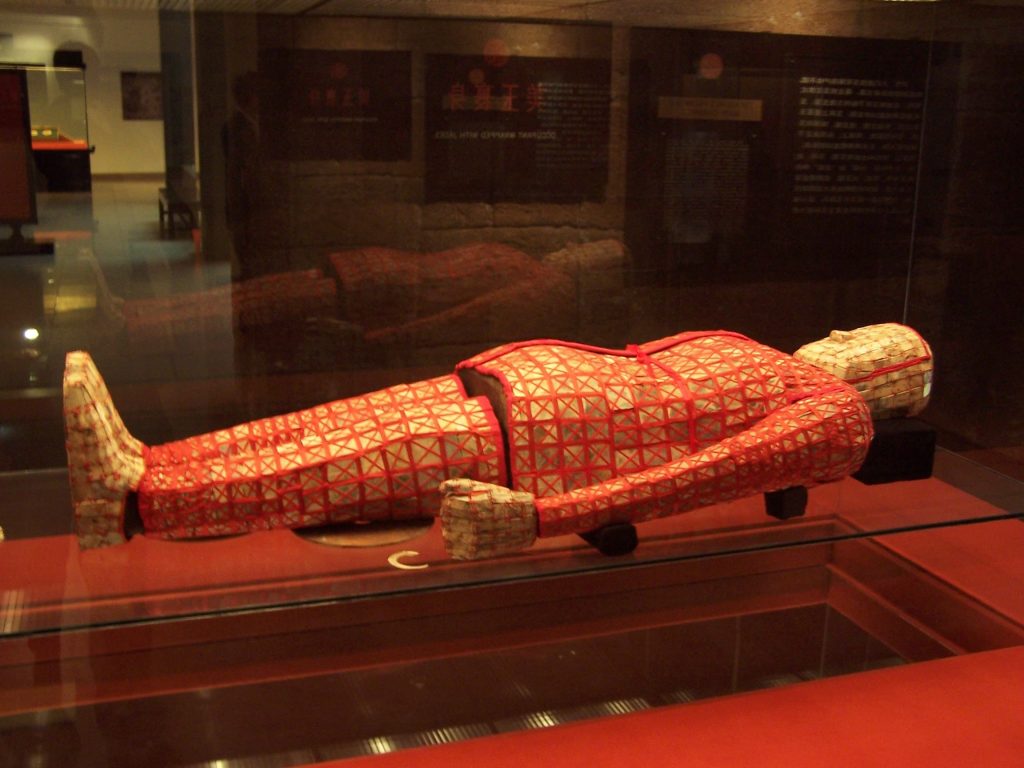
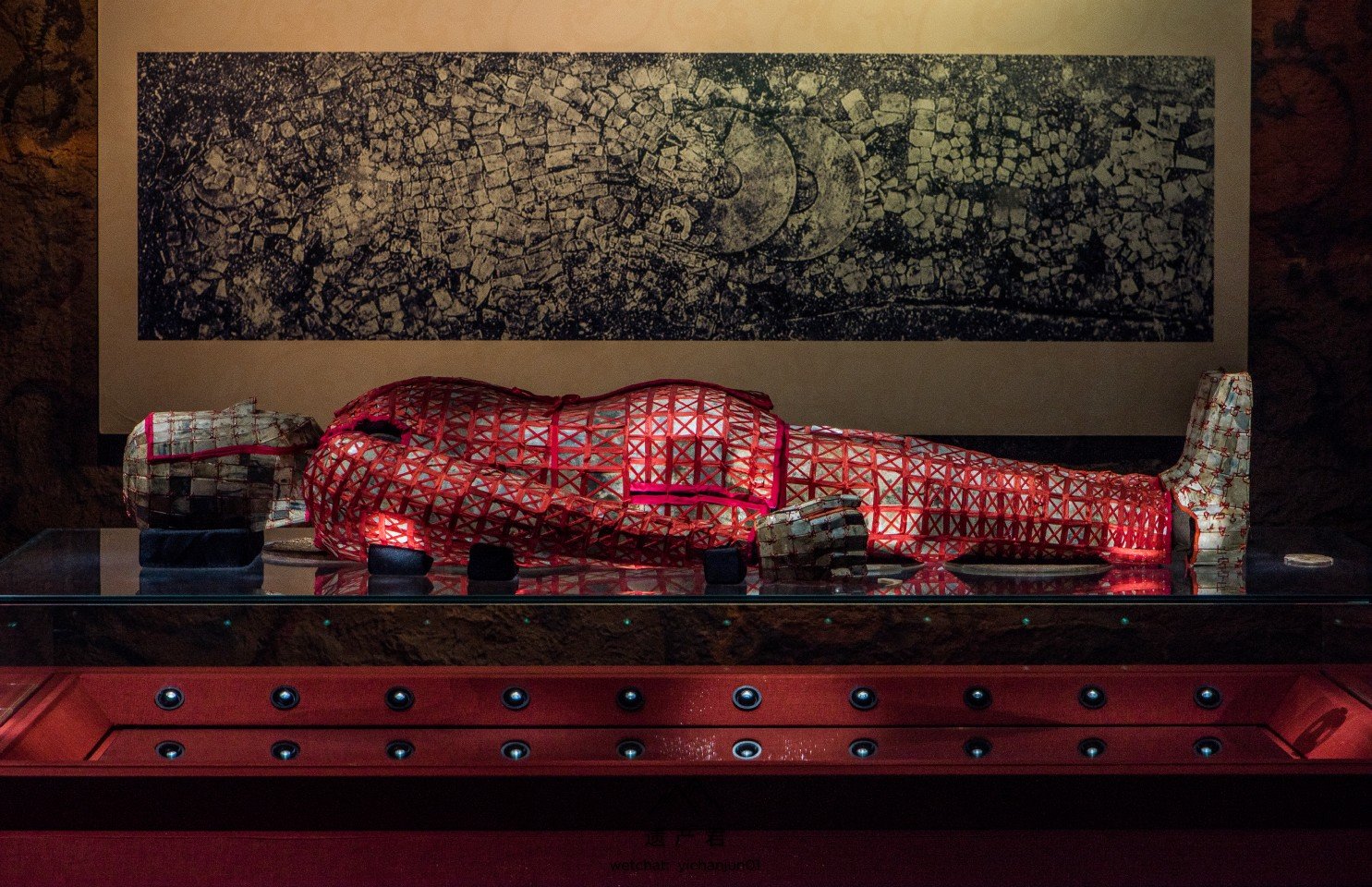
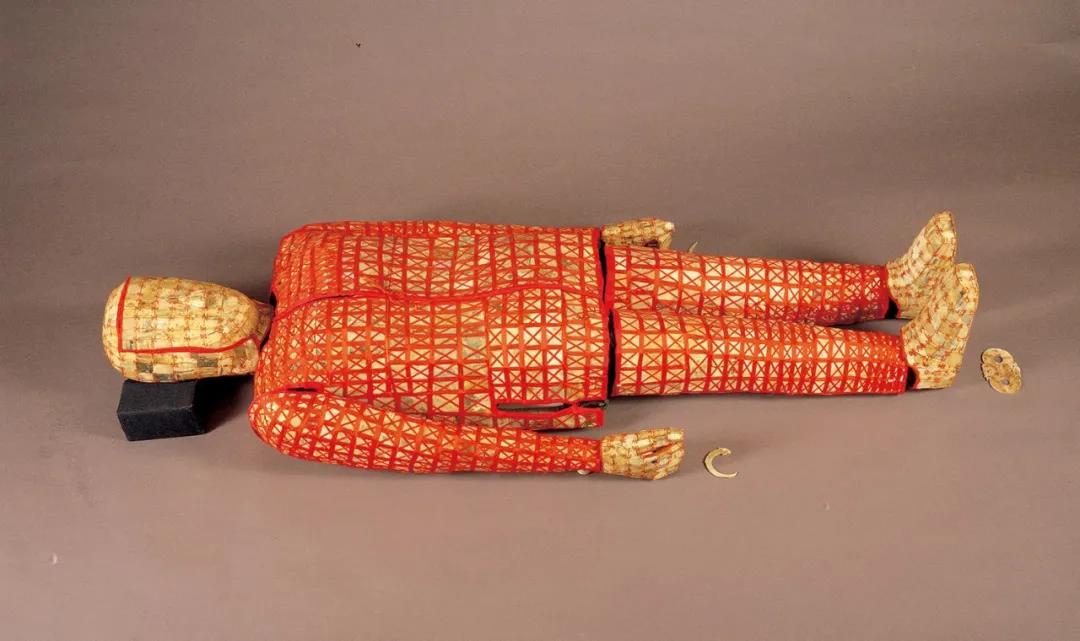
The standard route runs from the comprehensive exhibition building to the protected tomb enclosure and on to the main 'Nanyue Treasures' galleries. At the tomb, an elevated walkway looks down into the original seven stone chambers; visiting the lower level requires a separate free reservation with strictly limited daily quota. The stars need no encouragement: the silk-threaded jade burial suit of 2,291 plaques — at 1.73 metres the earliest complete jade suit found in China; the dragon-knobbed gold seal 'Wen Di Xing Xi', the executive seal of Emperor Wen and the largest gold seal of the Western Han; the rhinoceros-horn-shaped jade cup, an object barred from ever leaving the country; and the dragon-and-phoenix ring pendant that became the museum's emblem. Two hundred-plus porcelain pillows across the dynasties fill a quieter corner.
The museum's 2026 visitor guide, published on 25 December 2025, holds hours at 9:00-17:30 Tuesday to Sunday (last entry 17:00), closed Mondays — with post-holiday rotation closures on 7 April, 6 May and 8 October — and extended 18:00 closings through the winter and summer school holidays. A full ticket costs CNY 10; for foreign visitors the simplest path is walking to the ticket window with a passport. The free lower-chamber ticket is a different story: slots drop at midnight the day before and vanish within minutes, so set an alarm. Ctrip logs 4.6 stars from 6,000+ reviews, and regional guidebooks rank the tomb a top-six Pearl River Delta essential. Budget two to three hours and pair it with Yuexiu Park next door.
Highlights
The tomb in situ
Seven stone chambers under a protective enclosure, viewed from an elevated walkway above.
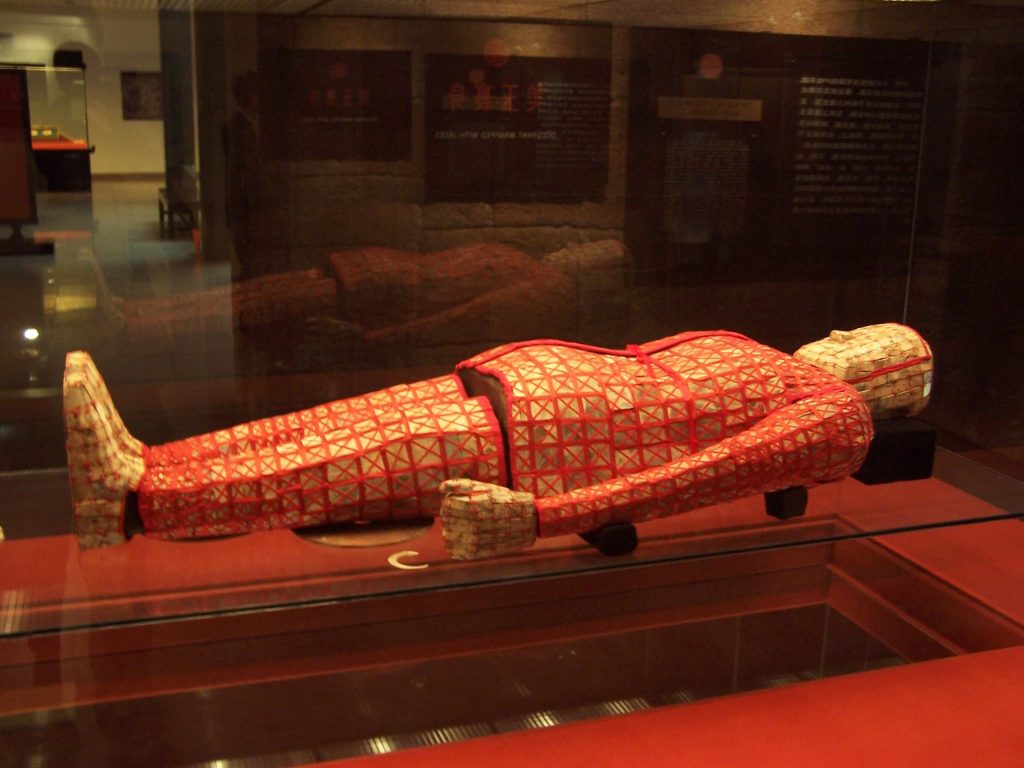
The silk-threaded jade suit
2,291 plaques on 1.73 metres — the earliest complete jade burial suit found in China.
The 'Emperor Wen' gold seal
Dragon-knobbed, the largest gold seal of the Western Han.
The horn-shaped jade cup
A masterpiece on the national no-export list, barred from ever leaving China.
Dragon-and-phoenix ring pendant
The double-ring jade disc that became the museum's emblem.
200+ porcelain pillows
Centuries of ceramic headrests gathered in one gallery.
Photo Gallery
Comments