 Travel in China
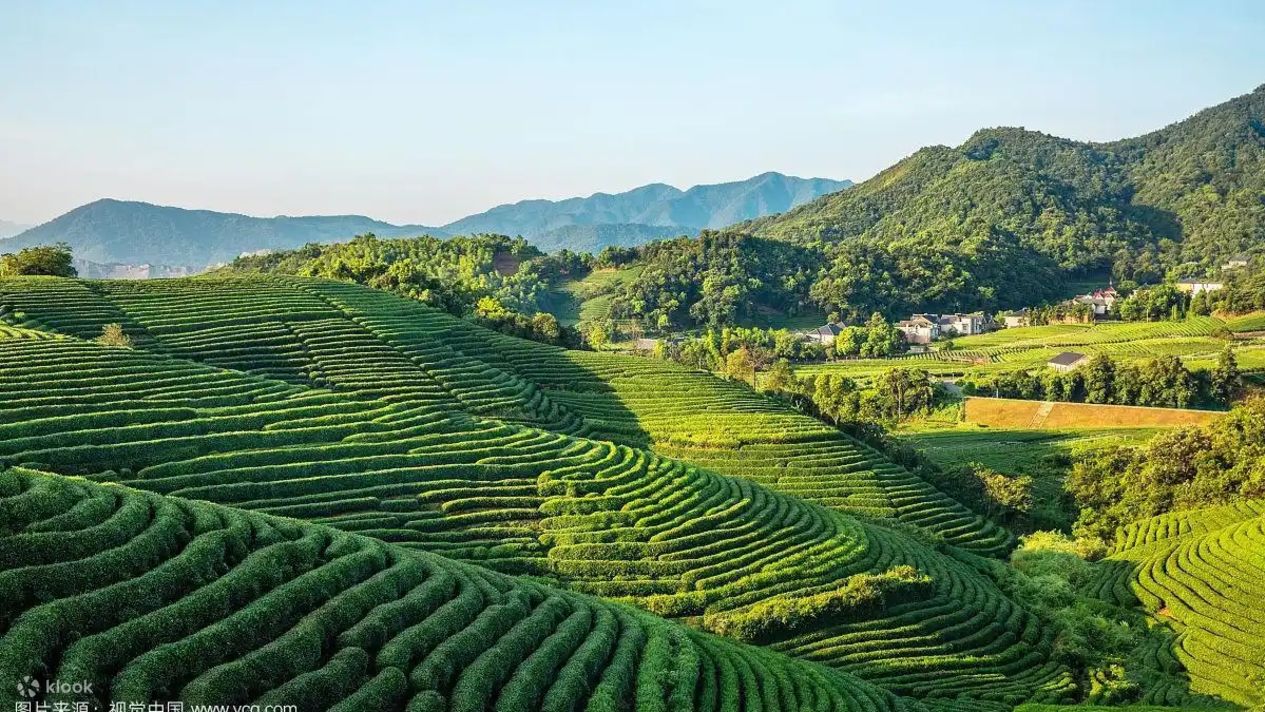
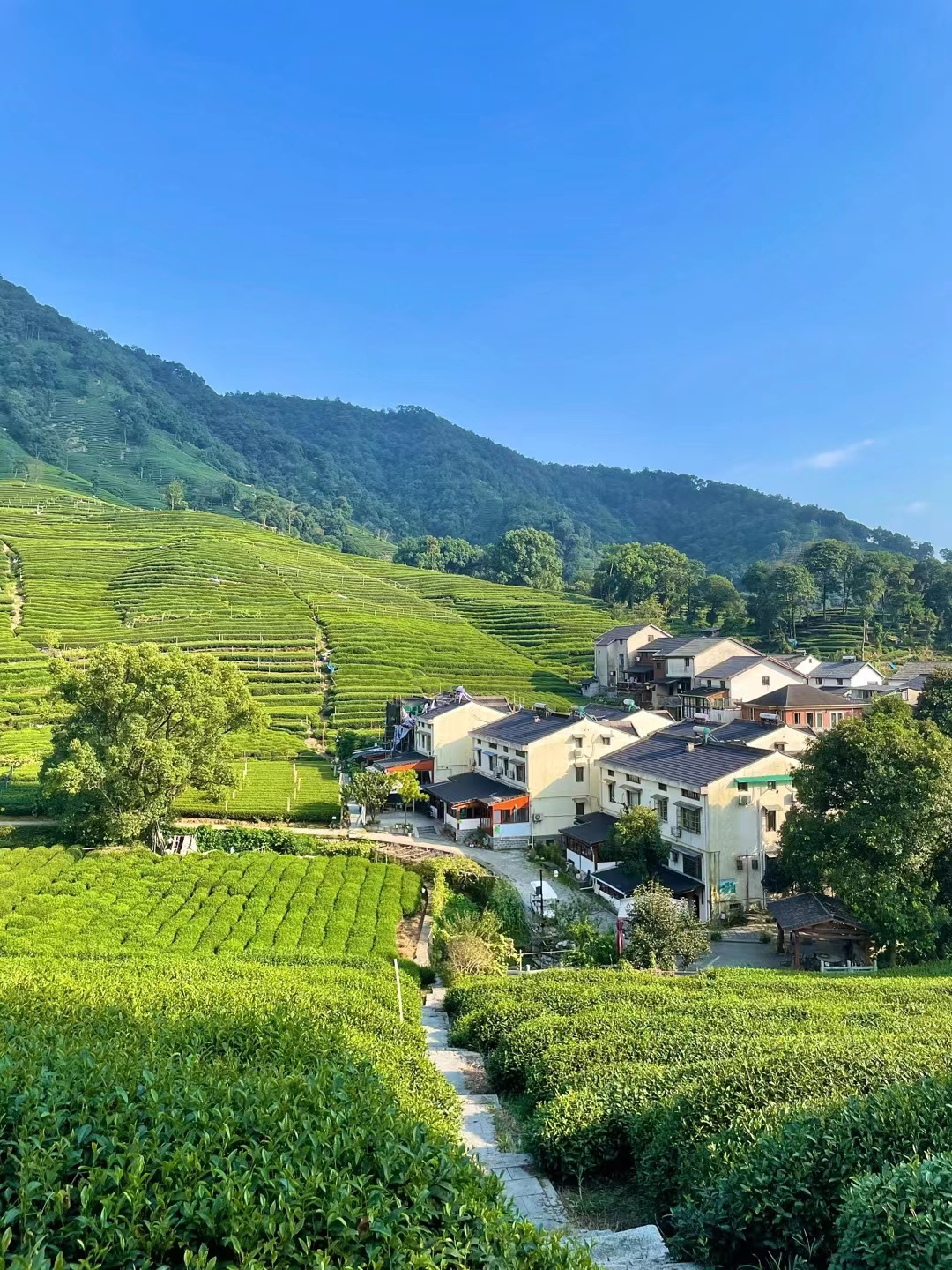
Meijiawu is the working heart of West Lake Longjing tea country — a 600-year-old village of some 540 tea-farming households strung along Meiling Road, nicknamed 'Ten-Li Meiwu'. Inside the tea's first-grade protection zone, its terraced Longjing rows climb the valley walls behind some 160 farmhouse tea houses; Zhou Enlai treated it as his rural contact point, and today visitors walk the tea rows, watch roasting in spring, and drink the first flush in a farmhouse courtyard. Free and quieter than Longjing Village next door.
Dive deeper: full travel guide · transport & map · where to stay & book
The village in the valley is older than its fame: Meijiawu has farmed this fold of the western hills for roughly six hundred years, and its tea goes back to the Longjing name itself — the 'dragon well' that christened China's most celebrated green tea. The modern chapter began in 1957, when Premier Zhou Enlai chose the village as his rural work contact point and returned five times by 1963, meeting farmers in the two-storey Qing-era courtyard that is now his memorial hall. Decades of foreign dignitaries followed, touring the terraces as a showpiece of the tea country; today around 540 households still farm, and 'Ten-Li Meiwu' stretches nearly ten li along Meiling Road.
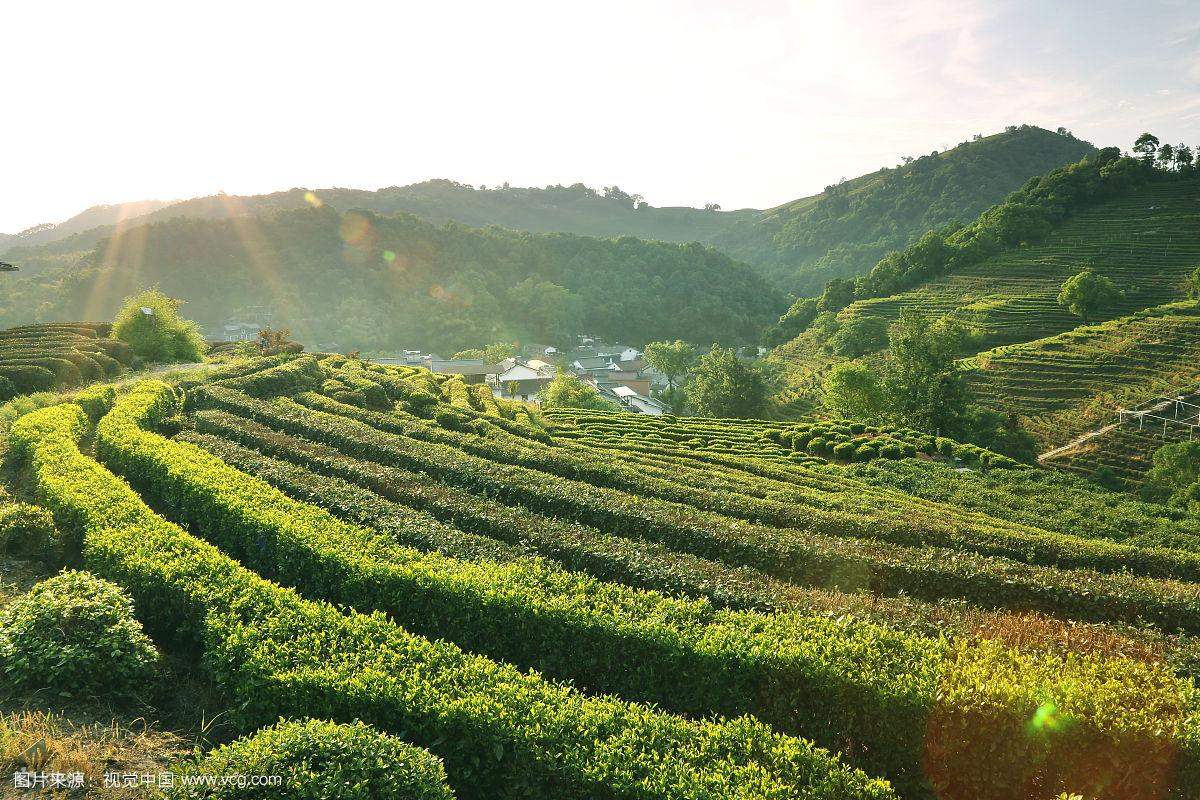
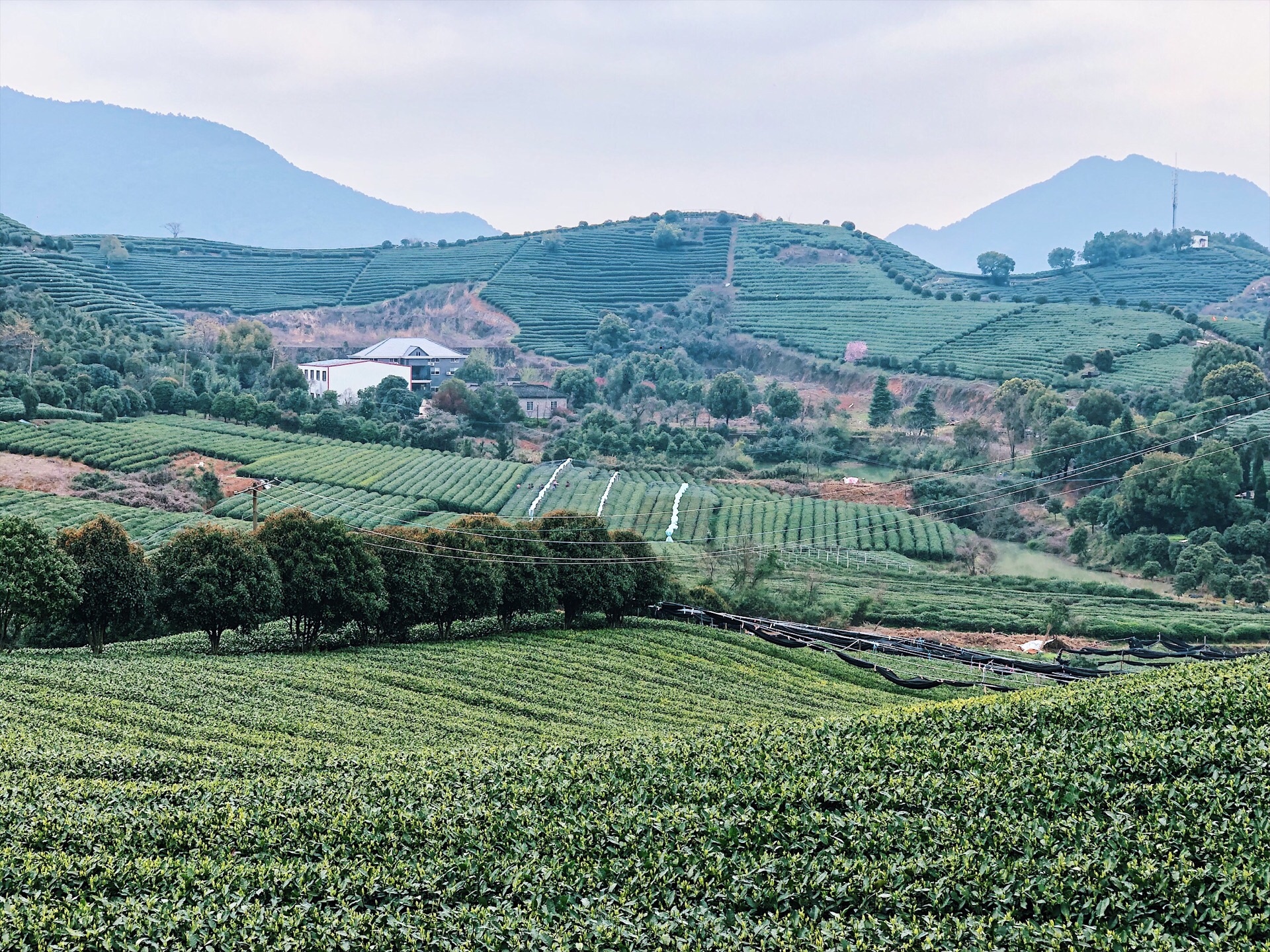
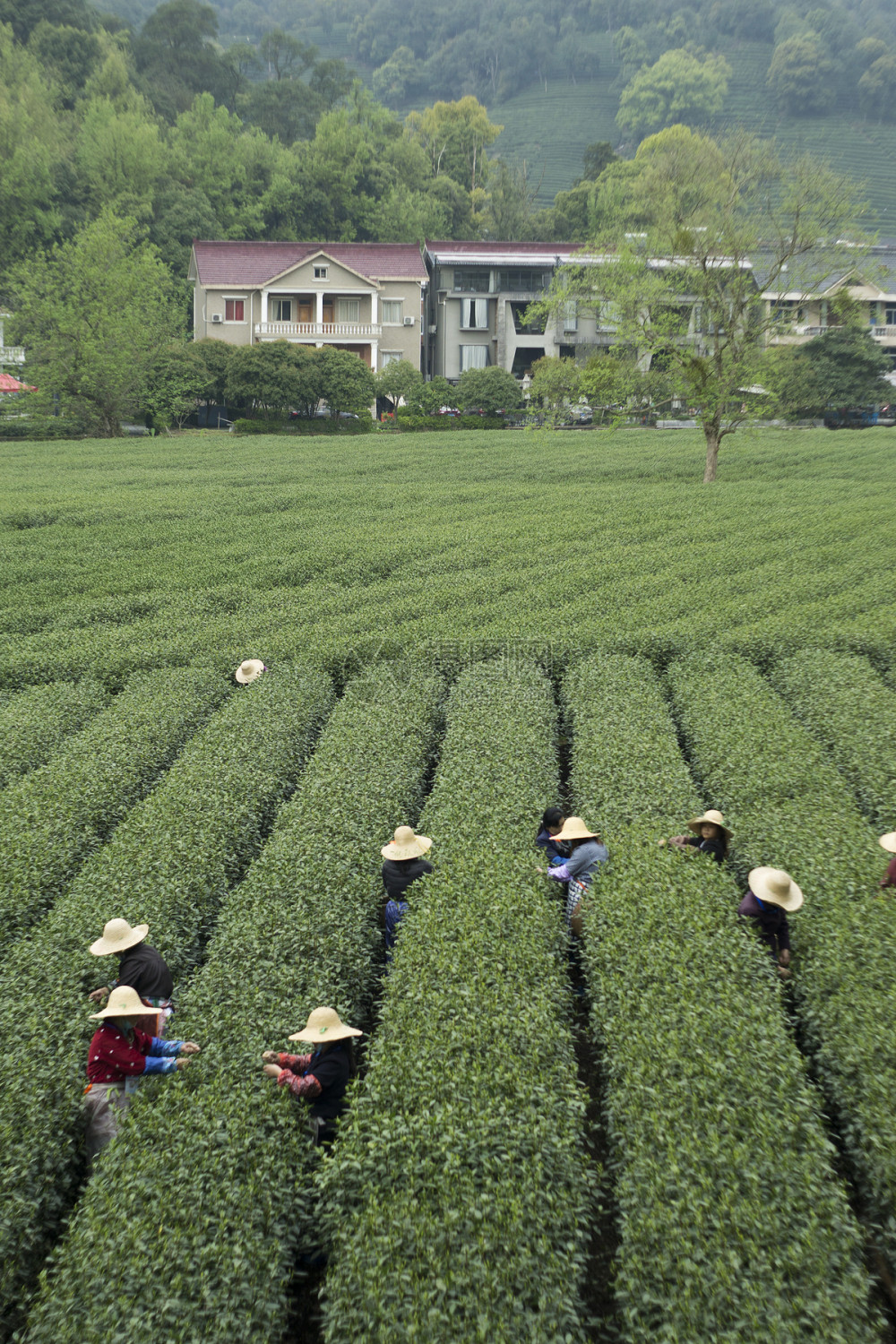
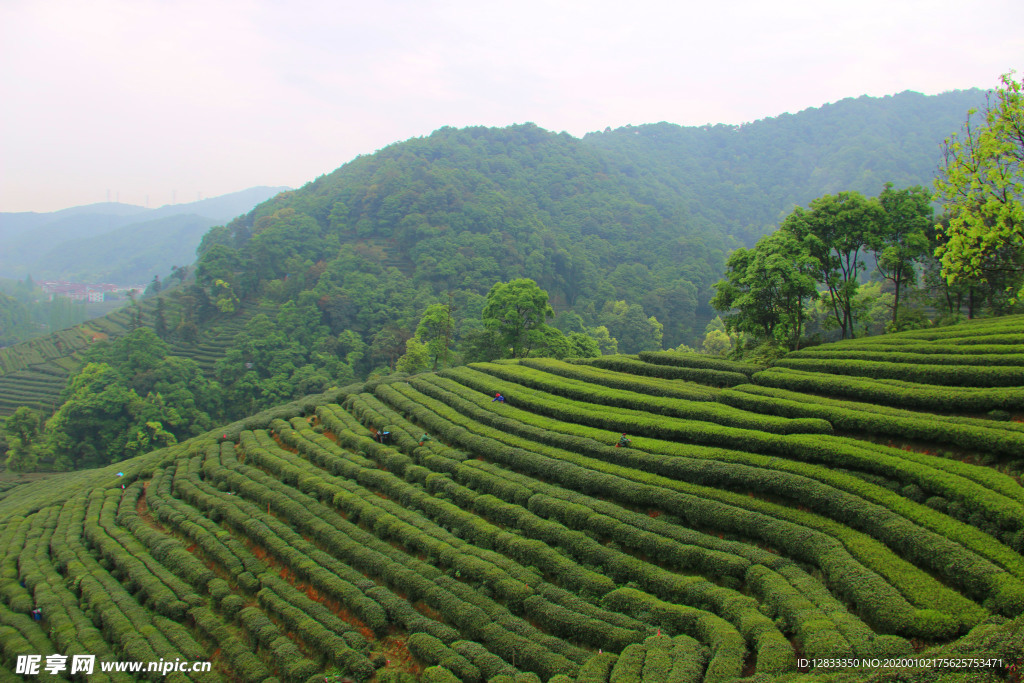
The landscape is the attraction. Roughly eighty hectares of contoured tea rows — Longjing 43 bushes — climb the valley walls in one of the five core production areas of the West Lake Longjing first-grade protection zone, morning mist pooling between the rows as the village's signature view. A string of some 160 farmhouse tea houses and restaurants lines the main lane, serving the year's brew by the glass with farmhouse meals; the Shili Langdang ridge trail climbs four kilometres from the village edge through tea and bamboo to viewpoints over the whole tea country. In season — late March to mid-April — pickers comb the slopes and roasters fire woks in the lanes for the pre-Qingming first flush, the most prized tea in China.
Visiting in 2026 is free and unstructured: the village, trails and memorial hall take no ticket and no booking, and only the guided experiences — picking and roasting sessions at roughly ¥50-150 per person, best booked ahead — and the tea itself cost money. The practical plan is two to four hours: walk the terraces, drink Longjing in a courtyard, eat a farmhouse lunch, and add the ridge trail or nearby Yunqi Bamboo Path for a half day. Weekdays beat weekends in picking season, when Meiling Road jams after 09:00 and tea-house seats fill by noon; the last buses back to the city leave in the early evening, so plan a taxi if dinner runs long.
Highlights
Longjing Tea Terraces
Roughly 80 hectares of contoured tea rows climb the valley walls in one of the five core West Lake Longjing production areas. The morning mist over the rows is the village's signature view.
Zhou Enlai Memorial Hall
The two-storey Qing-era courtyard house where the Premier met villagers during his five visits now displays photographs and artefacts. It is the village's main historic sight.
Shili Langdang Ridge Trail
A classic four-kilometre ridge path climbs from the village edge through tea fields and bamboo to viewpoints over the whole tea country. It links onward to Longjing Village or Tianzhu.
Farmhouse Tea Houses
Around 160 village courtyards serve Longjing by the glass with farmhouse meals. Sitting over a fresh brew with the fields behind the wall is the essential Meijiawu experience.
Spring Picking & Roasting Season
From late March to mid-April, pickers comb the slopes and roasters fire woks by hand and machine in the village lanes. This pre-Qingming 'first flush' is the most prized tea in China.
Tea Craft Experience
Several village studios offer hands-in-the-leaf sessions: pick with a bamboo basket, then pan-fire your own batch under a roasting master's guidance. Book ahead; from roughly CNY 50-150 per person.
Photo Gallery
Comments