 Travel in China
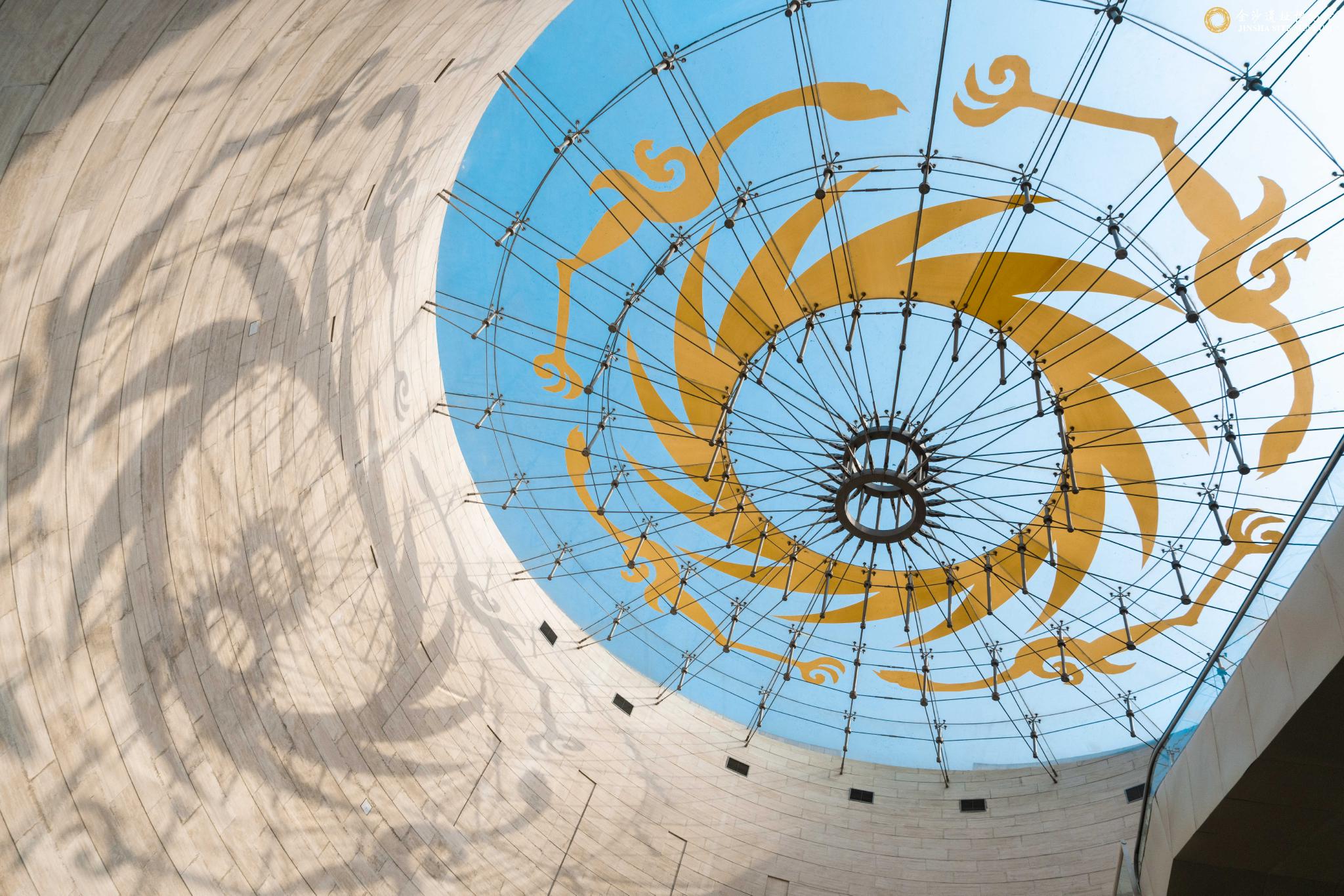
Jinsha Site Museum preserves a 3,000-year-old Shu ritual centre whose 2001 discovery rewrote Chengdu's origins; the Sun Bird gold disc unearthed here became China's national cultural-heritage emblem. IMPORTANT FOR 2026: the museum is fully closed for renovation from 5 December 2025 to 30 April 2027, reopening May 2027 with immersive digital displays and restored archaeological pits; until then its star artefacts can be seen at Chengdu Museum and Sichuan Museum.
Dive deeper: full travel guide · transport & map · where to stay & book
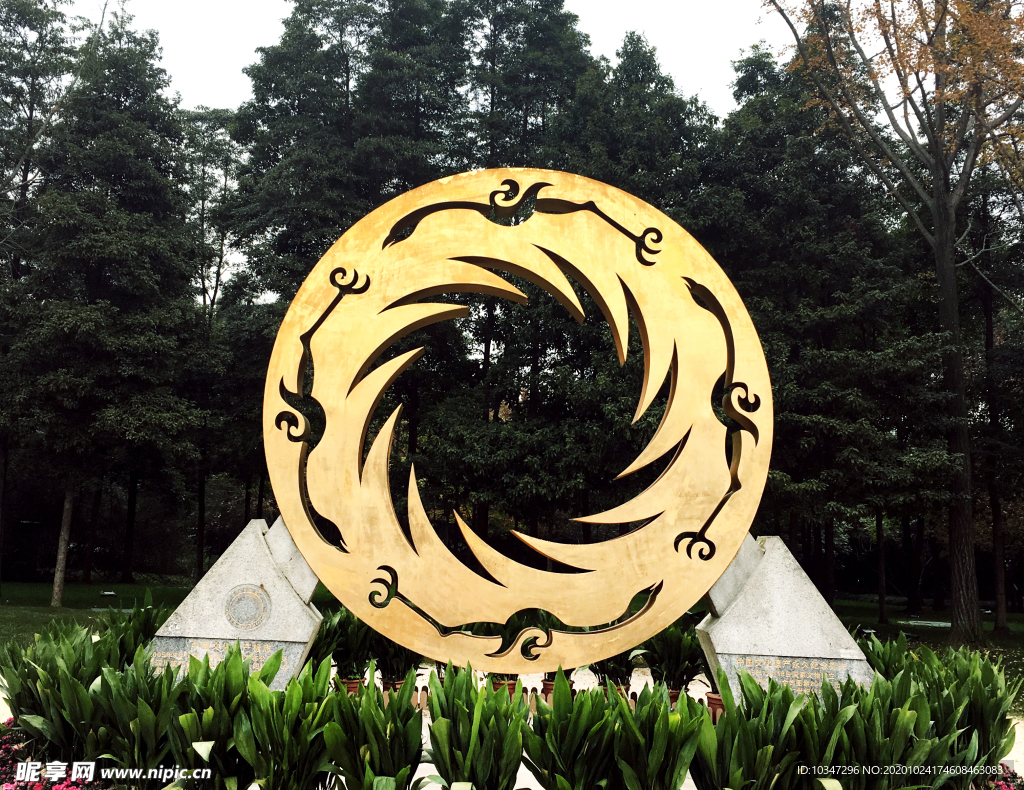
Beneath the northern suburbs of Chengdu lies one of China's most remarkable archaeological discoveries: the Jinsha Site, a 3,000-year-old ritual centre of the ancient Shu kingdom, accidentally unearthed in February 2001 during construction work. The find rewrote the city's origins, pushing Chengdu's documented urban history deep into the late Shang and Western Zhou periods, around 1200–650 BCE, and linking it to the Bronze Age Sanxingdui culture some fifty kilometres away. Established to protect the excavation, the Jinsha Site Museum opened in 2007 on the spot itself. Its most celebrated artefact, the Sun Bird gold disc, was adopted in 2005 as China's national cultural-heritage emblem, instantly elevating the site to iconic status.
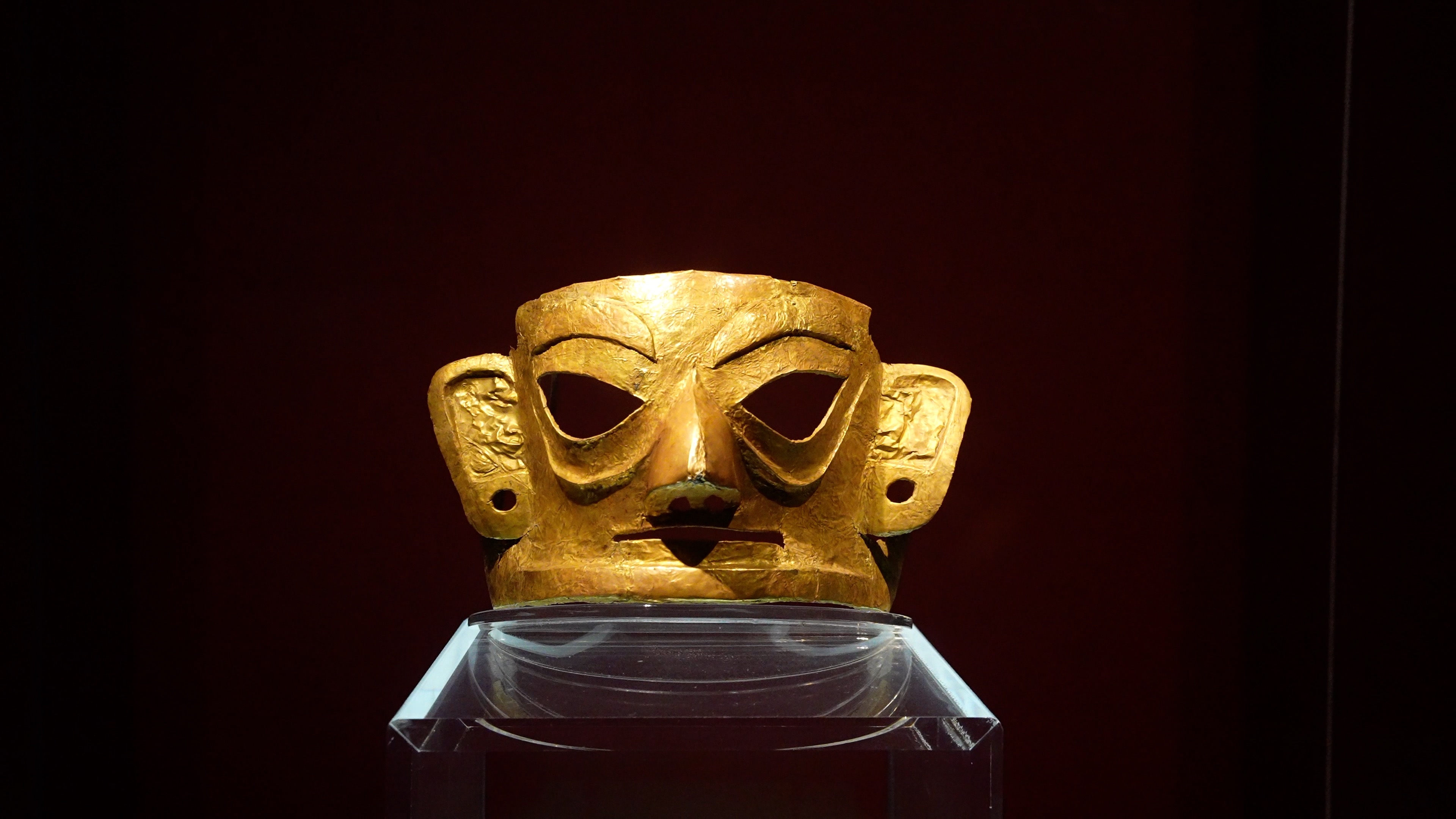
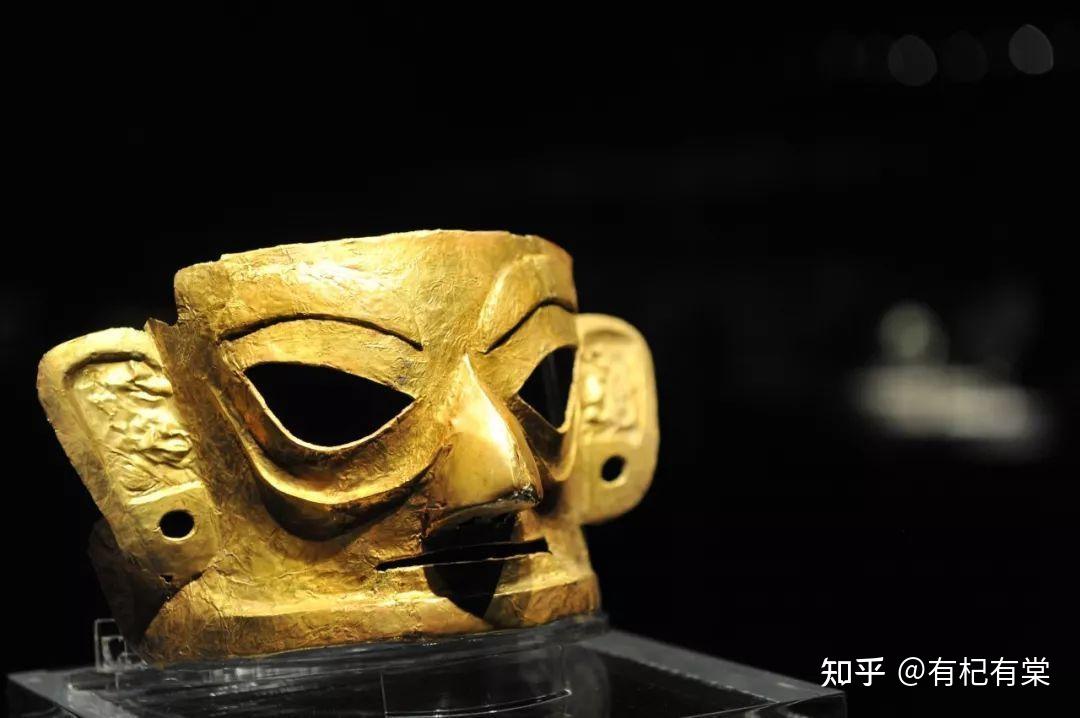
The museum's greatest strength is that visitors walk above the actual excavation. The Relics Hall, a striking domed structure, covers the dig where ivory tusks, elephant tusks and sacrificial pits remain exactly where they lay, viewed from boardwalks. The exhibition hall displays treasures that stunned archaeologists: the Sun Bird gold disc, its twelve-ray sun and four circling birds cut from foil thinner than paper; the Great Gold Mask, at 20.5 centimetres the largest gold mask of its era found in China; and a ten-section jade cong of Liangzhu origin, proving trade between Yangtze cultures three millennia ago. Surrounding it all, the Deer Park and Ebony Grove recreate the ancient Shu landscape with sika deer roaming among 10,000 ginkgo and nanmu trees.
Travellers should plan carefully for 2026: the museum is fully closed for renovation from 5 December 2025 until 30 April 2027, reopening in May 2027 with restored archaeological pits and a new Digital Reborn Gallery featuring immersive projected reconstructions of the ancient kingdom. Until then, the star artefacts can be viewed at Chengdu Museum and Sichuan Museum, both centrally located. Previously the museum opened daily 09:00–18:00 with last entry at 17:00, closing Mondays except public holidays, and drew well over a million visitors annually. When it reopens, Jinsha will remain integral to Chengdu's identity — the Sun Bird motif already adorns the city's Tianfu Square, making the site the historical heart of a modern metropolis.
Highlights
Relics Hall over the dig
A domed hall on the actual excavation: ivories, tusks and ritual pits where they lay, seen from boardwalks.
The Sun Bird Gold Disc
A 12-ray sun and four circling birds cut from foil thinner than paper — China's cultural-heritage logo.
Great Gold Mask
The largest gold mask of its era found in China, 20.5 cm wide.
Ten-Section Jade Cong
A Liangzhu-culture jade proving 3,000-year-old trade between the Yangtze cultures.
Deer Park & Ebony Grove
Reconstructed Shu landscape with sika deer among 10,000 gingko and nanmu trees.
Digital Reborn Gallery (2027)
The post-renovation rebuild promises immersive, projected reconstructions of the ancient kingdom.
Photo Gallery
Comments