 Travel in China
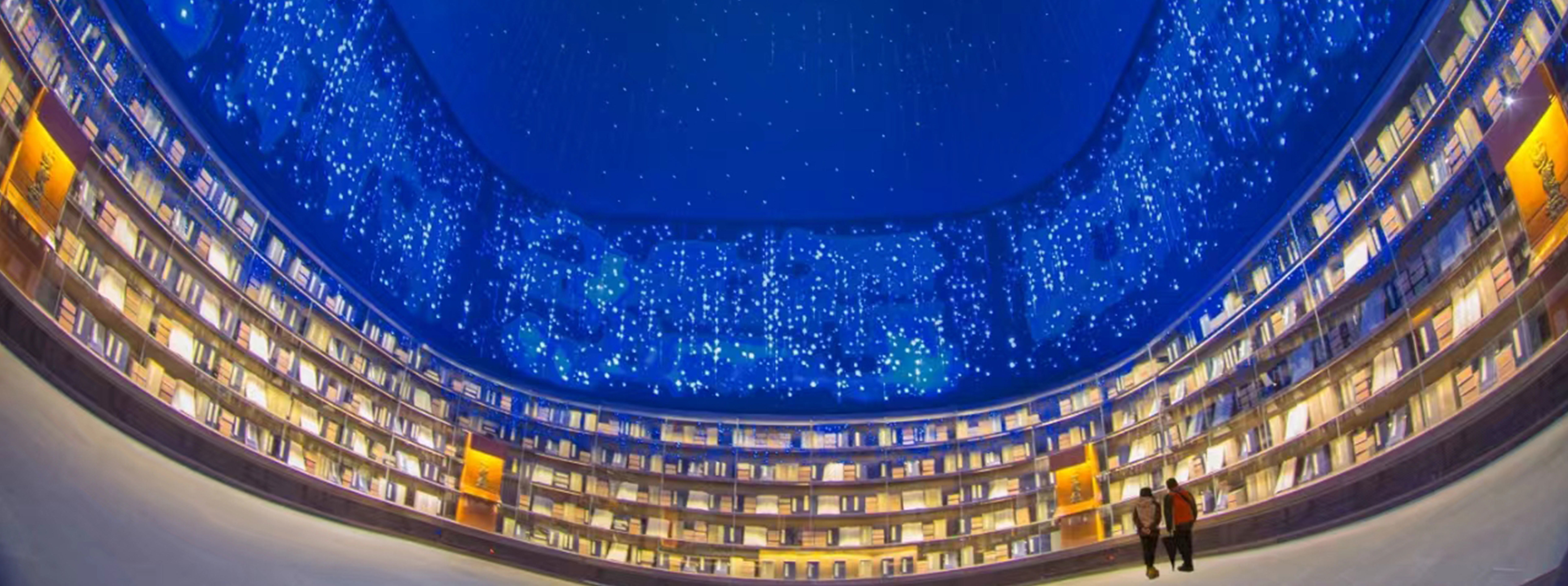
The Imperial Examination Museum of China — a striking sunken four-storey museum on the site of the Jiangnan Examination Hall beside the Confucius Temple, where the 1,300-year keju system that shaped imperial China is told through exam cells, champion documents and astonishing cheating relics.
Dive deeper: full travel guide · transport & map · where to stay & book
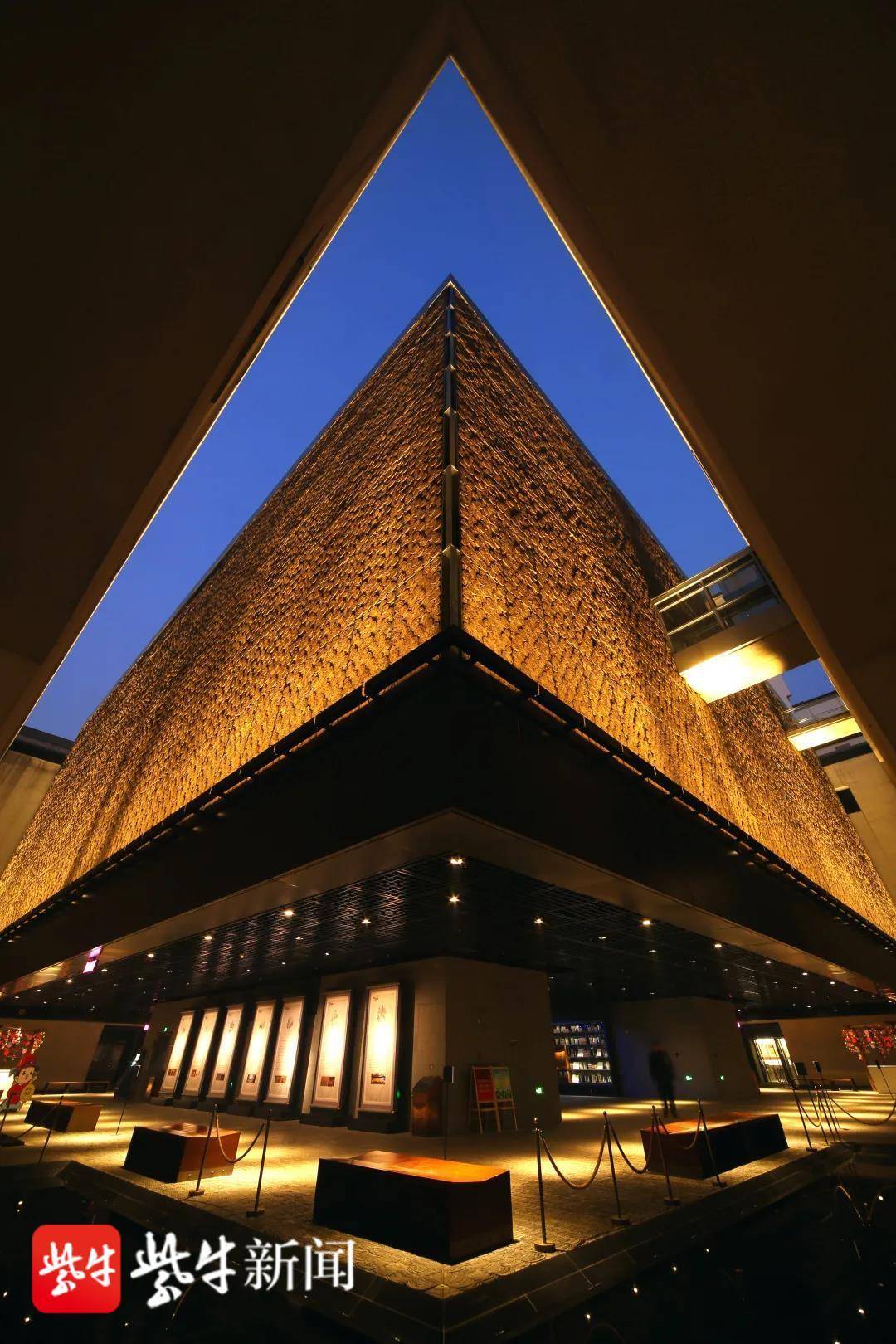
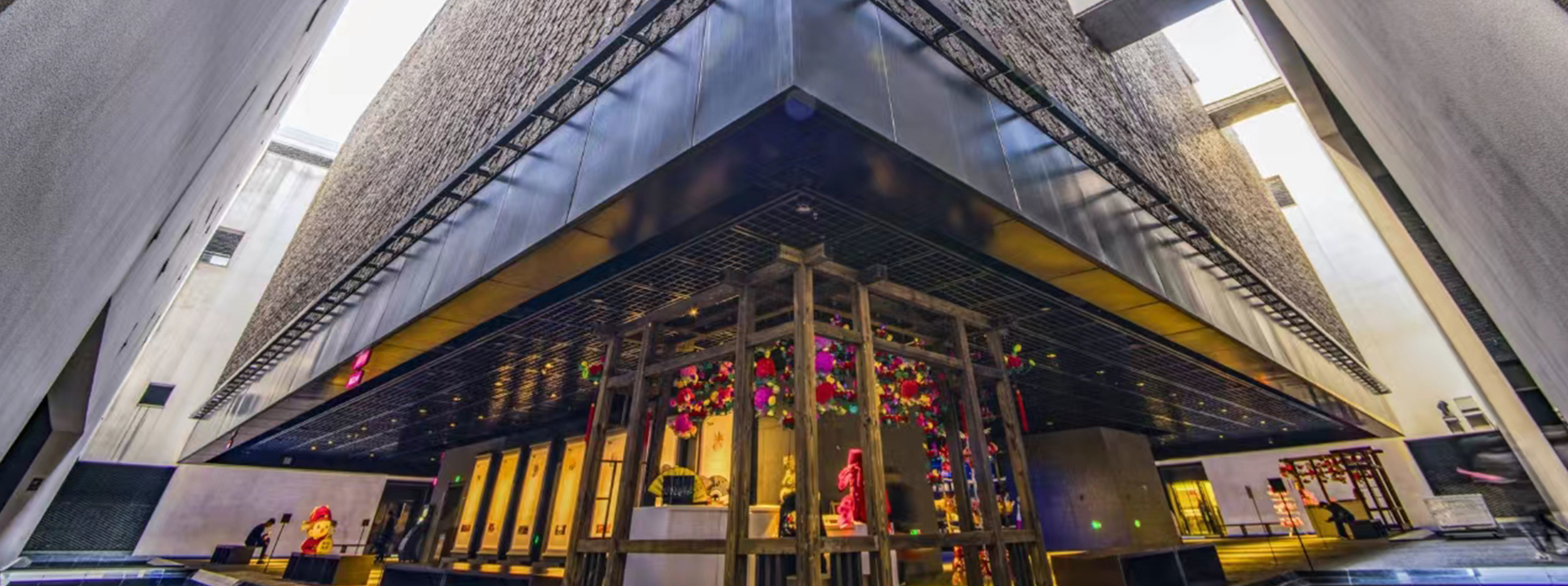
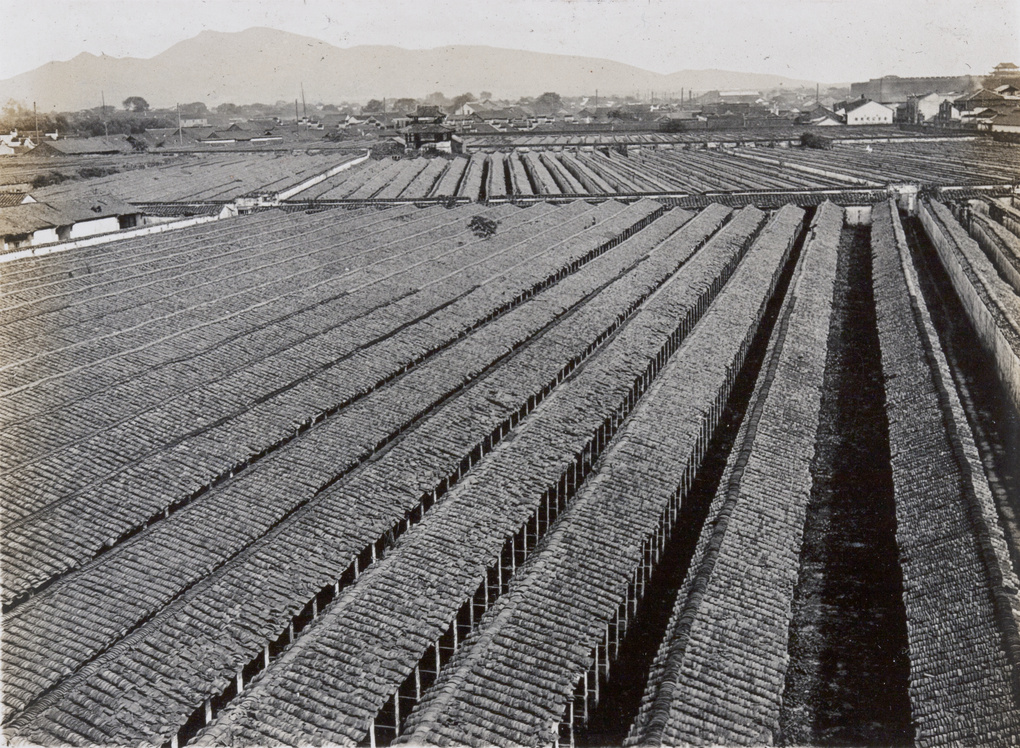
On the site of the Jiangnan Examination Hall (Jiangnan Gongyuan) beside the Confucius Temple stands China's only dedicated museum of the imperial civil-service examination — the keju system that ran for some 1,300 years from the Sui dynasty to its abolition in 1905. The hall ranked the largest of imperial China's examination grounds: in the Ming and Qing eras more than 20,000 candidates at a time sat Jiangnan's provincial exams here, writing, eating and sleeping in brick cells barely a metre wide through day-and-night sessions. The museum's striking centrepiece is a sunken, four-storey courtyard 'treasure box' that visitors descend like a timeline — from the system's Sui founding, through Tang refinement, Song reform and the Ming–Qing zenith, down to its end.
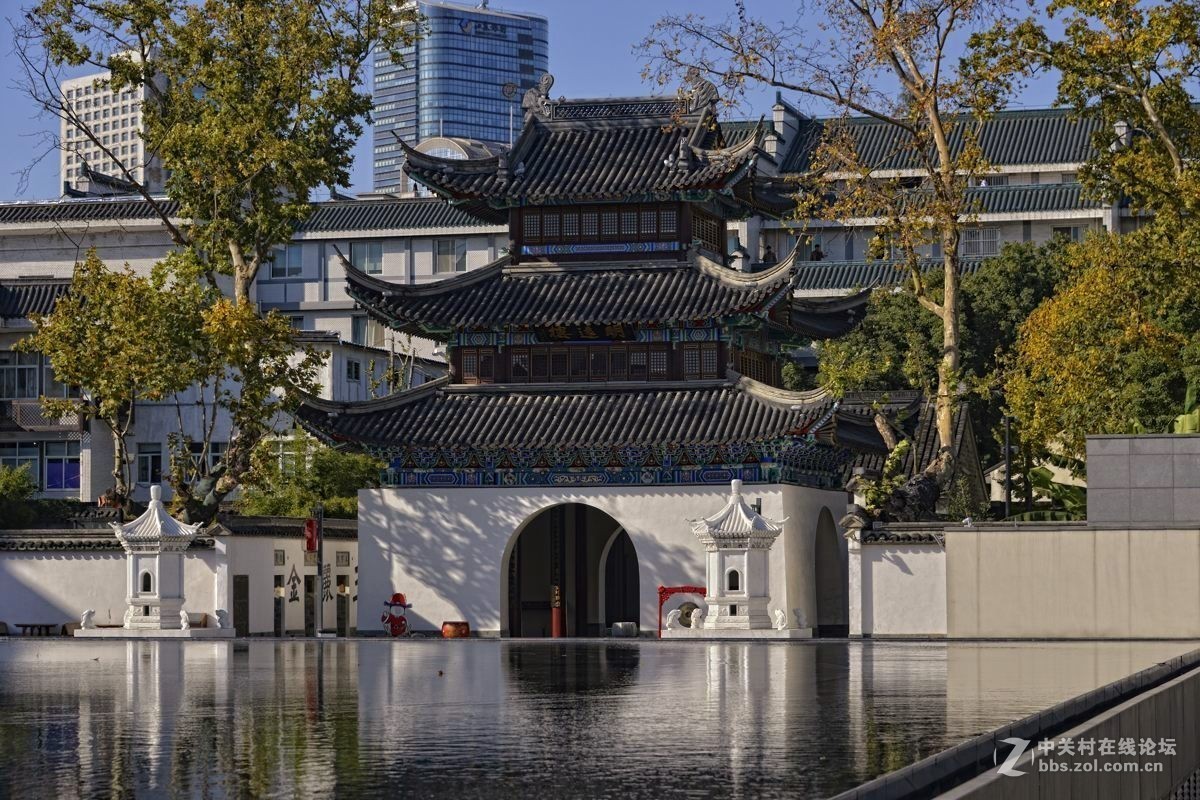
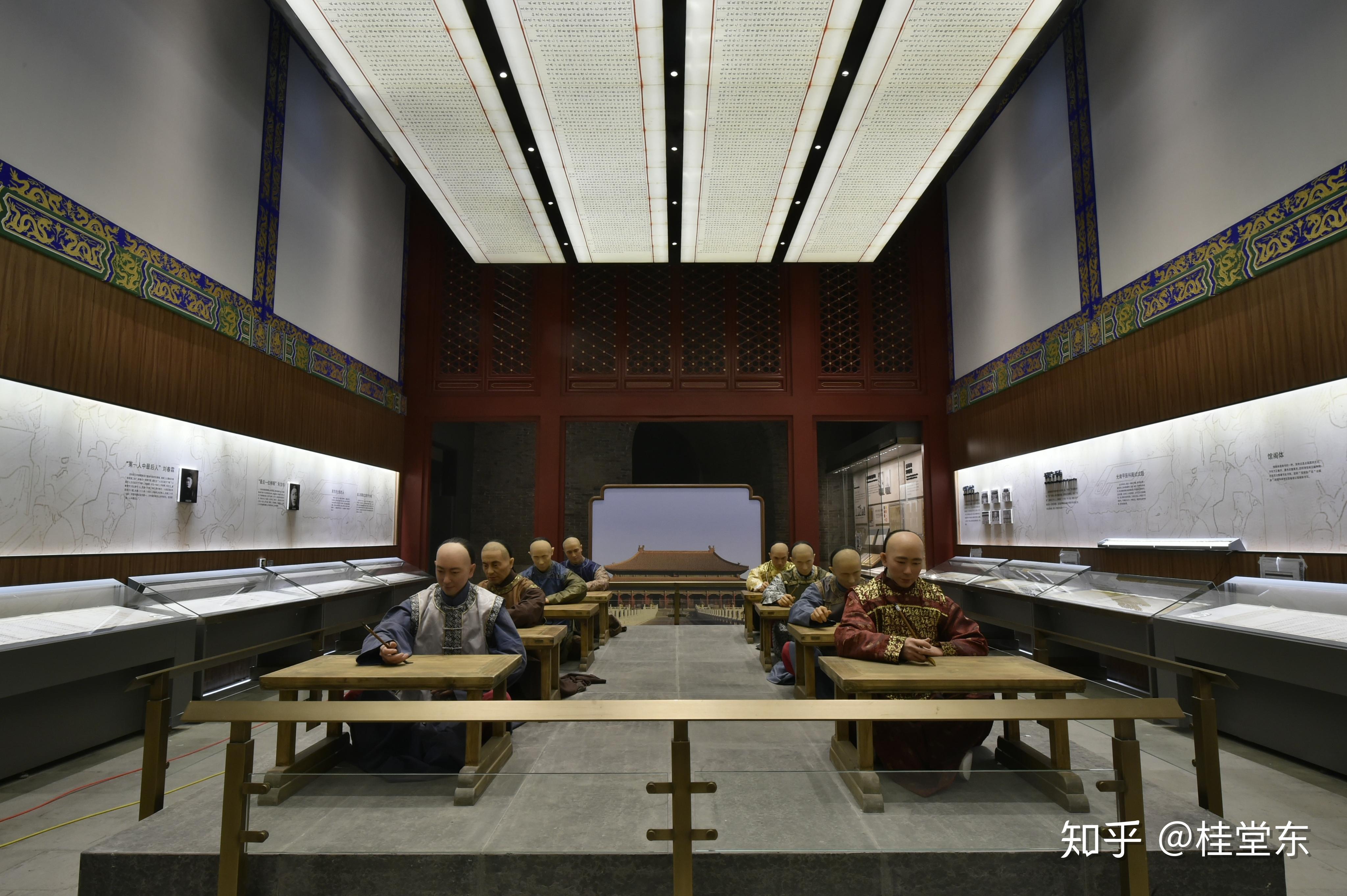
Above ground, the restored Mingyuan Tower of 1424 — the oldest surviving examination-hall building in China — supervised the compounds, and today forms the last stop of the visit route beside the Feihong Bridge and rows of reconstructed examination cells (haoshe) that recreate the three-day, two-night ordeal of a candidate's life. The galleries hold over 10,000 artefacts: authentic examination papers in the eight-part essay (bagu) format, champion (zhuangyuan) announcements and diplomas, scale models of the 20,000-cell compound at its peak, and astonishing smuggled crib sheets — including a full Confucian classic micro-written by hand across a shirt. On the lowest level, Kuixing Hall invites visitors into the interactive 'Kuixing points the dipper' ritual for luck in studies.
Open until 22:00 daily — one of the few Nanjing museums with full evening hours — the museum anchors a night visit to the Qinhuai riverfront, matching the lantern-lit temple quarter around it. Entry costs CNY 50 (about CNY 45 online), and joint tickets pair it with Dacheng Hall, Li Xiangjun's residence and the Wang–Xie Memorial; the Chinese Museums Association named it one of China's four Most Innovative Museums of 2025. Metro Line 3 reaches Fuzimiao Station a five-minute walk away, and the visit chains seamlessly with the Confucius Temple, Wuyi Lane and a painted-boat night cruise.
Highlights
The Sunken Courtyard Museum
Descend four storeys below street level through a knife-edged water-and-stone atrium — the architecture itself evokes the 'ten years by the cold window' grind of a candidate's life, with exhibition halls on every level.
Mingyuan Tower
The 1424 watchtower that supervised the exam compounds — the oldest surviving structure of the Jiangnan Examination Hall and a protected relic, now open for climbing.
Reconstructed Exam Cells (Haoshe)
Rows of tiny cells recreate the 3-day, 2-night ordeal of candidates, who ate, slept and wrote in a space barely one metre wide; scale models show the compound's 20,000+ cells at its Ming-Qing peak.
Keju Relics & Cheating Exhibits
Authentic exam papers, the 8-part essay (bagu) format, zhuangyuan (top-graduate) announcements and astonishing smuggled crib sheets — including a full Confucian classic micro-written on a shirt.
Kuixing Hall
A meditation hall on level B4 for the God of Examinations — visitors join the interactive 'Kuixing points the dipper' ritual for luck in studies, a favourite of student visitors.
Qinhuai Riverfront Setting
The museum faces the Confucius Temple's Pan Pool on the Qinhuai River: combine with the temple, Wuyi Lane and a painted-boat night cruise in one seamless old-town circuit.
Photo Gallery
Comments