 Travel in China
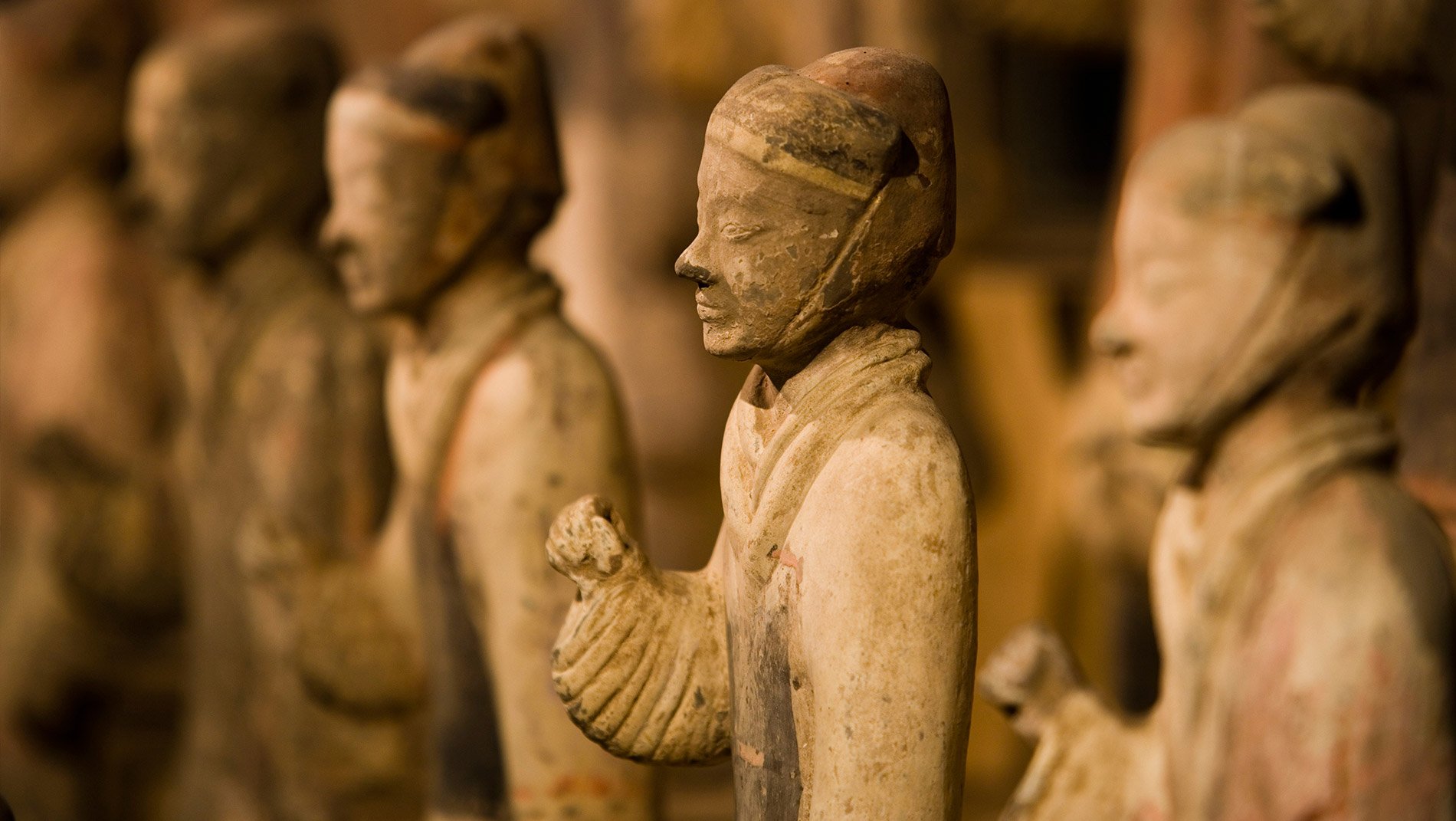
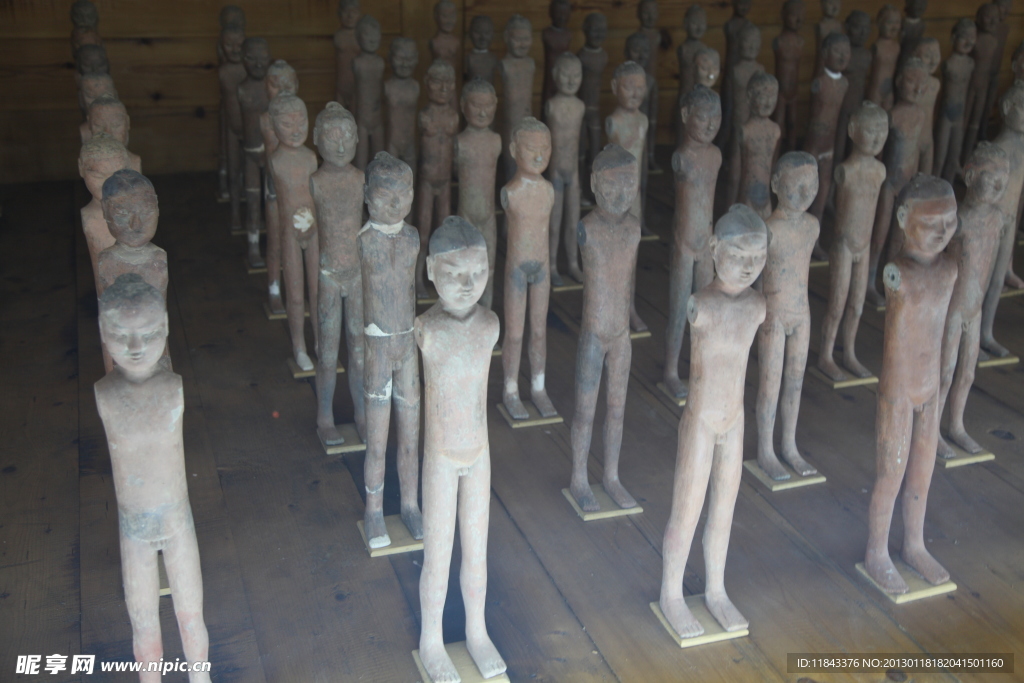
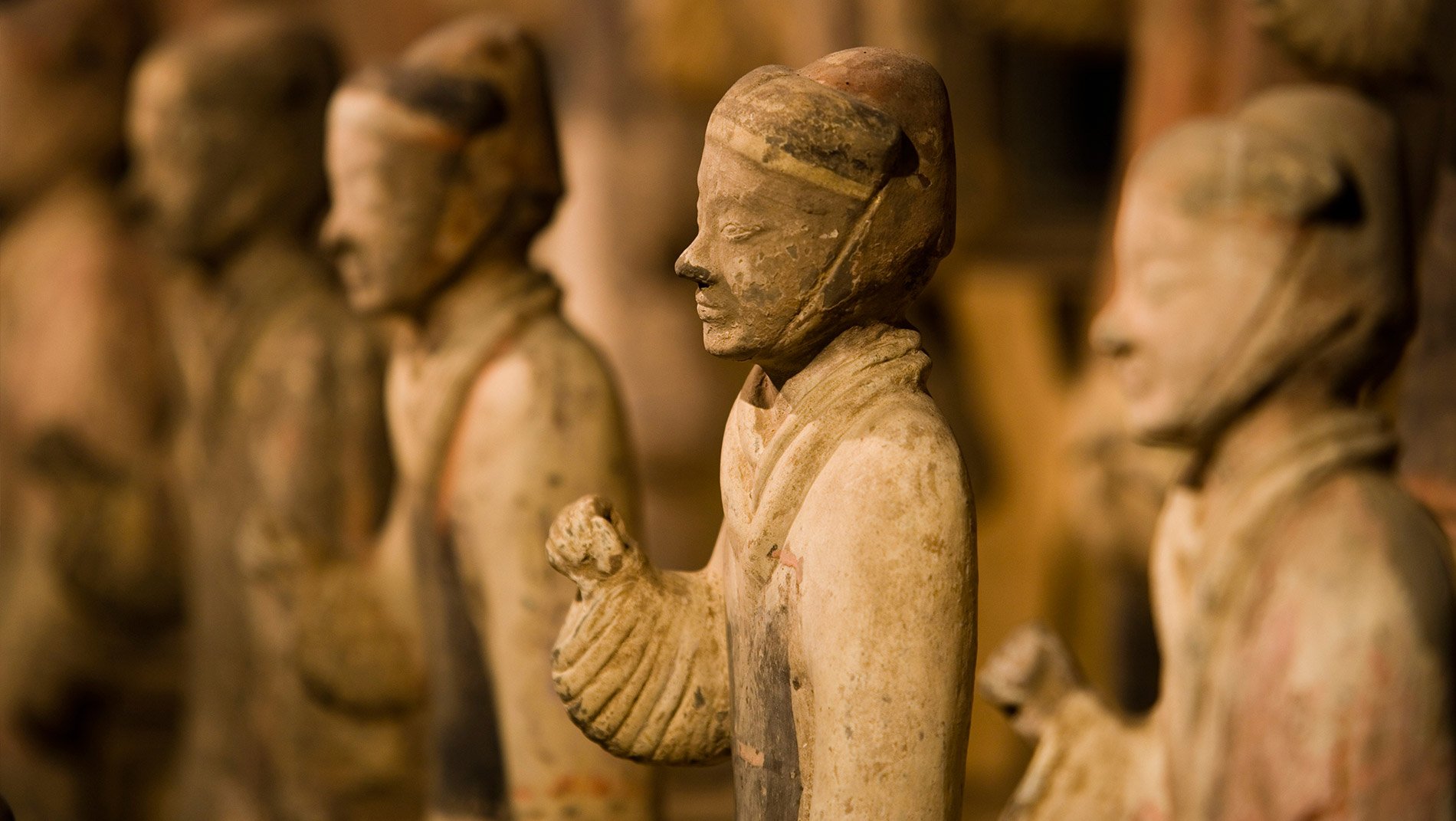
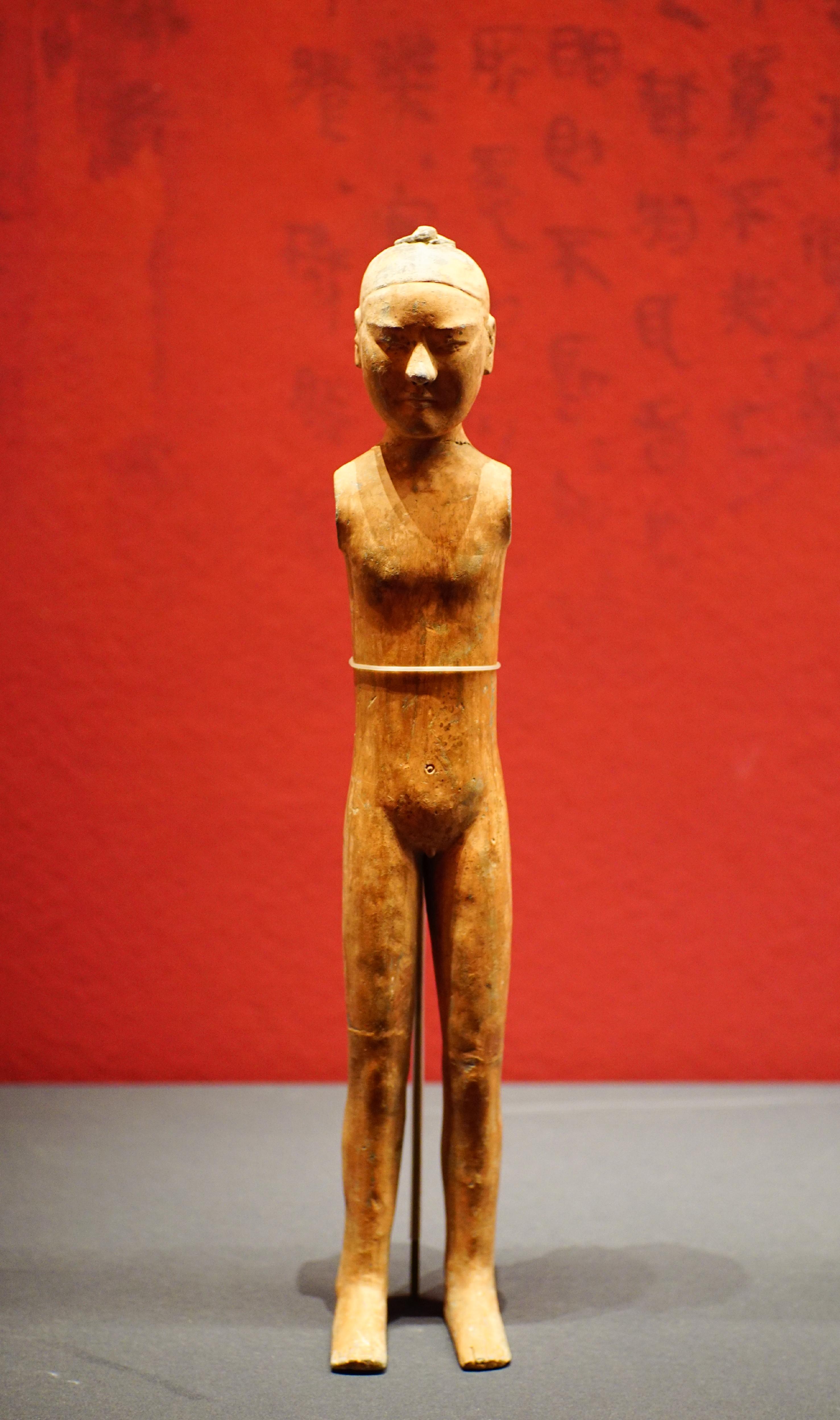
Thirty minutes from the airport, the tomb of Emperor Jing — architect of the 'Rule of Wen and Jing' prosperity — hides one of China's most eerily beautiful museums: a fully underground display hall where you walk on glass floors directly above ranks of two-thirds-lifesize, armless clay figures, exactly as excavated. The 'naked' warriors were once dressed in silk robes with wooden arms, both rotted away, leaving ghostly nude armies. Far quieter than the Terracotta Warriors, it is an intimate, hi-tech window into the early Han.
Dive deeper: full travel guide · transport & map · where to stay & book
The Han Yangling Museum, located in the northern outskirts of Xi'an, preserves the tomb of Emperor Jingdi ( Liu Qi ), the fifth emperor of the Western Han Dynasty, who reigned from 157 to 141 BCE. Together with his father, Emperor Wen, he gave his name to the celebrated "Rule of Wen and Jing," a period of light taxation and recovery that laid the economic foundation of Han greatness. Jingdi was buried here with his empress in a vast funerary complex begun during his lifetime; construction and burials spanned decades, culminating around 126 BCE. Today the site is both an archaeological park and one of China's most unusual museums, offering an unrivaled window into early Han imperial funerary art and belief.
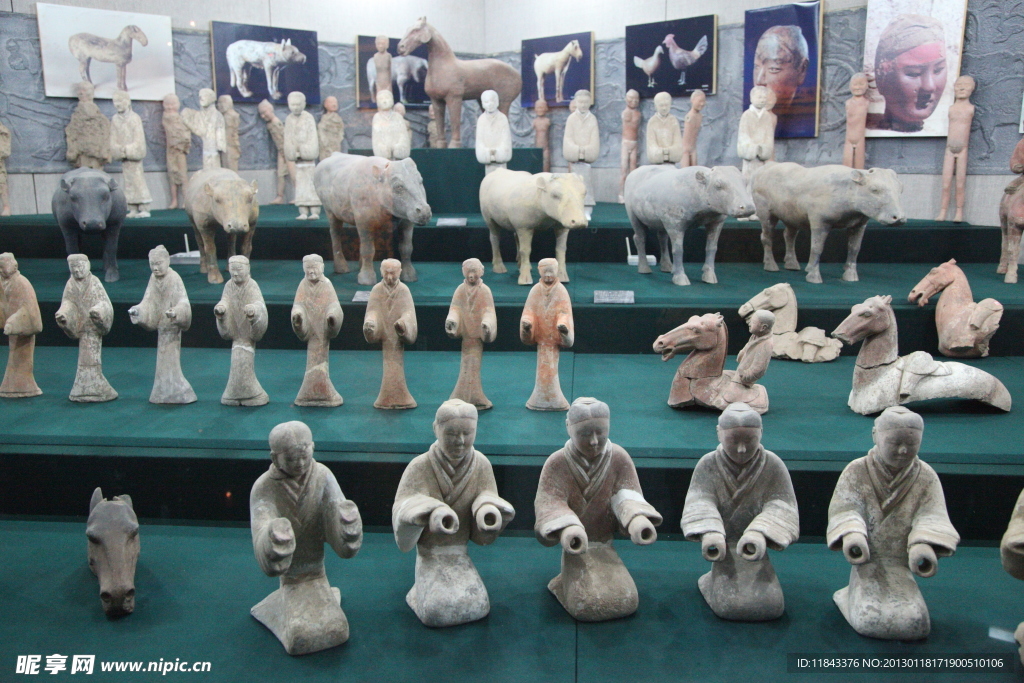
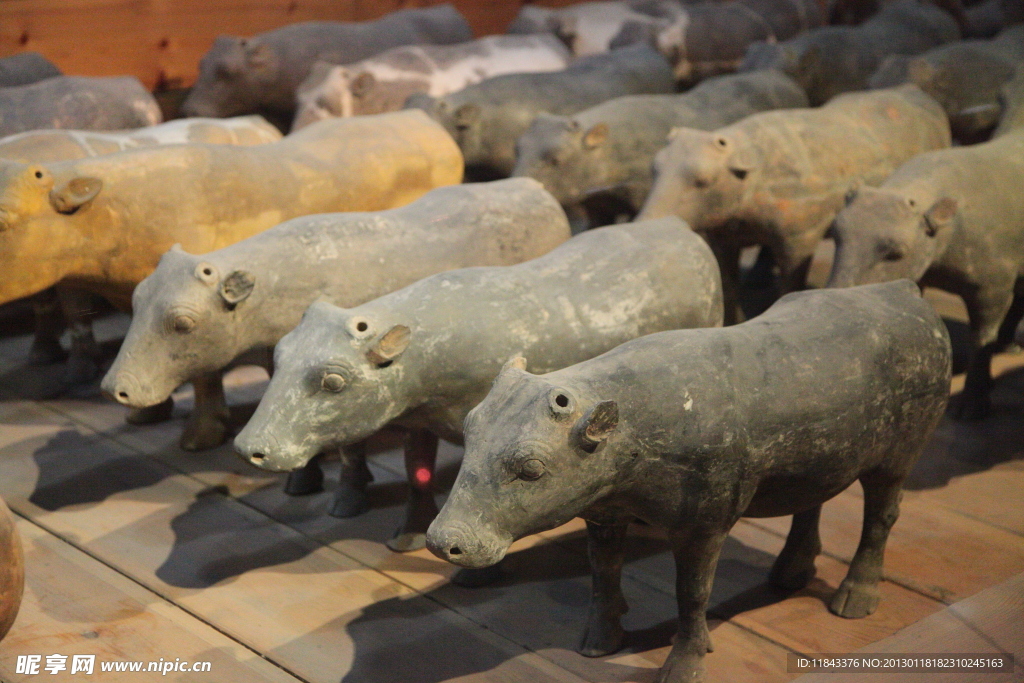
The visitor experience is genuinely singular. The museum's core is a fully underground display hall built directly over the tomb's satellite pits, where glass floors let you walk above ranks of two-thirds-lifesize clay figures — some 60 centimeters tall — exactly as they were excavated. These are the famous "naked warriors": thousands of armless, nude figurines with serene, smiling faces, originally dressed in silk robes with wooden arms, both of which rotted away. Interspersed among them are ceramic dogs, sheep, and grain jars, recreating a microcosm of the Han court. Highlights include the beloved kneeling palace lady "Shanshan," the excavated Nanquemen southern gatehouse with its ancient go board, a holographic theater re-creating Han court life, and a golden ginkgo avenue that glows in late autumn.
By 2026, Han Yangling remains a peaceful, uncrowded alternative to Xi'an's Terracotta Warriors, drawing a fraction of the visitors yet offering an arguably more intimate and technologically sophisticated encounter with ancient China. The museum lies about thirty minutes from Xi'an Xianyang International Airport, making it a convenient stop for transiting travelers. Opening hours run 8:30–18:30 (last entry 17:00) from March through November, and 8:30–18:00 (last entry 16:30) in winter, with extended evening hours to 20:00 on select holidays. Surrounded by farmland and new suburbs, the park anchors Xi'an's northern cultural corridor, connecting the modern metropolis with its Han-dynasty origins.
Highlights
Glass-Floor Underground Hall
Walk above live excavation pits: under your feet, rank upon rank of 60-cm Han warriors, dogs and sheep, seen exactly in situ.
The 'Naked' Army
Thousands of armless nude figurines with serene, smiling faces — originally clothed in silk with wooden arms that decayed.
Museum Star 'Shanshan'
The plump, smiling kneeling palace lady (painted ceramic, 34 cm), the mascot-like icon found in a companion tomb.
Nanquemen (South Gate) Ruins
The excavated southern gatehouse of the tomb park with its original rammed-earth platforms and an ancient go board found in situ.
Phantom Imaging Theater
A ¥10 holographic show re-creates Han court life and the tomb's construction — one of China's earliest hologram exhibits.
Ginkgo Avenue
In late Oct-Nov the park's golden ginkgo trees form one of Xi'an's most photographed autumn corridors.
Photo Gallery
Comments