 Travel in China
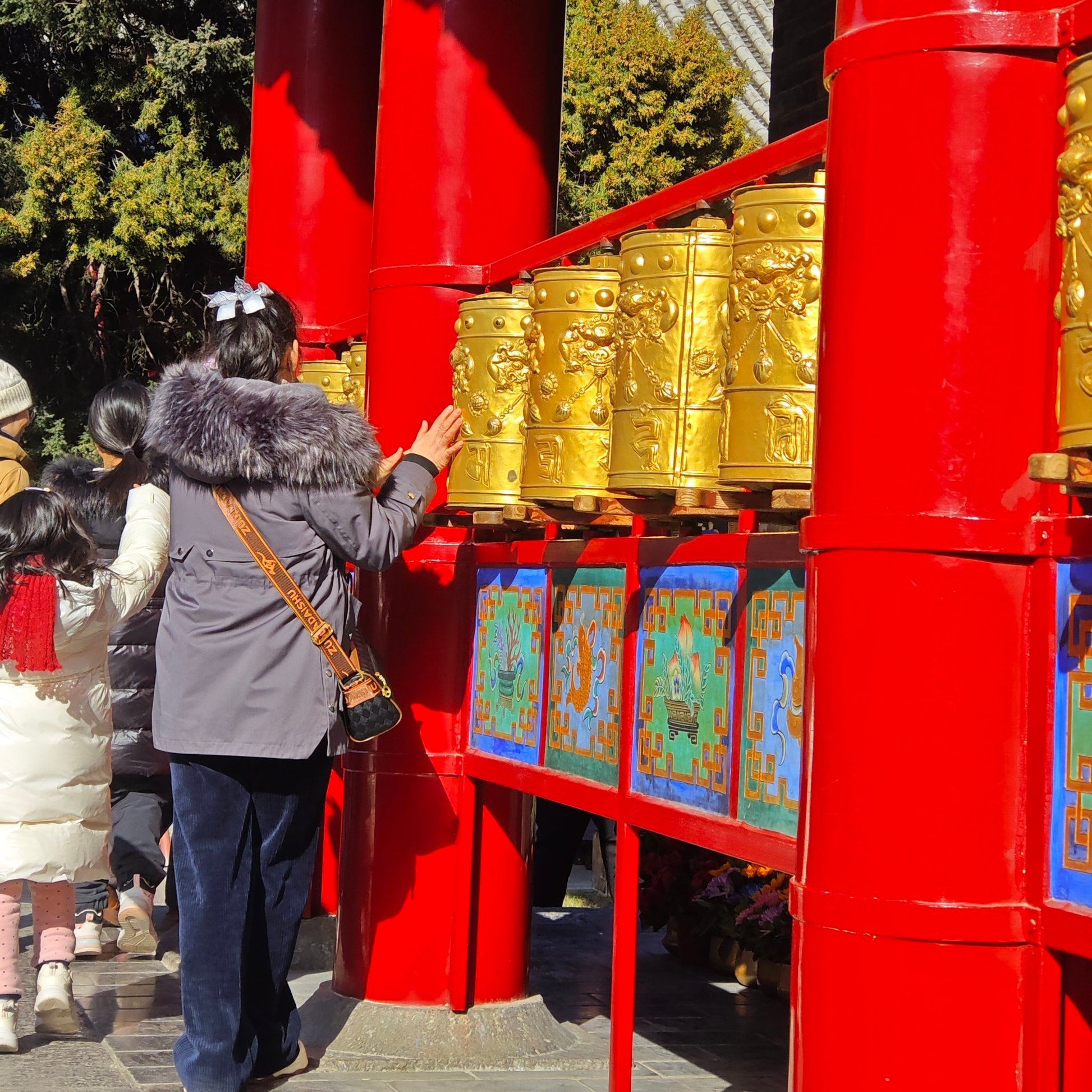
Tucked into the northwest corner inside the Ming city wall, Guangren Temple is Shaanxi's only Tibetan Buddhist temple — a 1705 imperial foundation built by the Kangxi Emperor as a way-station for lamas travelling from Tibet and Qinghai to Beijing, and China's only temple dedicated to Green Tara. Bright prayer flags, a golden roofline and the scent of butter lamps set it apart from every other temple in the city; its 'Eight Treasures' include Kangxi's own stele and a 6.6-metre thousand-armed gilded Guanyin. Free, uncrowded and unexpected.
Dive deeper: full travel guide · transport & map · where to stay & book
Tucked into the northwest corner of Xi'an's Ming-era city wall, Guangren Temple holds a distinction found nowhere else in Shaanxi: it is the province's only Tibetan Buddhist temple, and the only temple in China dedicated to Green Tara. It was founded in 1705 by imperial decree of the Kangxi Emperor, who commissioned it as a way-station for lamas travelling between Tibet, Qinghai and Beijing. The emperor took a personal interest in the project — the founding stele's text was composed and calligraphed by his own hand — and the temple quickly became a significant centre for Tibetan Buddhism in the northwest. Today it remains a rare, fully functioning example of imperial patronage bridging Han and Tibetan religious traditions within an ancient Chinese capital.
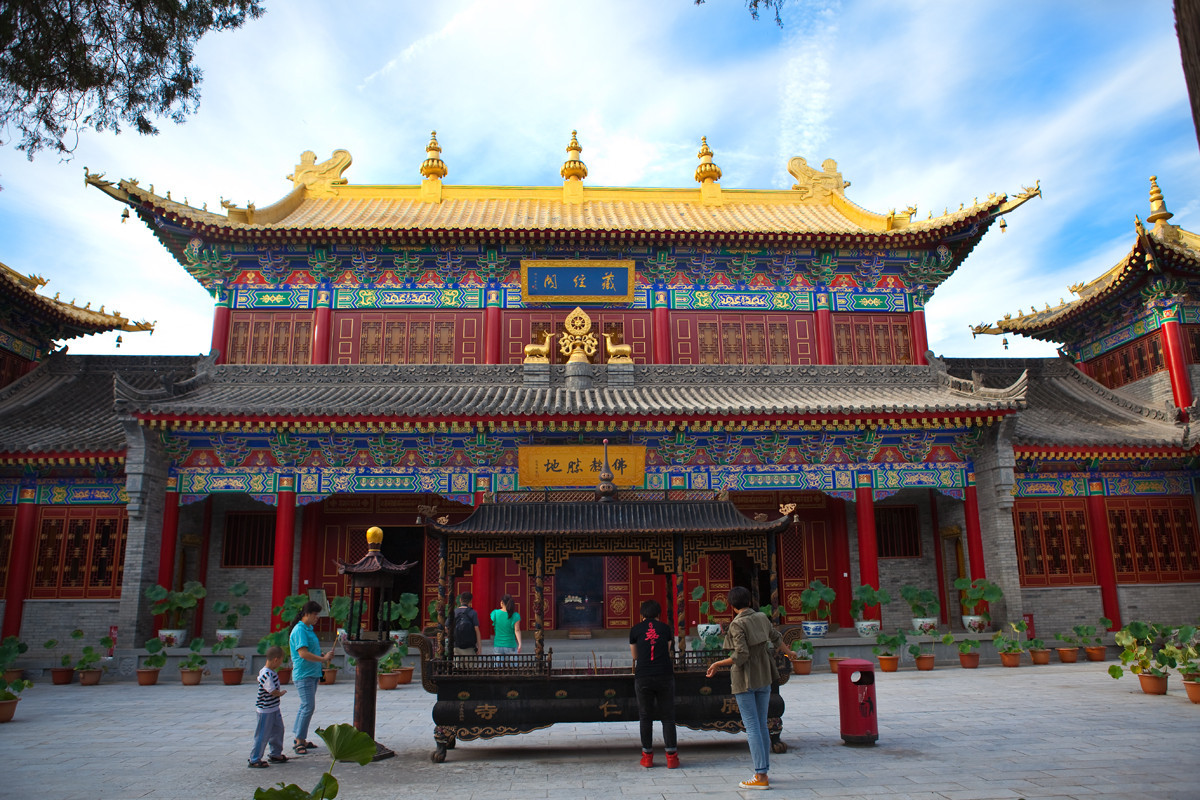
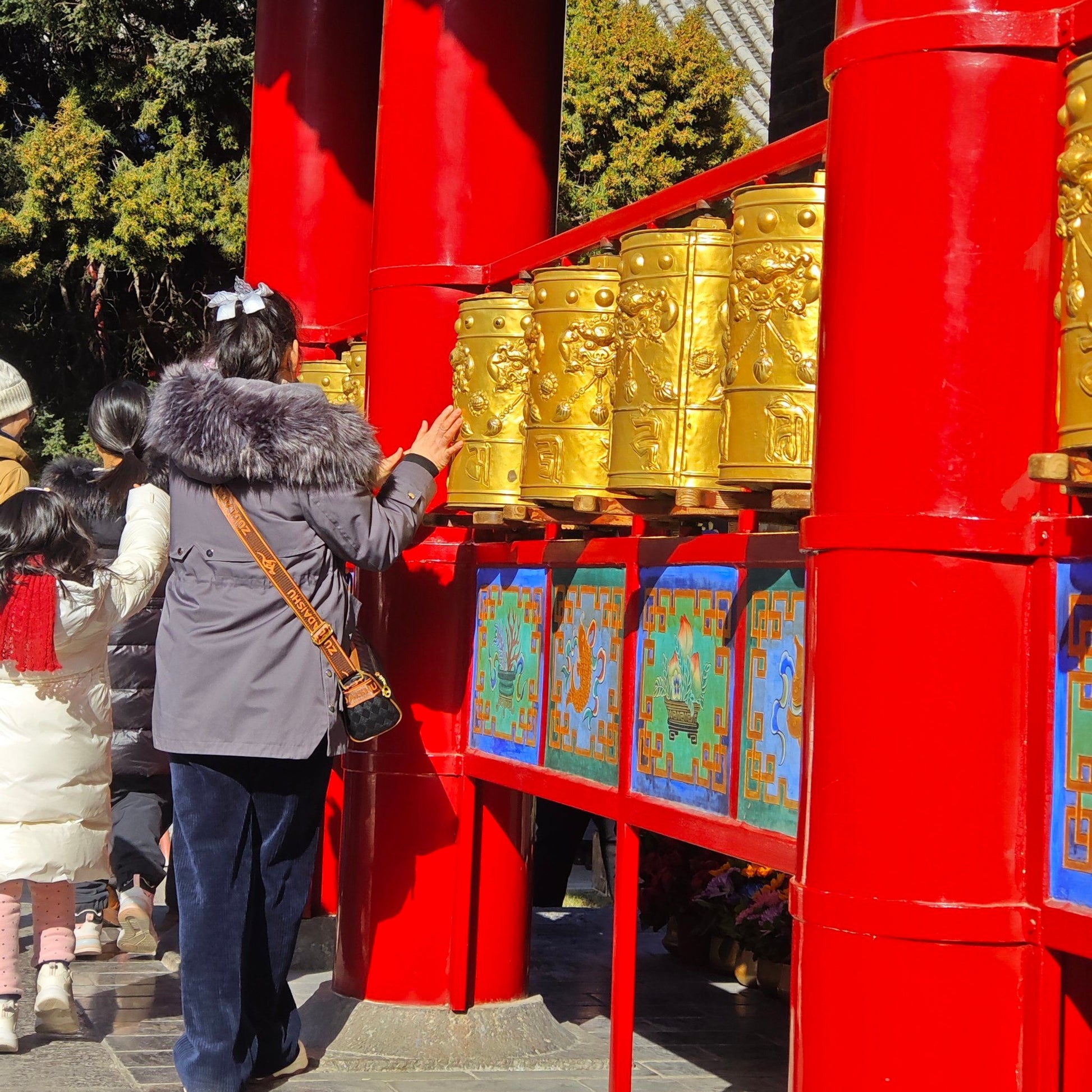
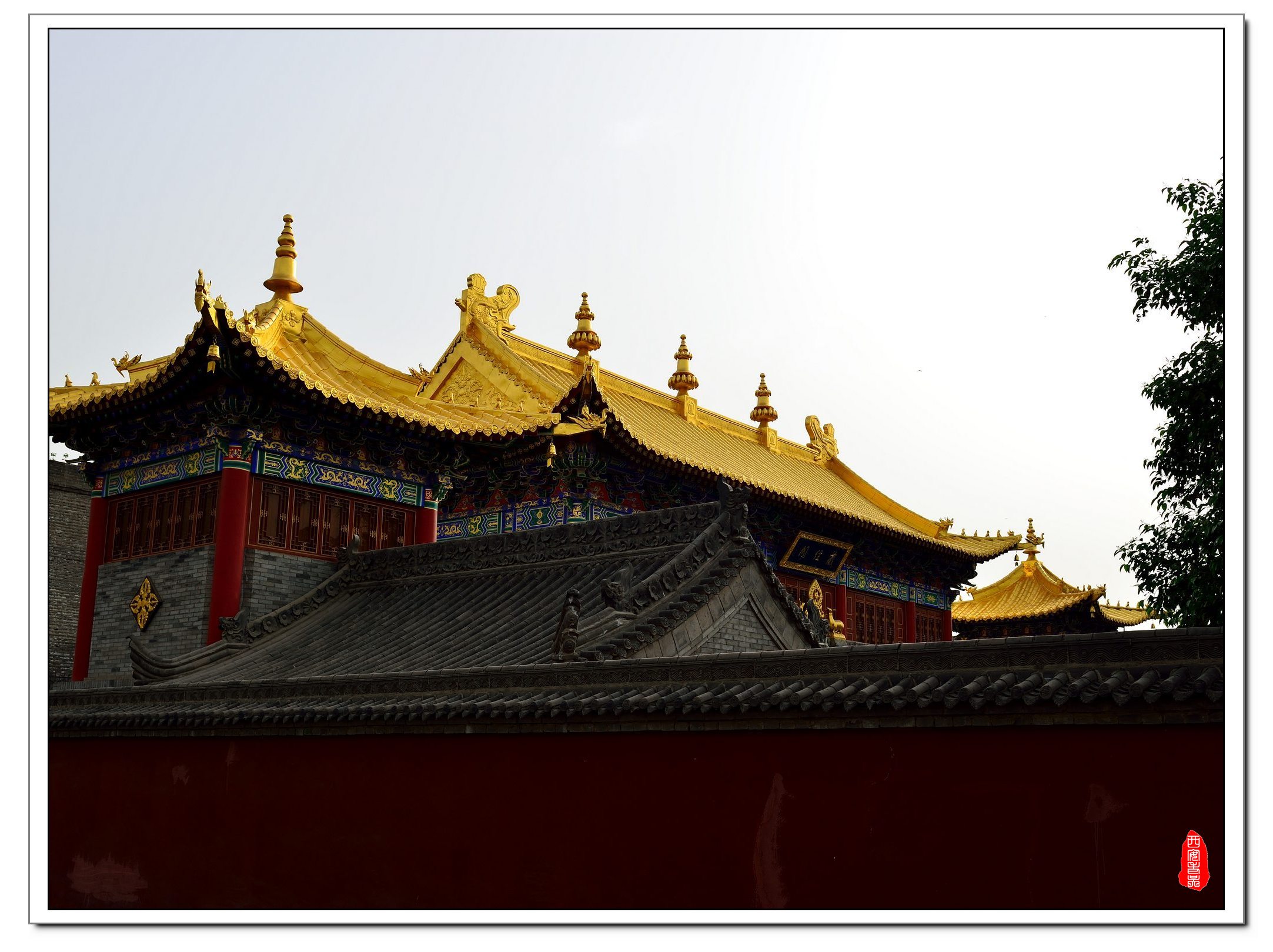
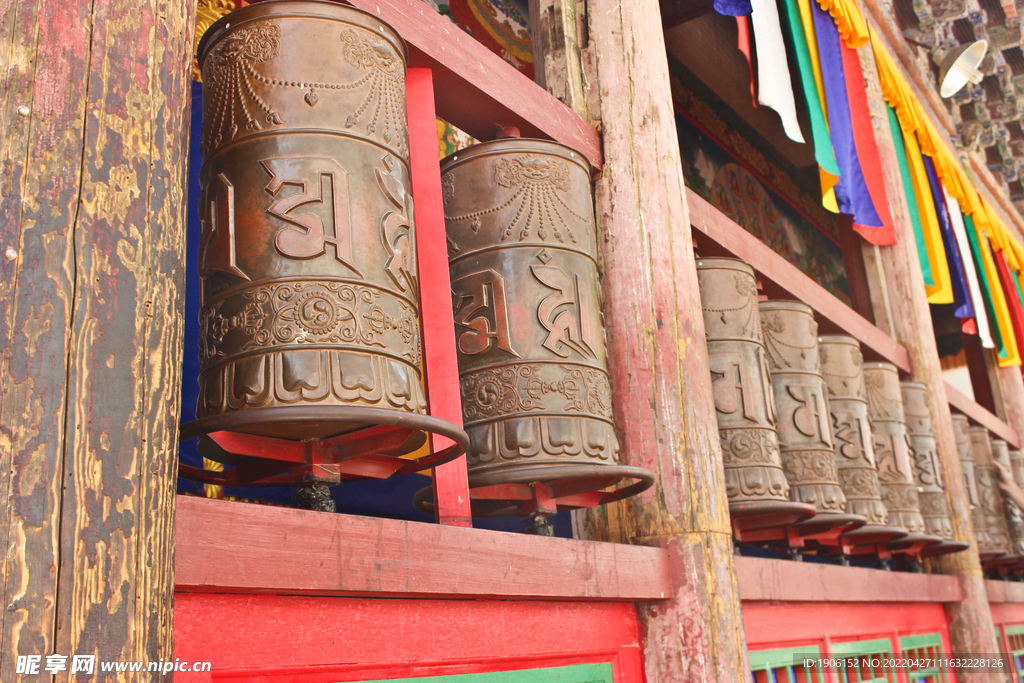
The visitor experience begins before you enter: red walls and gold roofline sit directly beneath the grey Ming ramparts, producing one of Xi'an's most striking architectural juxtapositions. Inside, the atmosphere shifts abruptly from the rest of the city — bright prayer flags flutter overhead, golden prayer-wheel corridors invite clockwise circumambulation, and the scent of butter lamps fills the air. The temple's celebrated "Eight Treasures" include Kangxi's imperial stele, housed in its own pavilion and recognised as a national-level artifact, and a dazzling 6.6-metre, two-ton gilded thousand-armed Guanyin from 2007, the largest Guanyin image in Shaanxi. The Green Tara Main Hall enshrines an exquisite Qing statue on a sandalwood pedestal, while the ever-burning butter lamp is said to have flickered unbroken since 1705.
In 2026, Guangren Temple remains one of Xi'an's most rewarding free attractions — uncrowded, compact and wholly unexpected amid the tourist crush of the Bell Tower and Muslim Quarter. It is open daily, from 7:30 to 18:00 in summer (May 1–Oct 7) and 8:00 to 17:30 in winter, with last entry half an hour before closing; the busiest days are the 1st and 15th of each lunar month, when devotees arrive in greater numbers. Its location inside the city wall makes it an easy add-on to a wall walk or a stroll through the old town, and its calm courtyards offer a meditative pause that few visitors to Xi'an think to seek out — all the more reason to go.
Highlights
Green Tara Main Hall
China's only sanctuary dedicated to Green Tara, the swift compassionate saviour; the exquisite Qing statue sits on a sandalwood pedestal.
Kangxi's Imperial Stele
The 1705 stele, its text composed and calligraphed by the Kangxi Emperor himself — a national-level artifact in its own pavilion.
Thousand-Armed Guanyin
A 6.6-metre, 2-ton gilded wood figure from 2007 — the largest Guanyin image in Shaanxi, dazzling in the first hall.
Prayer-Wheel Corridor
Rows of golden Tibetan-style wheels that visitors spin clockwise while walking — the most Tibetan corner of Xi'an.
The Ever-Burning Lamp
A butter lamp said to have burned unbroken since the temple's founding, tended in its own pavilion.
City-Wall Backdrop
Red walls and gold roofs directly beneath the grey Ming ramparts — a uniquely layered photo of two architectures.
Photo Gallery
Comments