 Travel in China
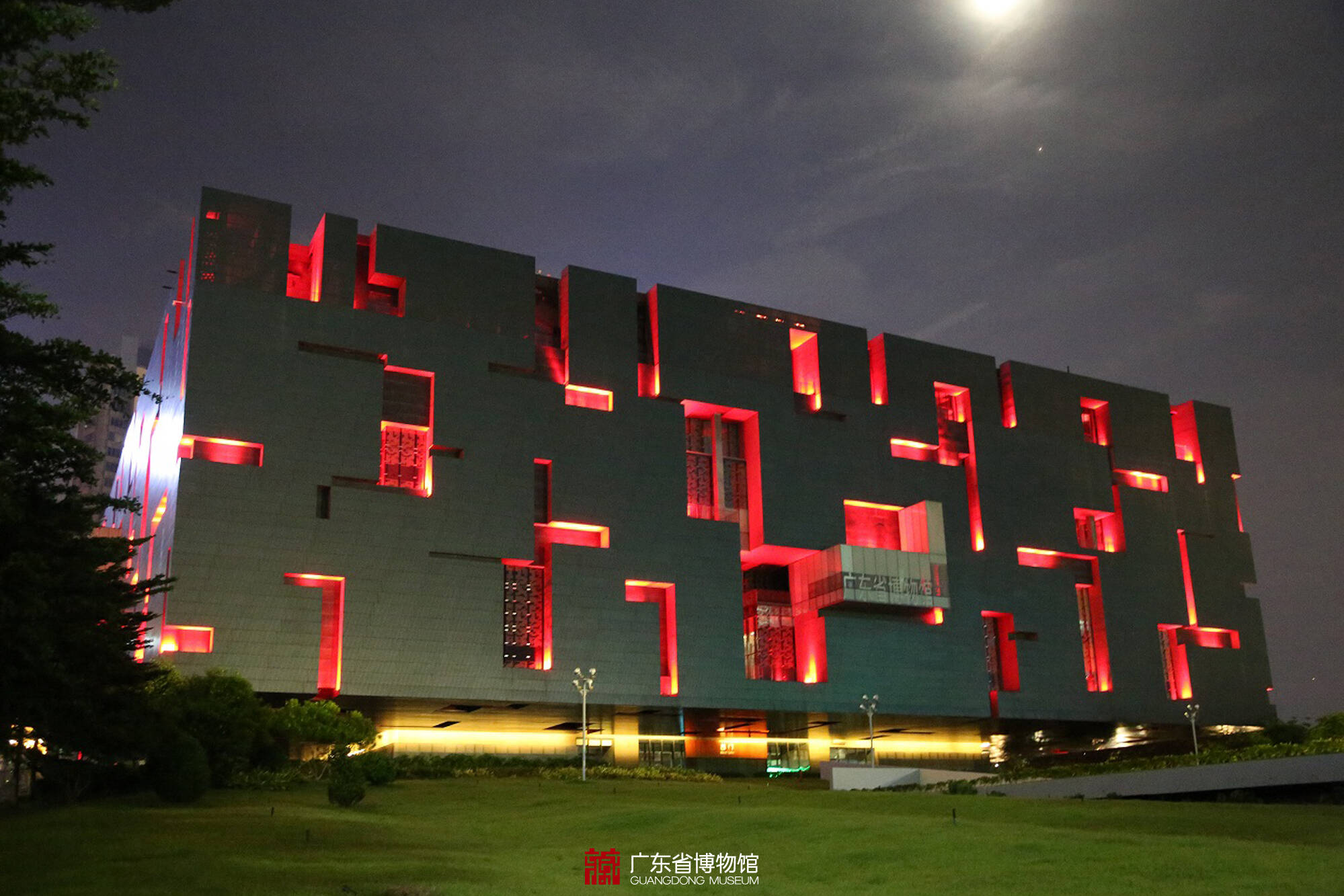
On the eastern flank of Flower City Square, the Guangdong Museum's crimson lattice box — nicknamed the 'Moonlight Treasure Box' — holds some 320,000 works: Cantonese trade history, Chaozhou gilded woodcarving, imperial ceramics, Duan inkstones and a whale shark suspended over dinosaur skeletons. Entry is free; the catch is a reservation system that releases tickets nightly at 22:00 for the coming week and sells out within minutes on weekends. Book sharp, then ride the lift to the fourth floor and walk down through Lingnan's canon.
Dive deeper: full travel guide · transport & map · where to stay & book
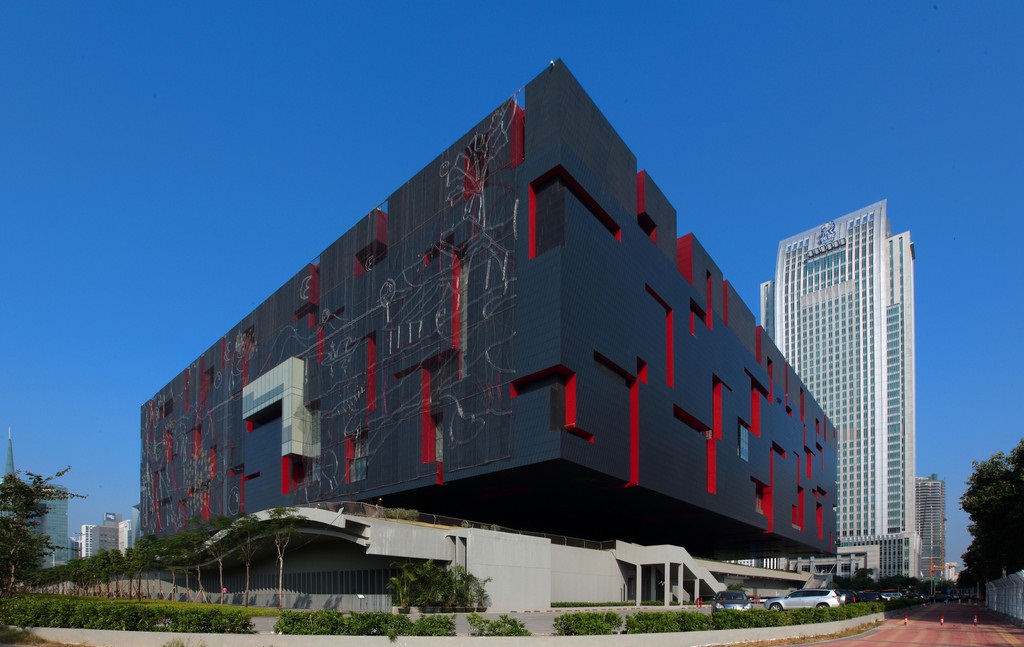
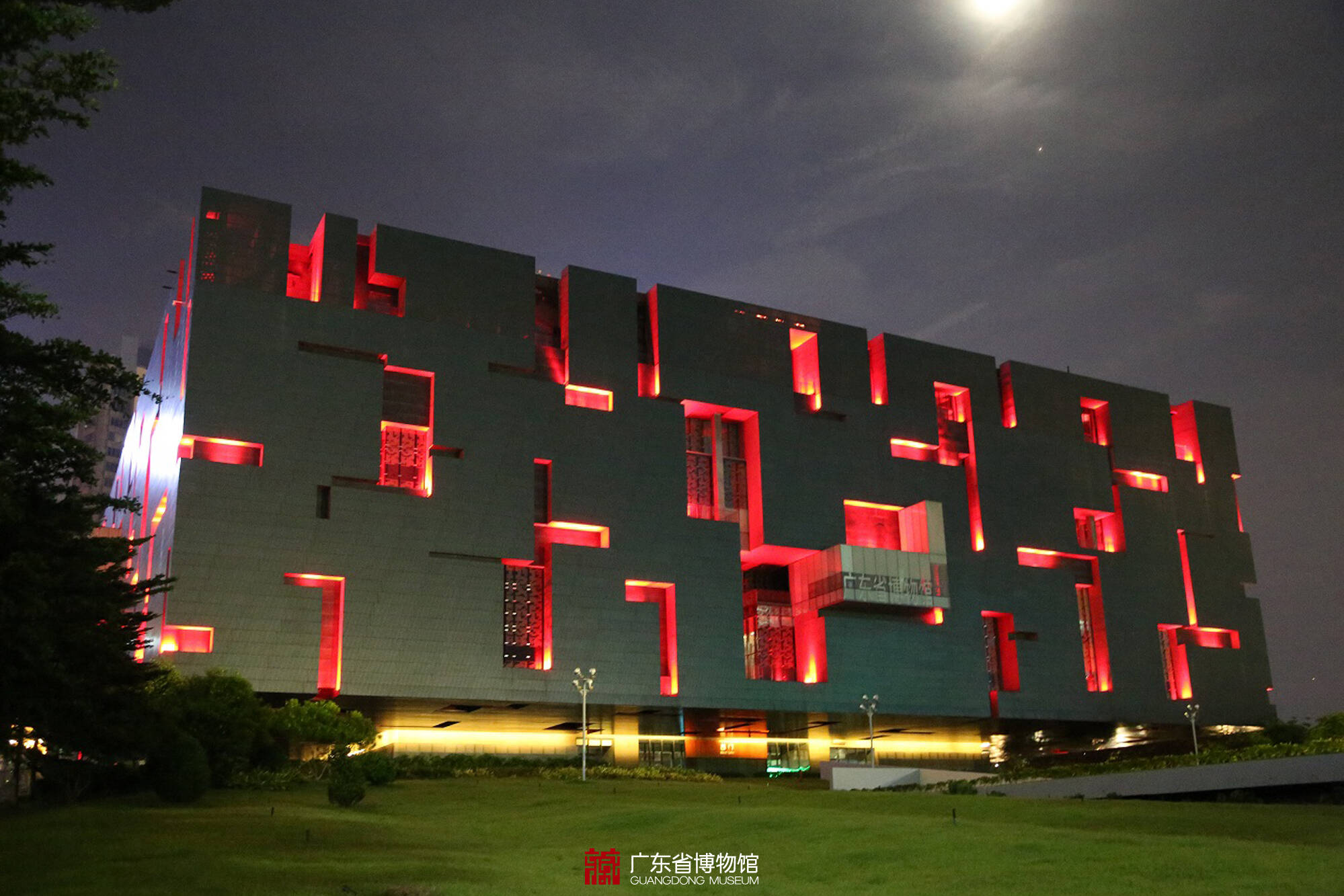
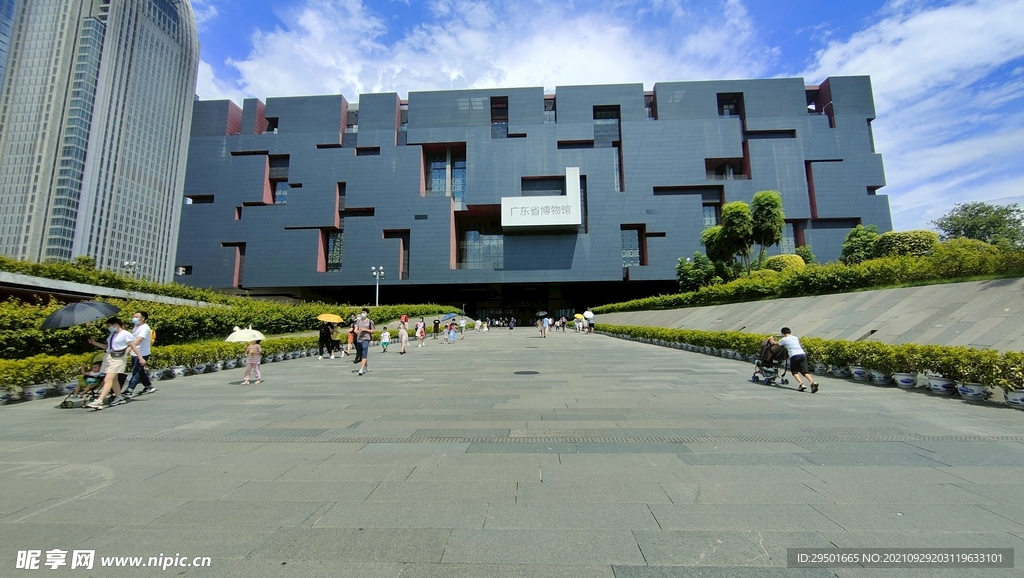
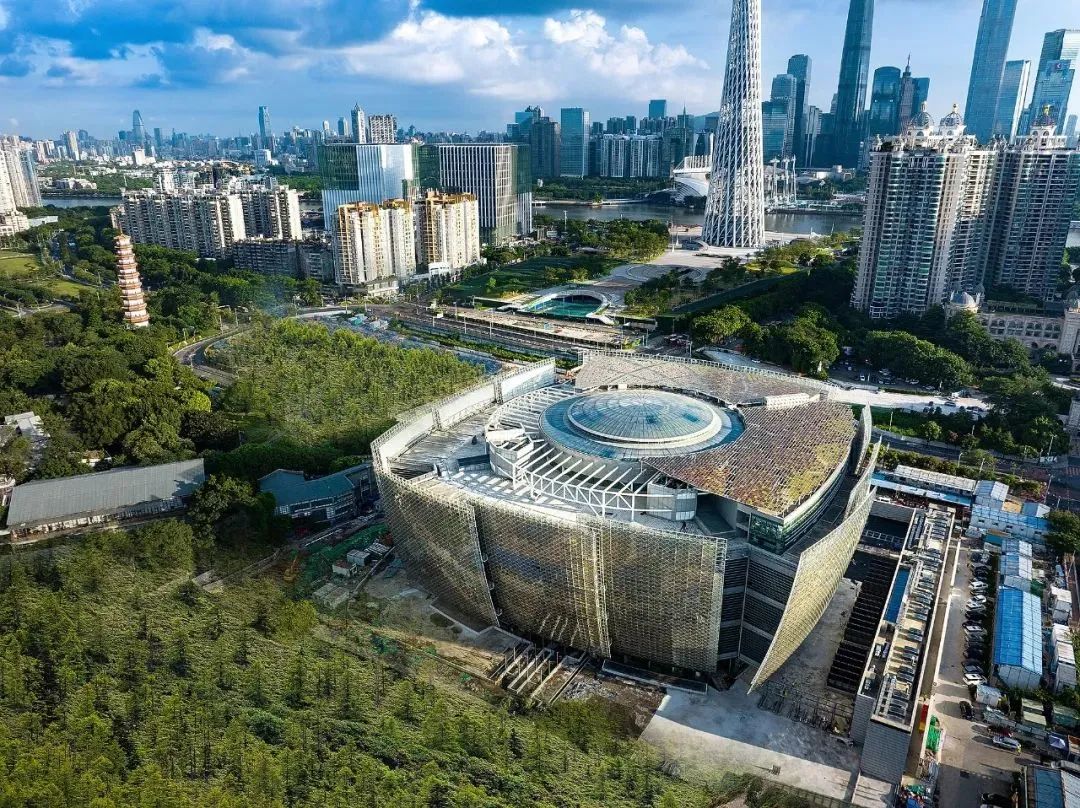
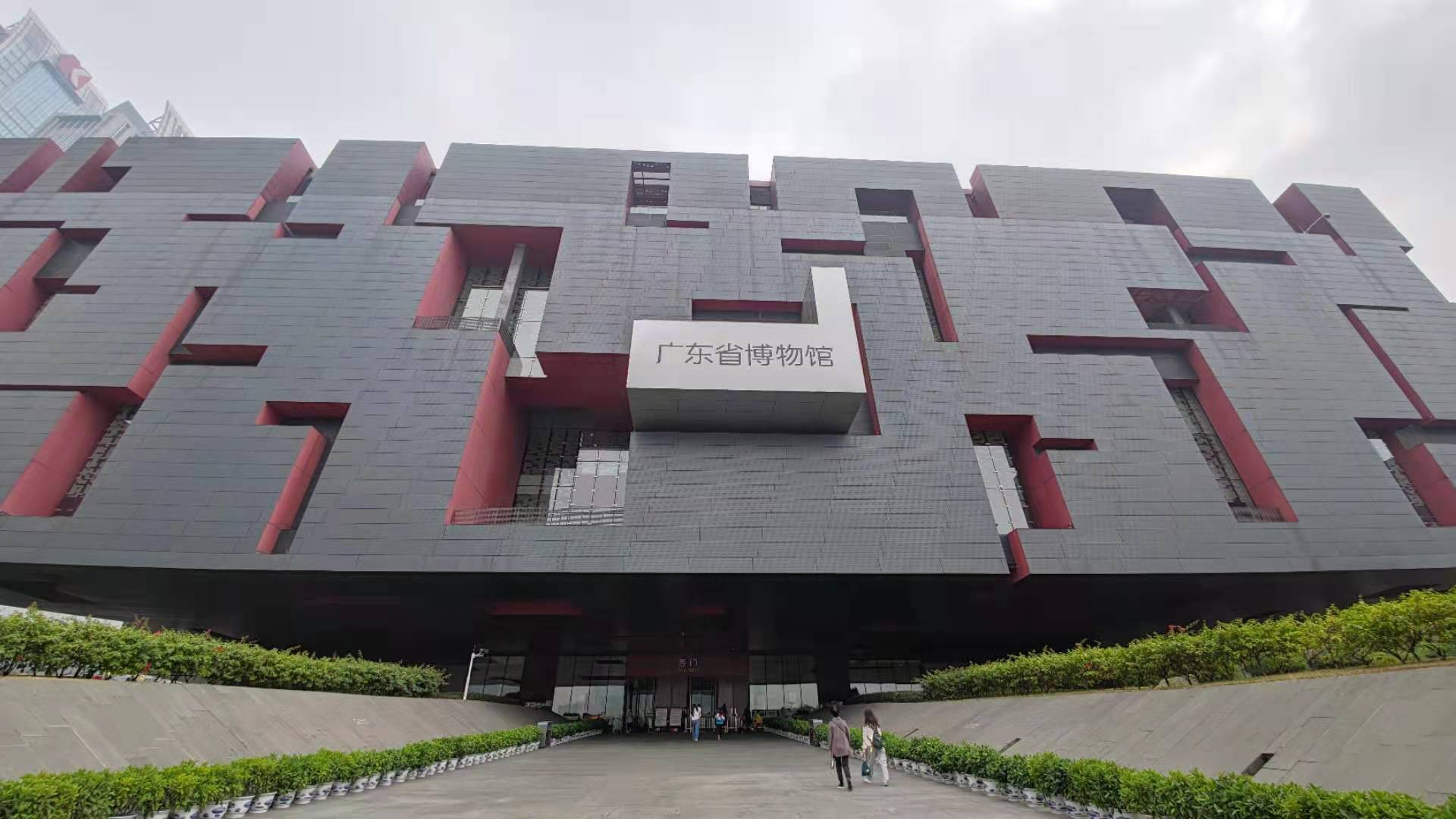
The Guangdong Museum was founded in 1957 and opened in 1959 on Wenming Road, on the campus of the old Sun Yat-sen University. Half a century later it moved east across the river into the new CBD, reopening in 2010 in a building by Rocco Design nicknamed the 'Moonlight Treasure Box' — a crimson bronze-lattice cube that appears to float above the plaza. The collection has since grown to some 320,000 objects, from Neolithic ceramics and maritime-trade cargoes to stuffed megafauna. Free admission has made it one of mainland China's most-visited museums, run with a timed-entry discipline more often associated with airports than art.
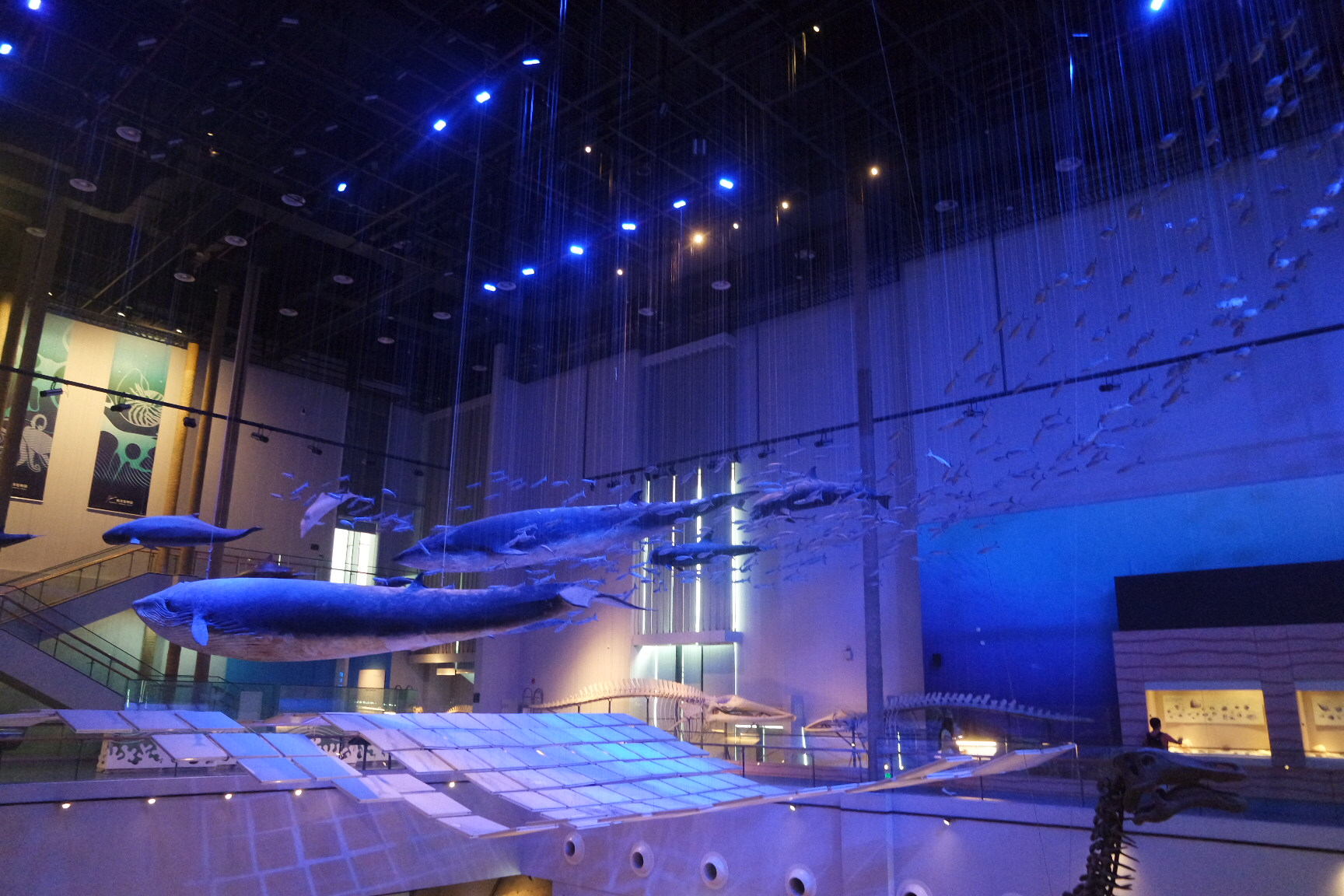
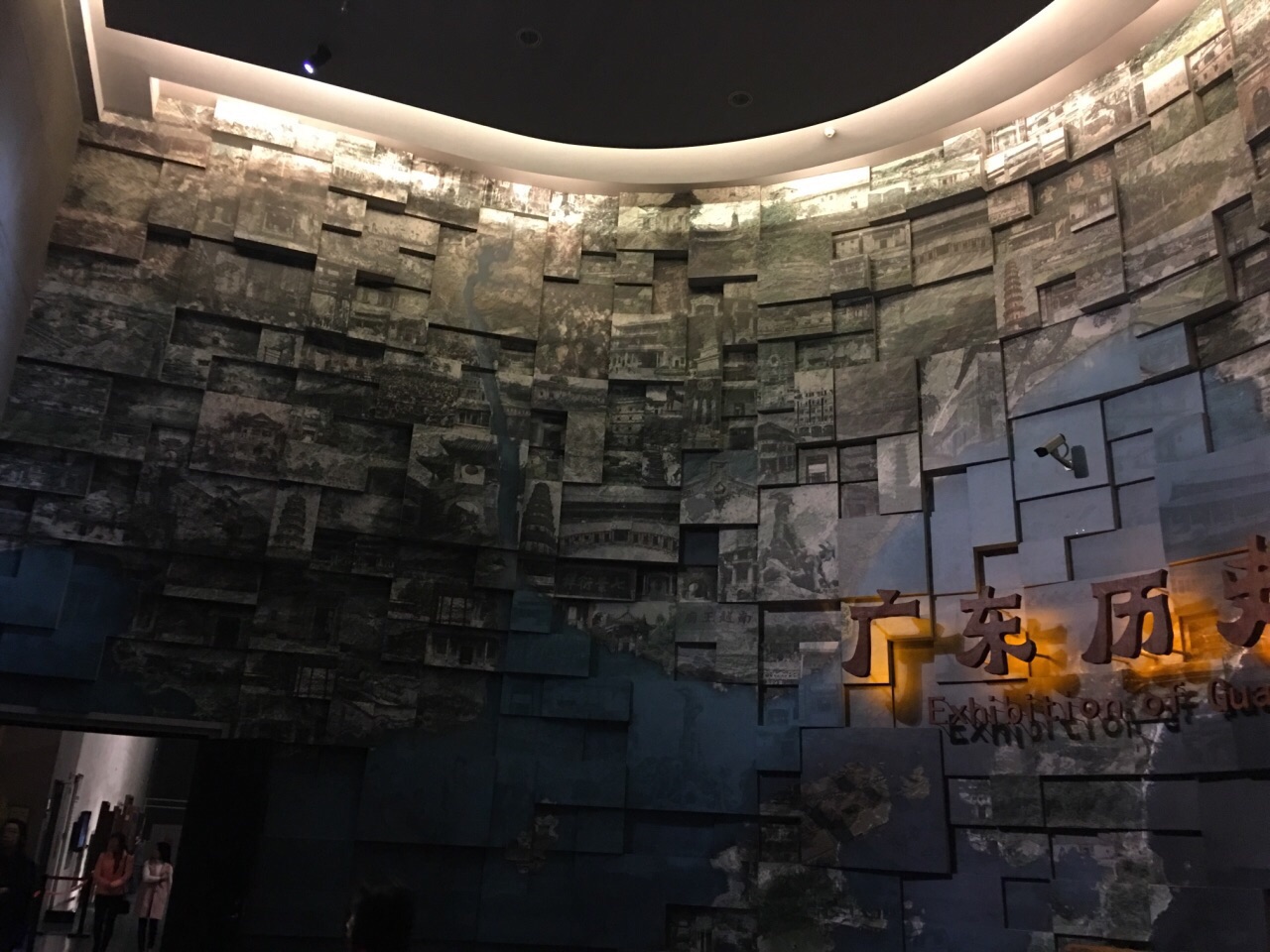
Five permanent galleries make a satisfying descent from the top floor. The history-and-culture hall anchors the visit with Guangdong's thousand-year trade story — export porcelain, silver, and the bronze drums of southern chiefs. The Chaozhou gilded woodcarving gallery is the museum's soul: screens, shrine cabinets and miniature opera stages carved, pierced and gilded with astonishing density. Ceramics track a score of famous kilns; the Duan inkstone room displays the scholar's stones of Zhaoqing's quarries; and the natural-history floor suspends a whale shark above dinosaur skeletons, the museum's single most photographed moment. The standard route runs top-down, so take the escalators to level four and work your way to the gift shop.
In 2026 the museum remains free but strictly reservation-only: tickets for the coming seven days are released nightly at 22:00 on the official WeChat account — roughly 25,000 slots a day, one booking per person every 14 days, and a 90-day ban after two no-shows. July and August extend hours to 21:00, making summer evenings the easiest entry; otherwise aim for a weekday morning slot and join the 9:00 queue. The year's international blockbusters — loans from the State Hermitage and a Rodin sculpture season — draw their own queues, but a special-exhibition ticket admits you without the lottery. Book only through the museum's own channels; its service line for booking problems is 020-38046877.
Highlights
'Moonlight Treasure Box' Building
The 2010 landmark by Rocco Design — a bronze-and-crimson lattice cube floating above Flower City Square's east side.
Chaozhou Gilded Woodcarving
An entire hall of lacquered, gold-leaf carving — pierced screens, crab baskets and miniature stages, the summit of Lingnan craft.
Whale Shark & Dinosaur Halls
The natural-history floor suspends a bus-length whale shark over dinosaur skeletons — the museum's most photographed sight.
Duan Inkstone Gallery
Inkstones from Zhaoqing's Duan quarries, carved stones scholars prized like jade for a thousand years.
Maritime Silk Road & Bronze Drums
Shipwreck cargoes, export ware and the great bronze drums of southern chiefs — Guangzhou's trade with the world, Han to Qing.
2026 International Blockbusters
A headline year: loans from the State Hermitage and a Rodin sculpture season — timed tickets that also admit the permanent galleries.
Photo Gallery
Comments