 Travel in China
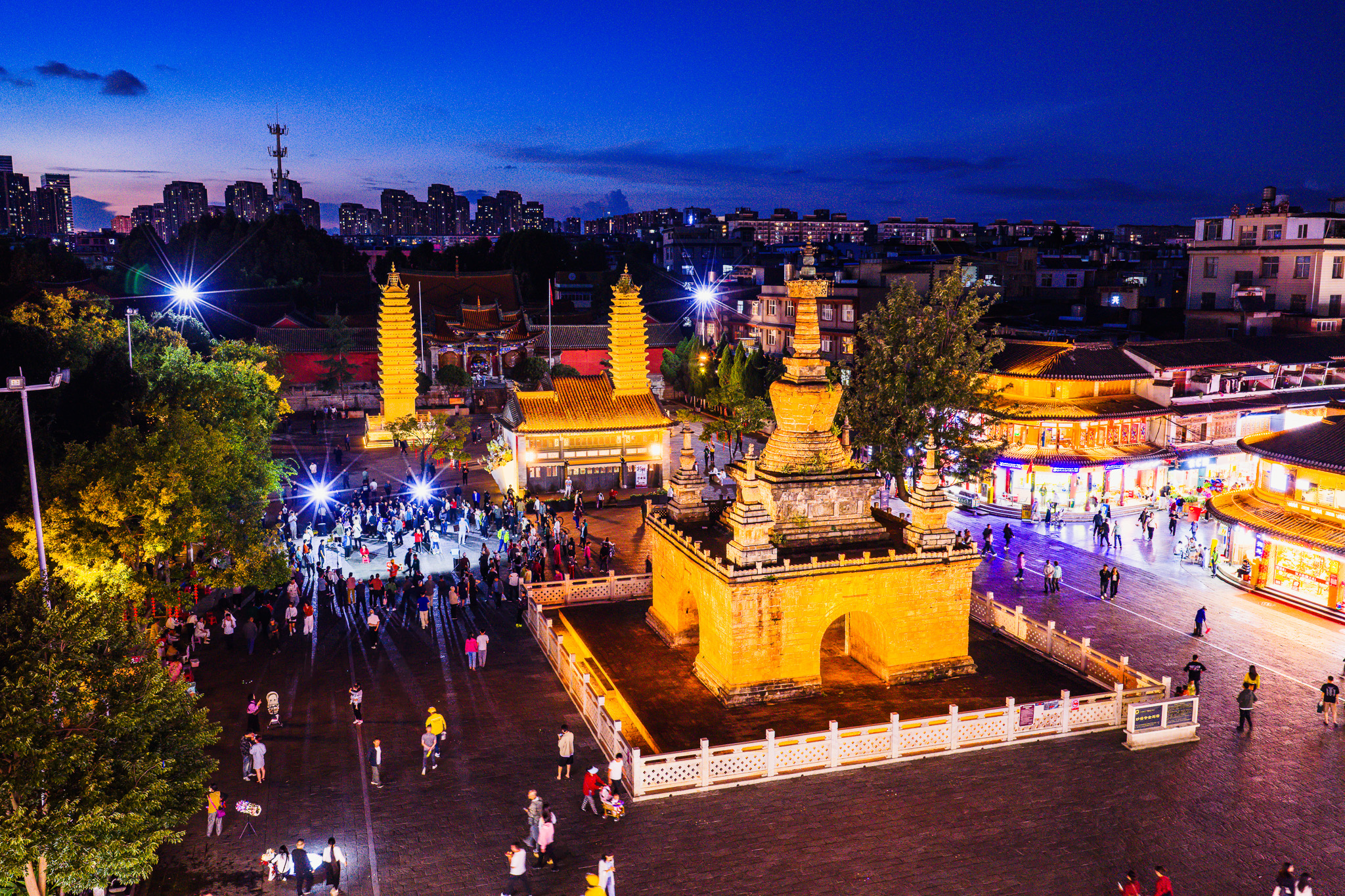
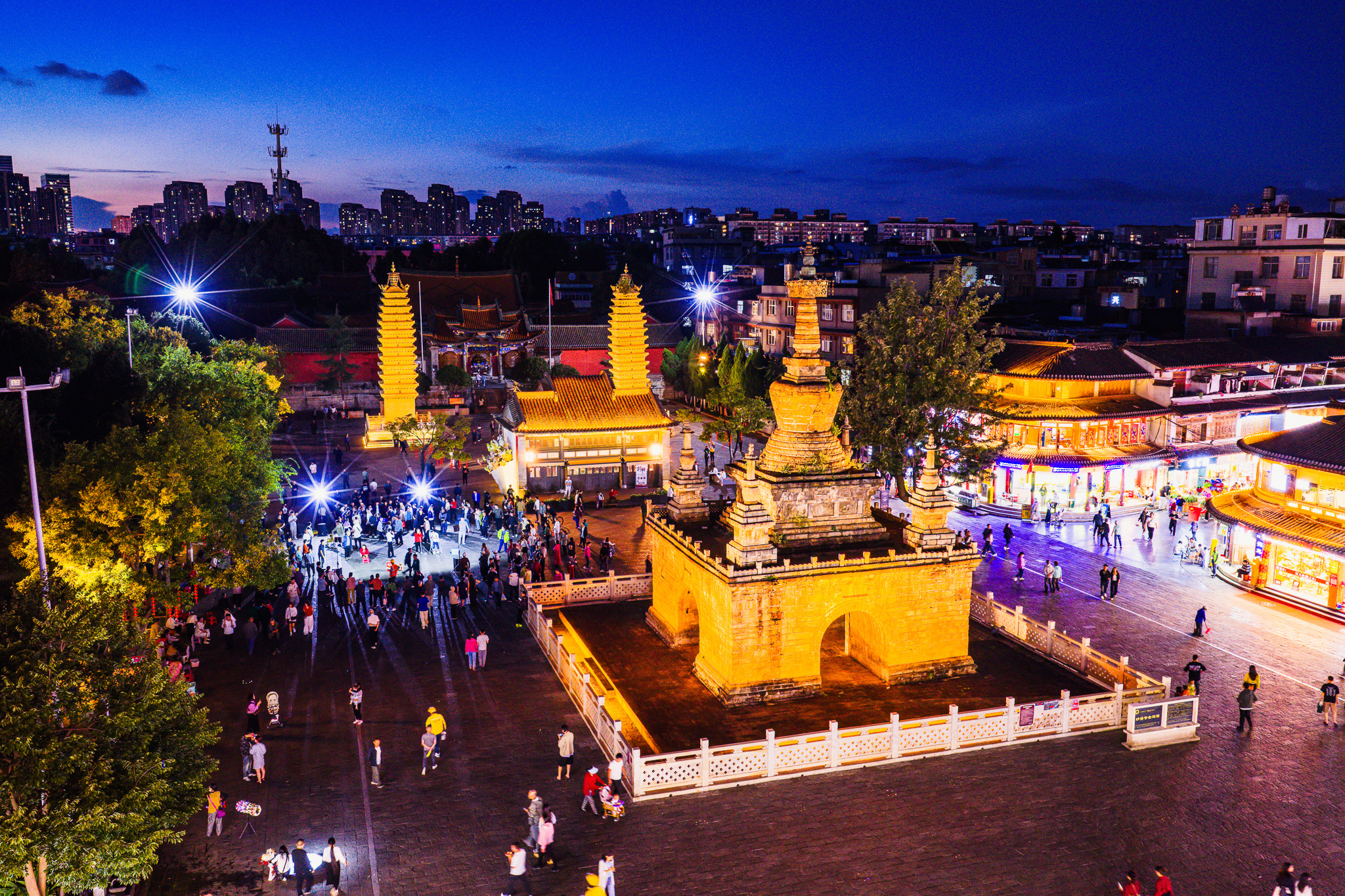
Guandu Ancient Town — Kunming's best-preserved old market town on the Baoxiang River, crowned by China's earliest all-sandstone vajra pagoda (1457) and lanes sizzling with baba flatbread.
Dive deeper: full travel guide · transport & map · where to stay & book
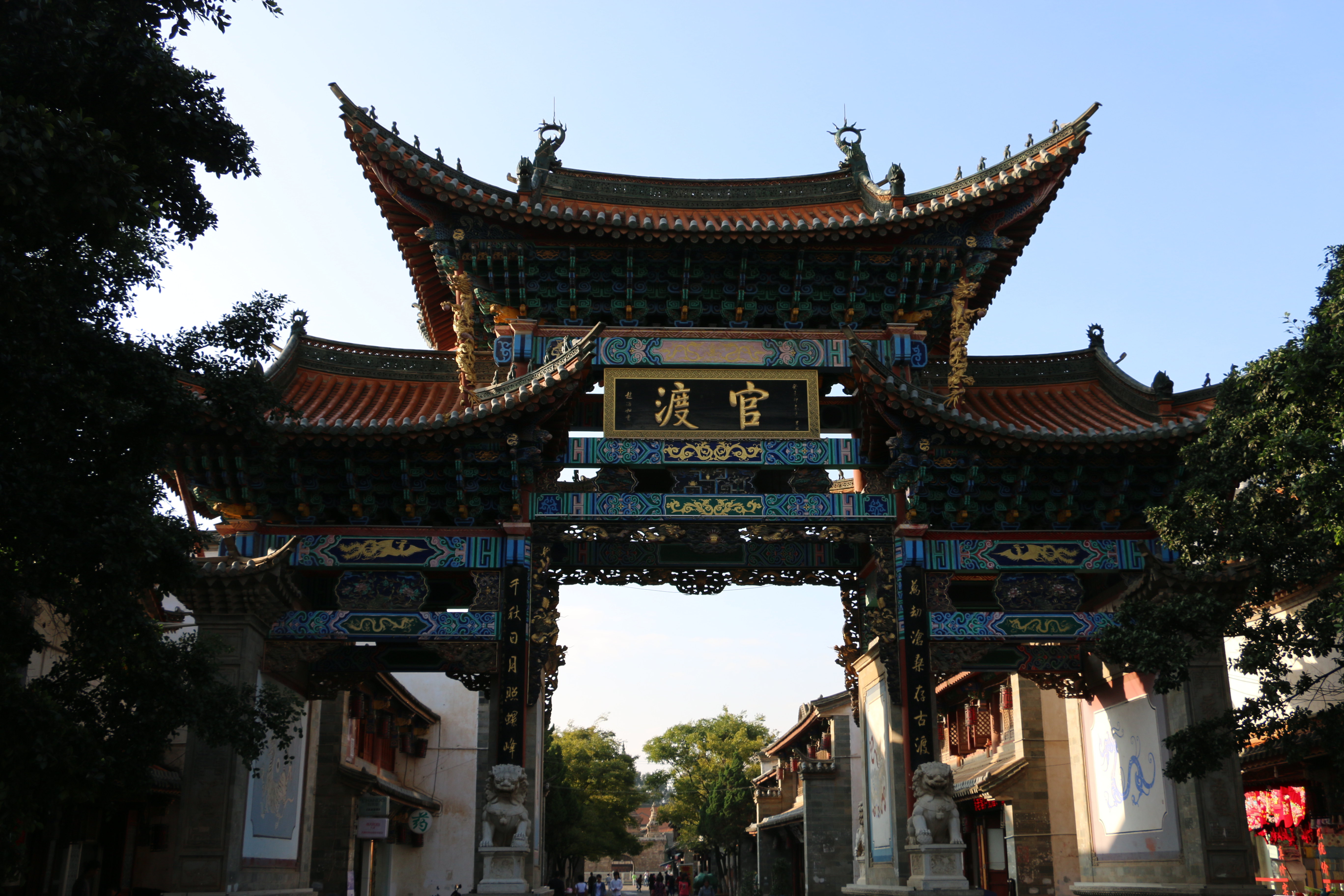
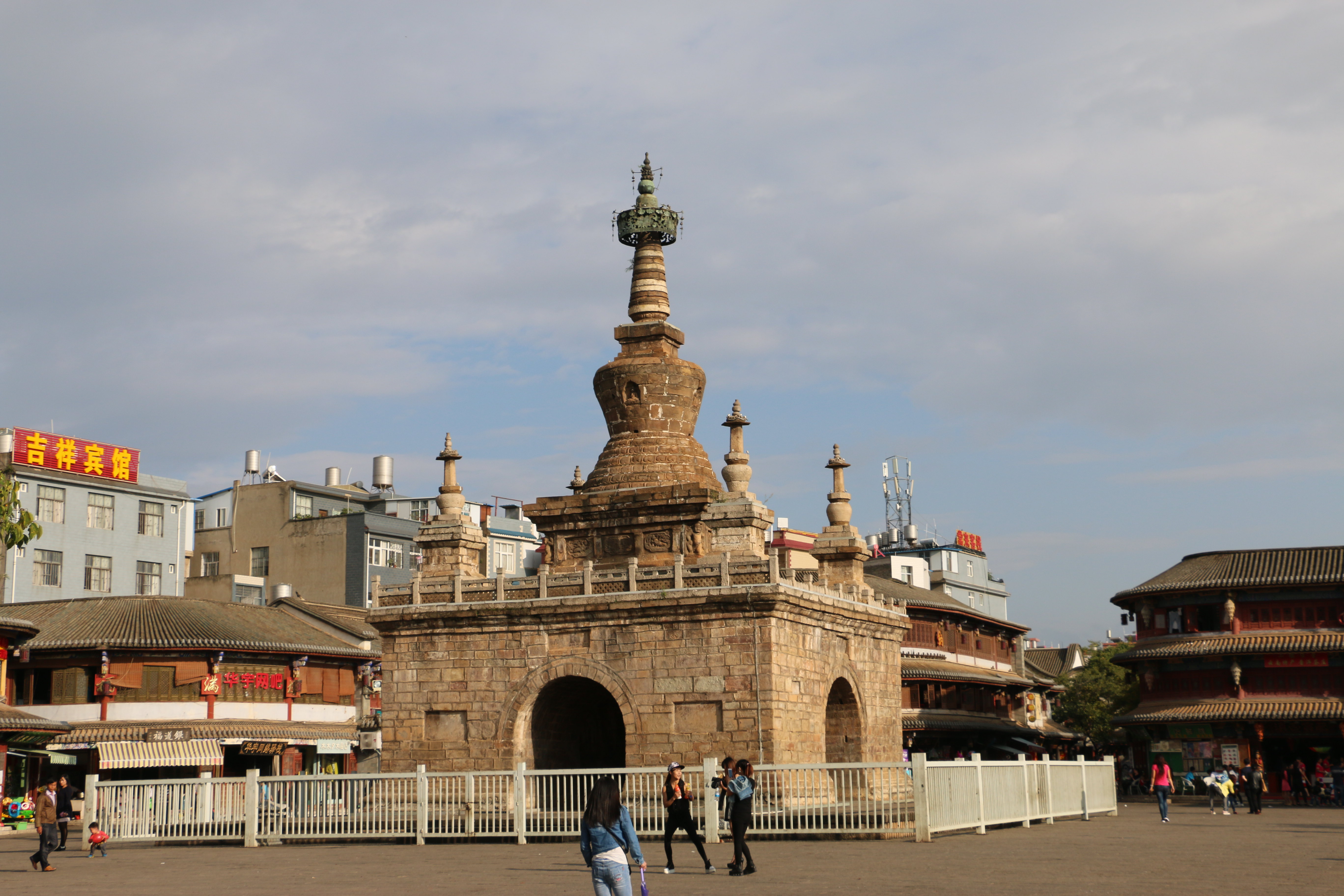
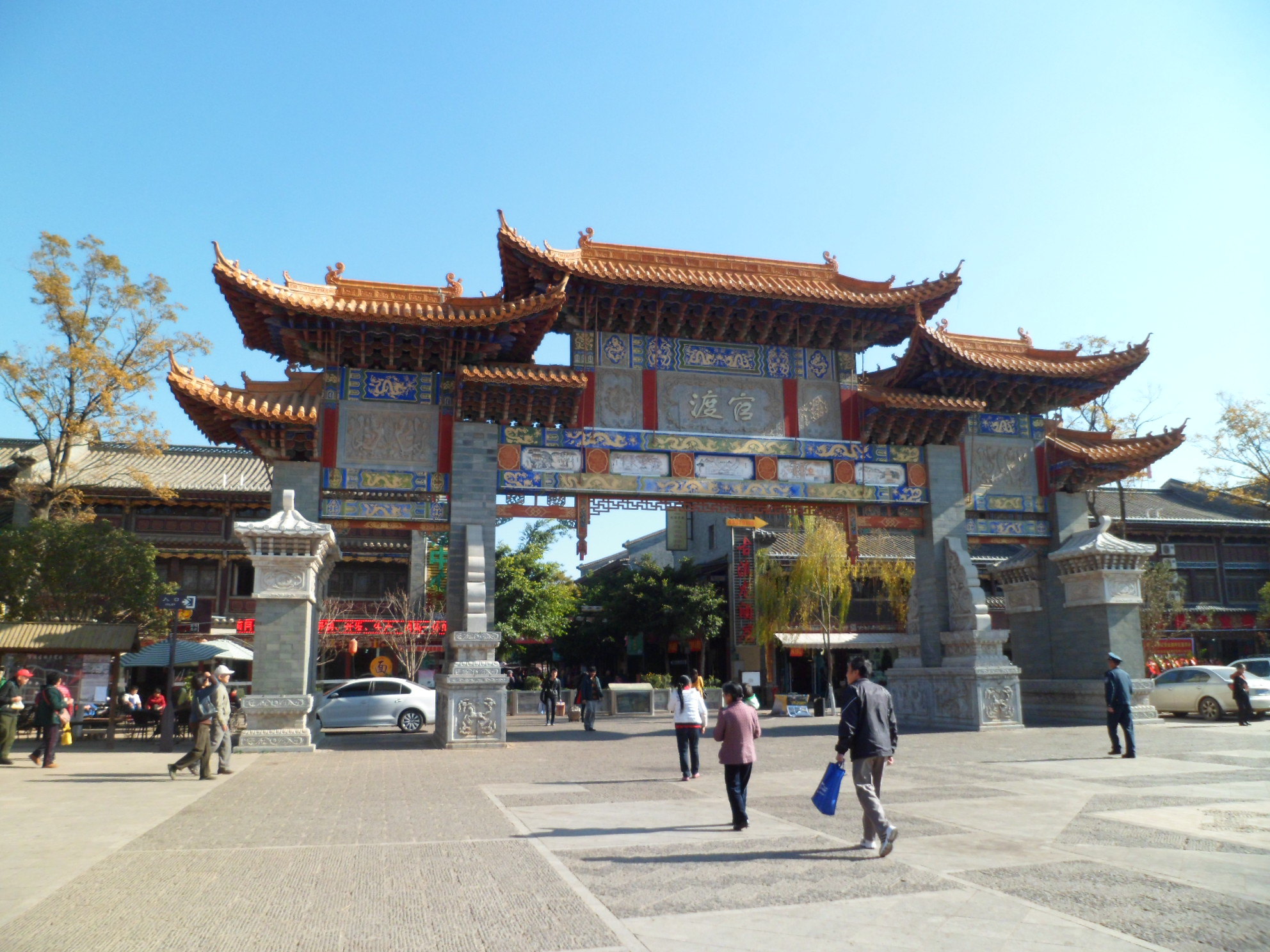
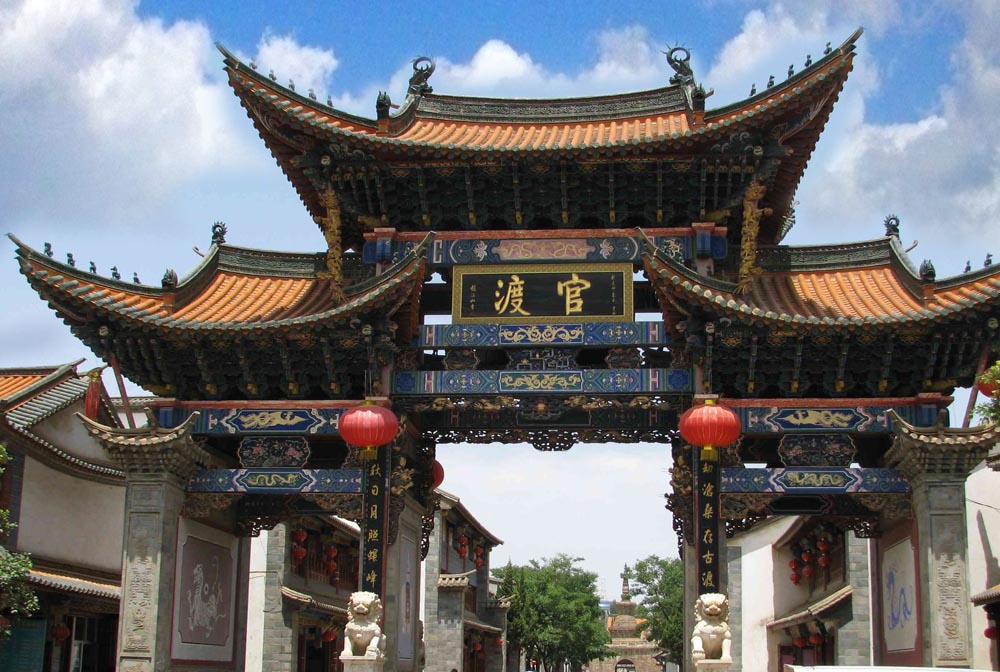
Guandu is Kunming's best-preserved old market town, a 4A-rated quarter on the Baoxiang River near Dianchi's northern shore, barely seven kilometres from downtown yet a world away in tempo. Its name — 'Official Ferry' — records its origin as the lake port where boatmen once crossed to the provincial capital; the trading wharf grew into a Buddhist center crowded with temples, crowned by the Miaochan Temple Vajra Pagoda. That pagoda, raised in 1457–1458 during the Tianshun reign, is China's earliest surviving all-sandstone diamond-seat pagoda, its main spire 16 metres high on a square base carved with five Buddhas, standing dead-center in the town square since the Ming.
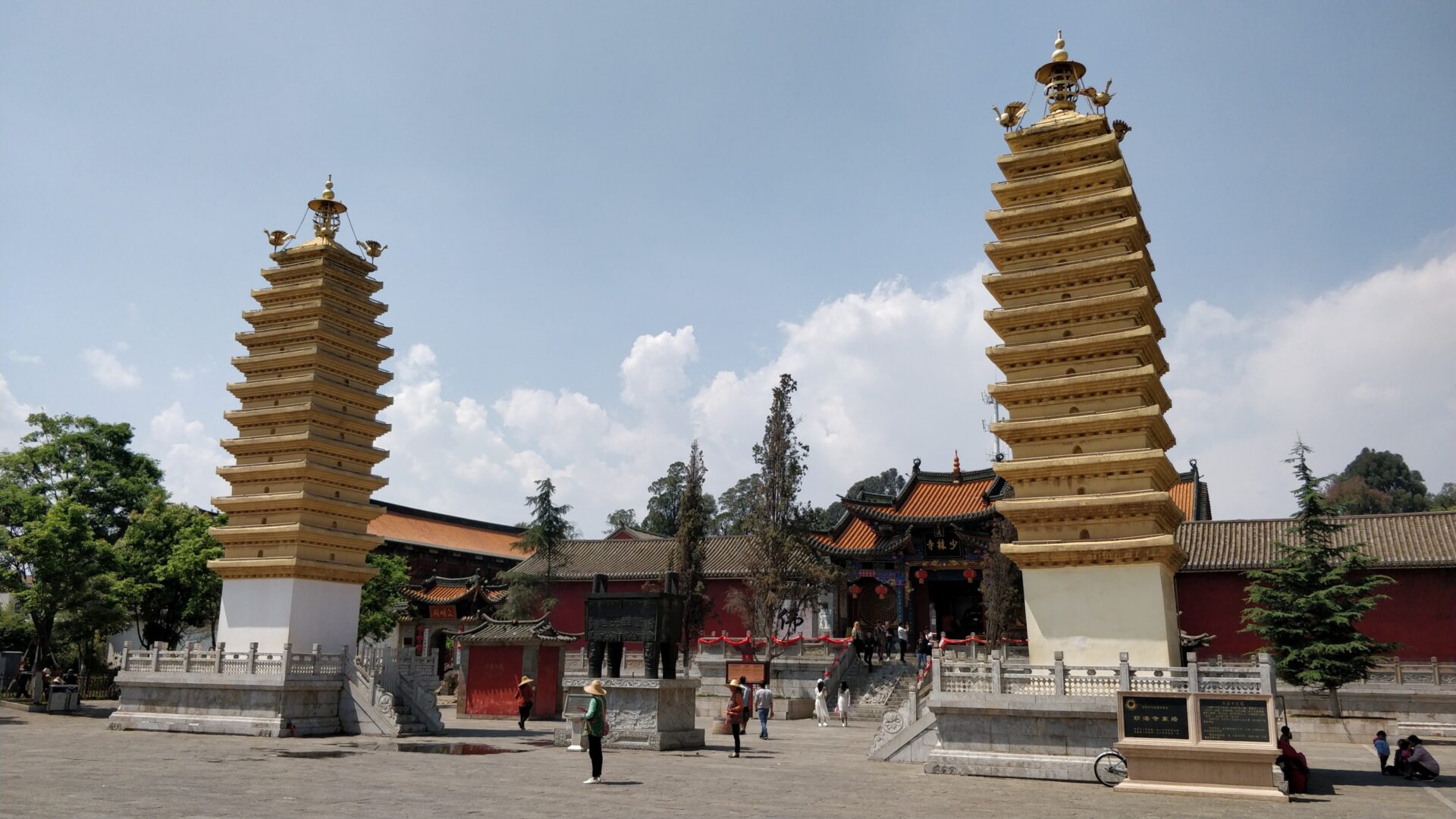
Around it survive the Yuan-era Miaochan Temple, Tudzhu (Local Lord) Temple, Fazding Temple, the twin 13-storey brick pagodas, opera stages, and lanes of old shops built with mud mixed with lake snail shells — the old ferry-town fabric intact. The temples carry deep history: Miaochan founded in 1290 (Yuan) and rebuilt in 1325, chief of Guandu's six temples; Tudzhu a Tang-origin shrine with an opera stage facing the altar; Fazding a Song-era temple celebrated for its wood carvings. Streets stay open around the clock, temple halls roughly 09:00–17:00, and snack shops from 09:00 to 21:00, with evenings the liveliest.
Today the alleys sizzle with Guandu baba flatbread (a 300-year-old recipe), pea-starch jelly, erkuai rice cakes and mu'er'er sweet soup, monks serve famously cheap vegetarian meals at the temple, and working shops demonstrate Yunnan-style inner-painted snuff bottles, dough figurines and rubbings with hands-on experiences running ¥30–80. The town makes an easy, atmospheric half-day paired with the Yunnan Provincial Museum next door — the museum's east gate a ten-minute walk up Yunxiu Road, connected by the ¥1 shuttle from Xingyao Road station — and festival days (庙会) bring lion dances and intangible-heritage performances to the pagoda square.
Highlights
Miaochan Vajra Pagoda (金刚塔)
China's earliest surviving diamond-seat pagoda built entirely of sandstone (1457–58, Ming Tianshun era): a 16-metre main tower over a passable base carved with five Buddhas — Guandu's spiritual centerpiece on the main square.
Miaochan Temple & Twin Pagodas
Founded in 1290 (Yuan) and rebuilt in 1325, chief of Guandu's six temples, fronted by two 13-storey brick pagodas; temple vegetarian lunches are famously cheap.
Old Ferry-Town Lanes
Walls bonded with mud and crushed lake-snail shells, Qing shophouses, opera stages at Tudzhu and Fazding temples — the living fabric of a Dianchi market town.
Guandu Baba & Street Snacks
Fresh-griddled baba flatbread stuffed with bean paste or meat (a 300-year-old local recipe), pea-starch jelly (wandoufen), erkuai rice cakes, and mu'er'er sweet soup along the snack streets.
Intangible Heritage Crafts
Working shops demonstrate Yunnan-style inner-painted snuff bottles, dough figurines, and rubbings; hands-on craft experiences run ¥30–80.
Pairs with the Provincial Museum
The Yunnan Provincial Museum stands a 10-minute walk up Yunxiu Road — the standard morning-museum, afternoon-old-town circuit.
Photo Gallery
Comments