 Travel in China
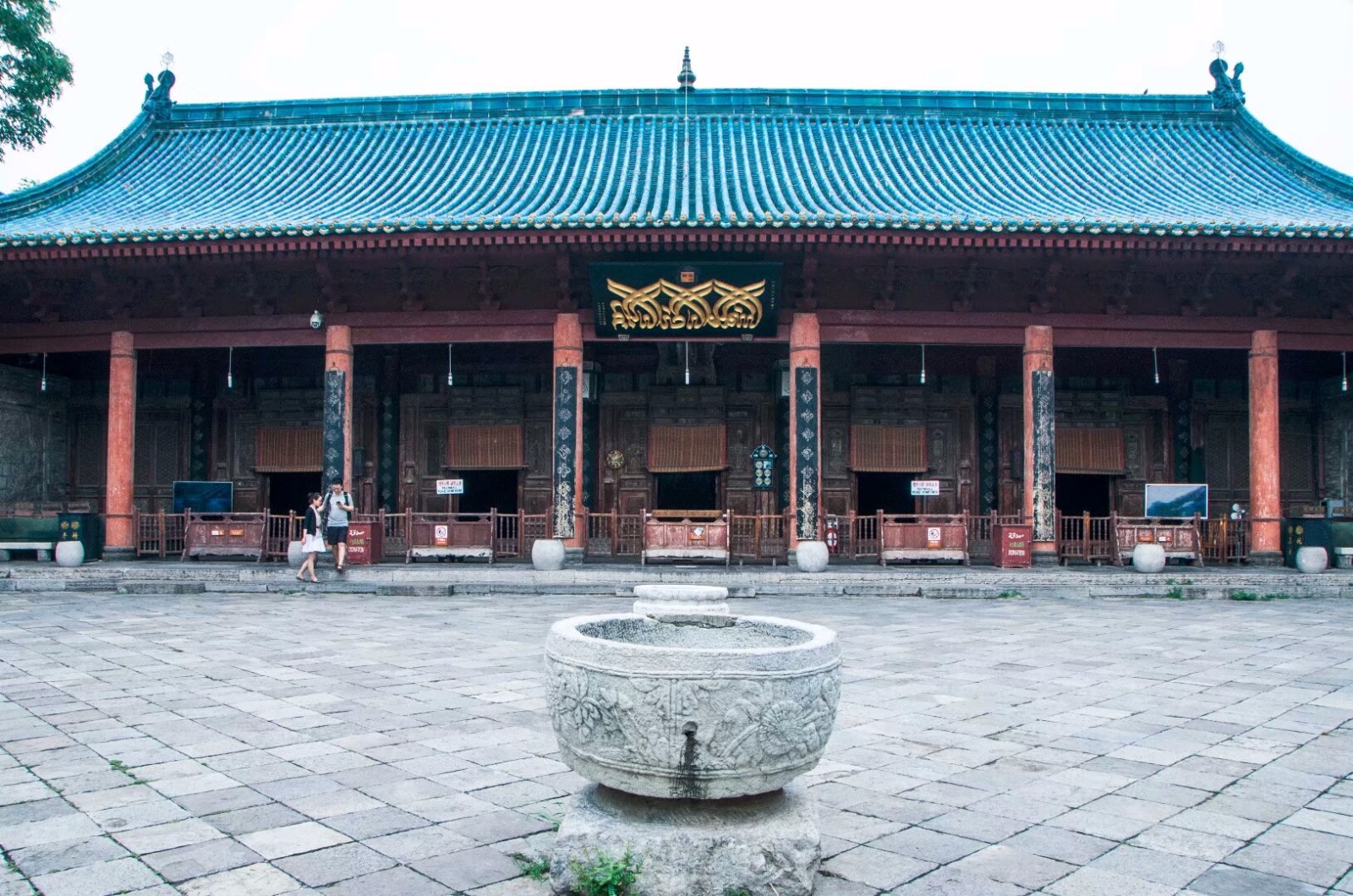
Hidden deep in the Huajue Lane of the Muslim Quarter, the Great Mosque is one of the oldest and most remarkable mosques in China — a Tang-era foundation rebuilt in Ming 1392, laid out like a classical Chinese garden rather than a Middle-Eastern mosque. Four serene courtyards of pavilions, steles and ancient trees unfold toward a grand prayer hall, where Arabic inscriptions are carved into Chinese joinery and the minaret is an octagonal pagoda.
Dive deeper: full travel guide · transport & map · where to stay & book
Hidden away in the quiet depths of Huajue Lane, steps from the bustle of Xi'an's celebrated Muslim Quarter, the Great Mosque stands as one of the oldest and most remarkable Islamic monuments in China. Tradition holds that it was founded in the Tang dynasty, when Arab and Persian merchants arrived along the Silk Road and settled in the capital, then known as Chang'an. The mosque took its present form in 1392, during the reign of the first Ming emperor, when it was comprehensively rebuilt. More than six centuries later, its Ming-era fabric survives intact, making it both a working house of worship and a living record of Islam's long, deep-rooted presence in the heart of inland China.
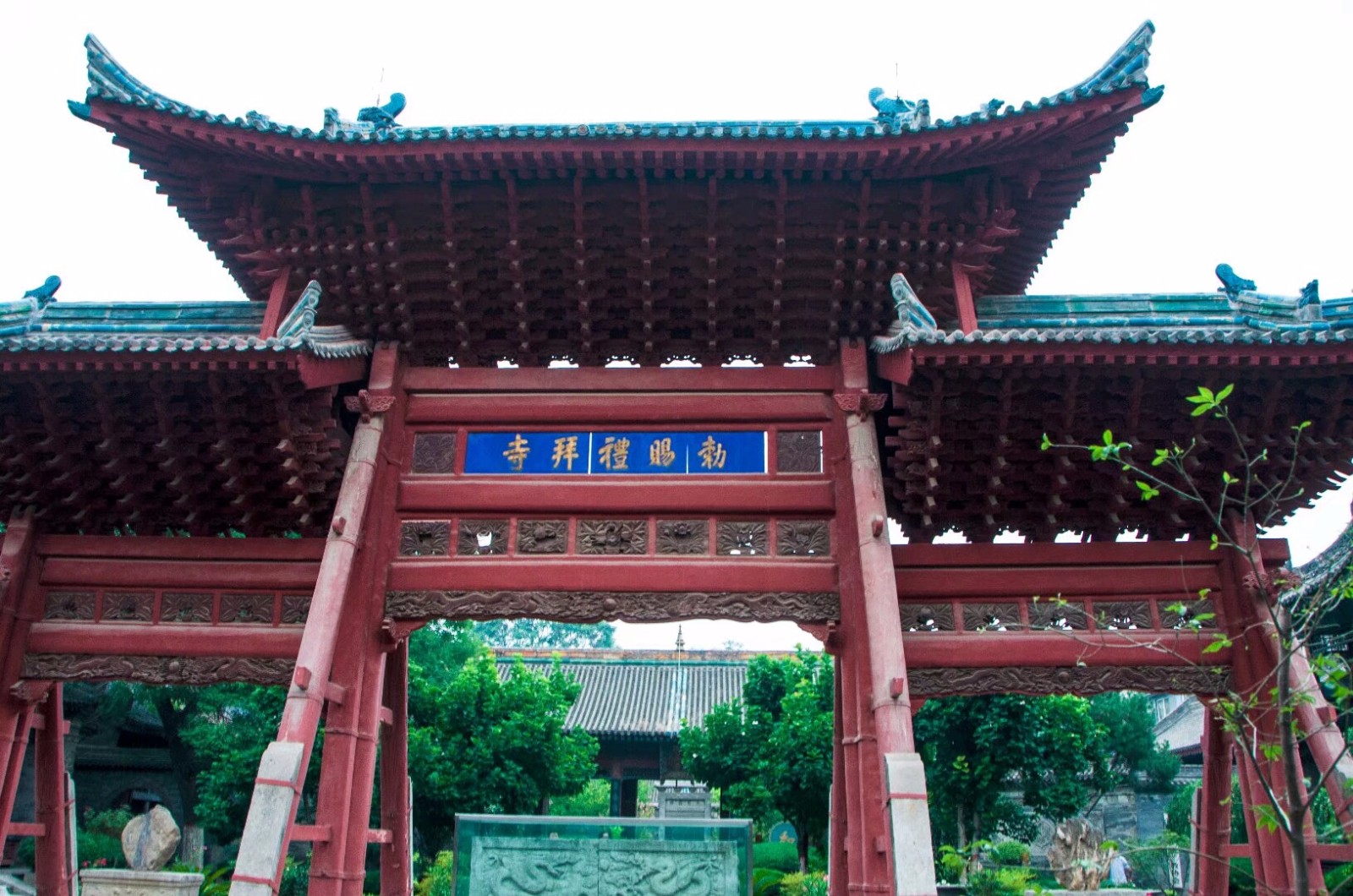
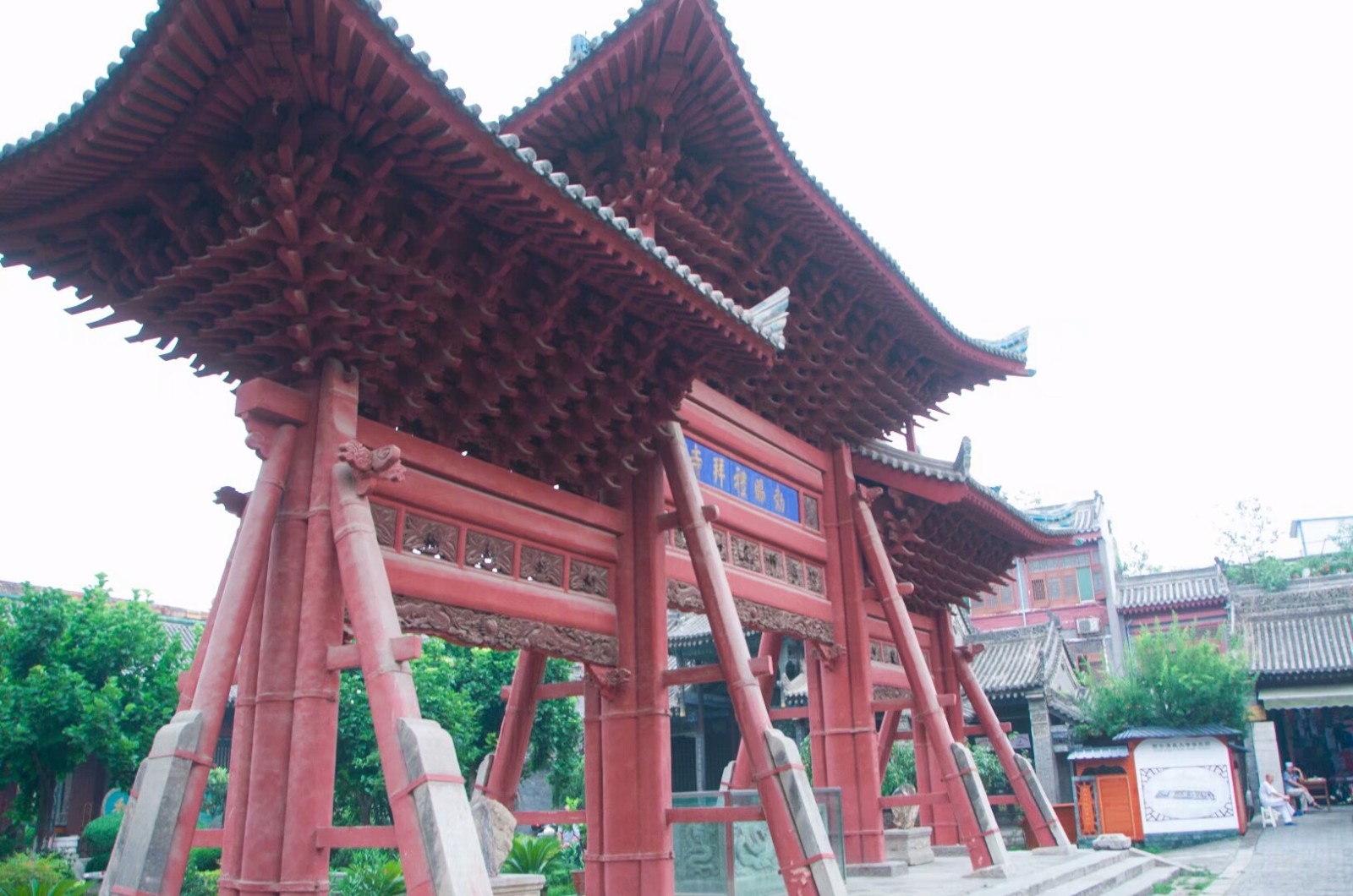
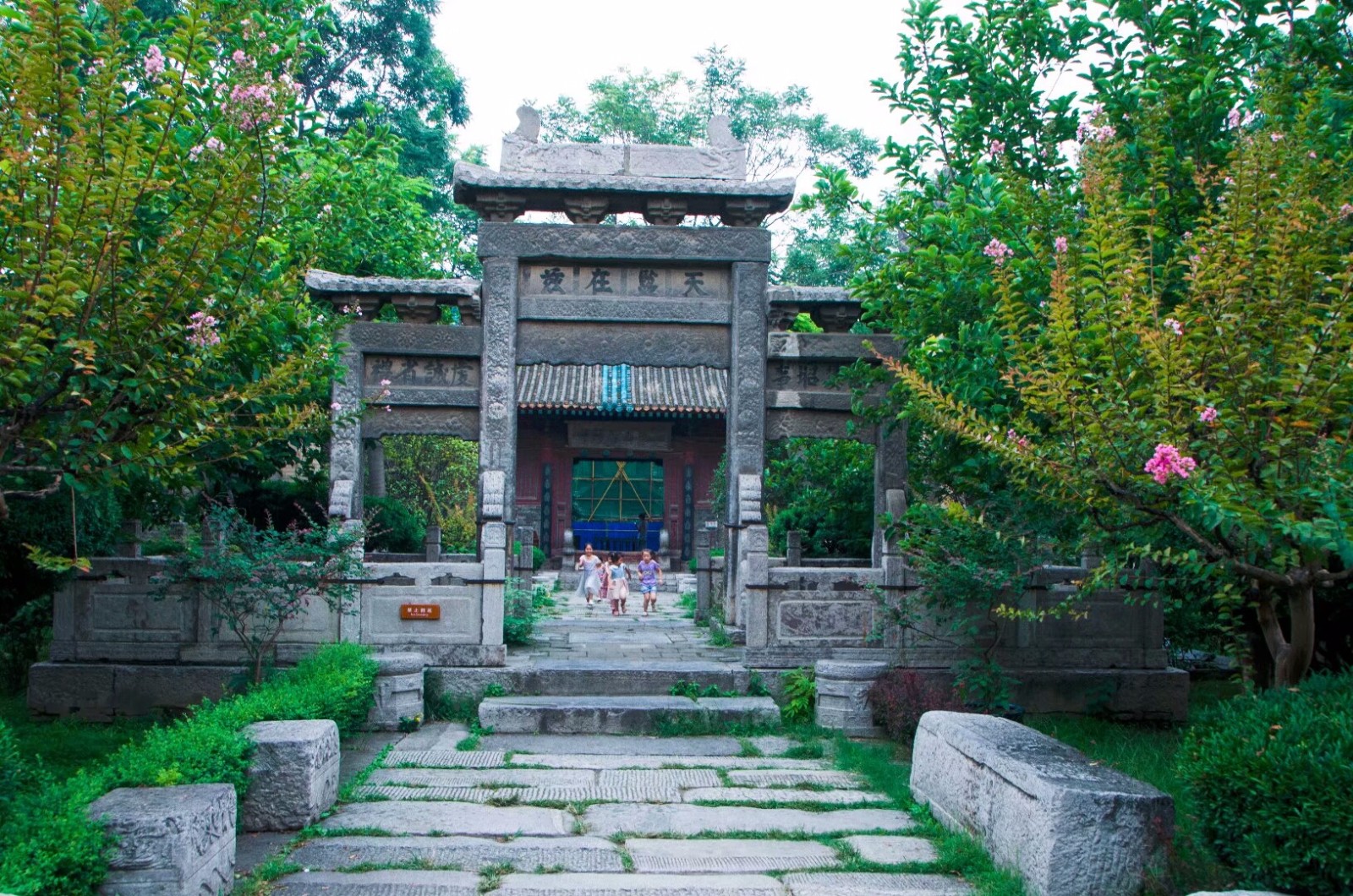
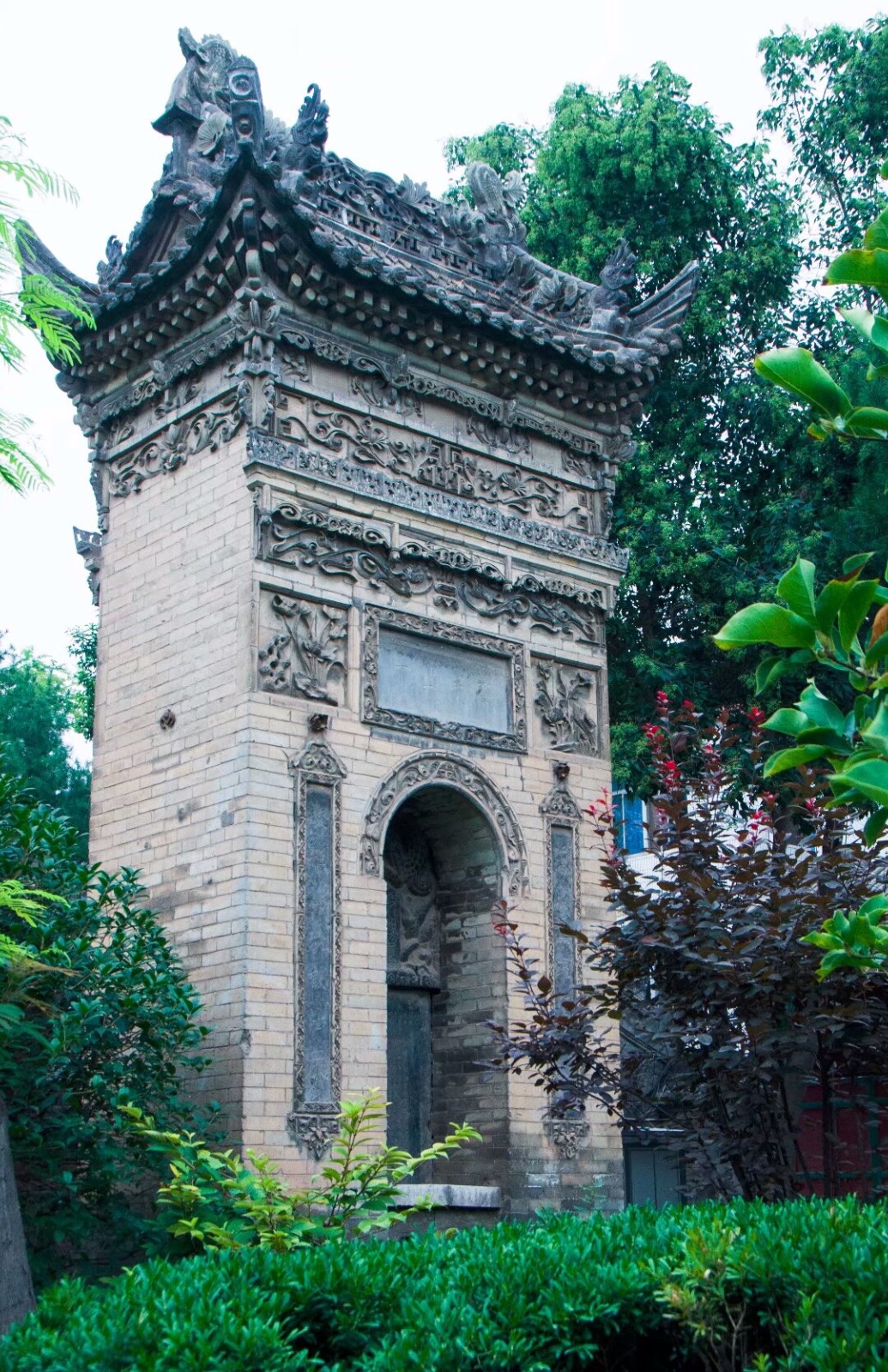
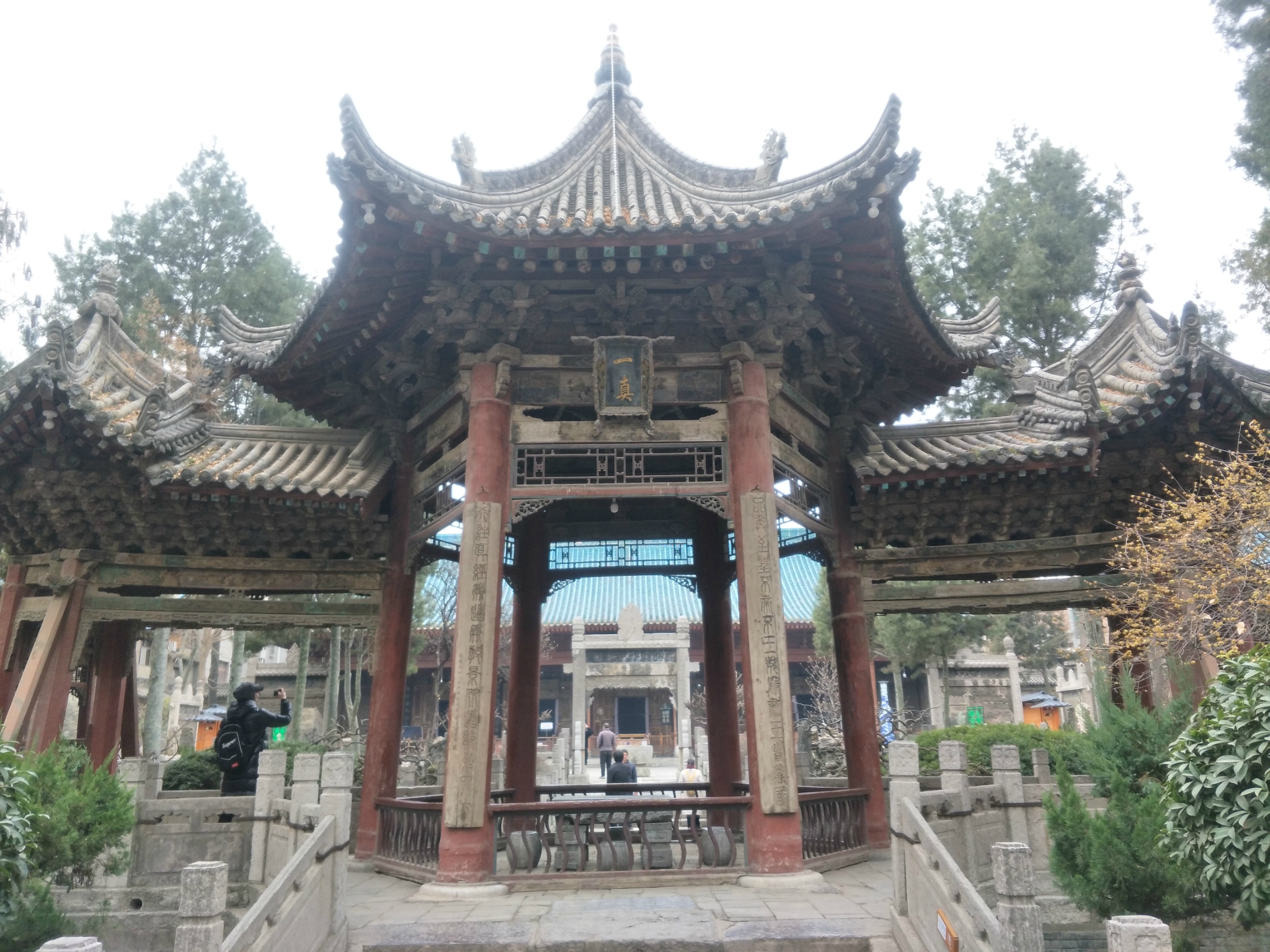
What distinguishes the Great Mosque is its wholly Chinese architectural language: there is no dome and no Arab-style minaret tower. Instead, four serene courtyards unfold in sequence like a classical scholar's garden, lined with pavilions, glazed-tile roofs, ancient trees, and more than twenty Chinese and Arabic steles recording centuries of patronage. In the third courtyard rises the Xingshin Tower, an elegant three-storey, triple-eaved octagonal pagoda serving as the minaret, while the One-Truth Pavilion — its three linked roofs said to resemble a phoenix — stands before twin lotus pools. At the end of the axis, the prayer hall gleams with a peacock-blue glazed roof and four-metre carved Quranic boards; non-Muslim visitors may admire it from the threshold.
Today the Great Mosque remains the spiritual heart of Xi'an's Hui community, whose members pray here five times daily beneath centuries-old gingko and cypress trees. It is open to visitors year-round — from 8:00 to 20:00 in summer (May to August, last entry 19:00) and 8:00 to 18:40 from September to April — though it closes to tourists during major Muslim festivals and access is restricted for Friday midday prayers. The mosque draws visitors from across China and abroad, drawn as much by its architectural singularity as by its setting: exiting the gate, one is immediately immersed in the Muslim Quarter's famed food stalls and lively lanes, where the mosque's history and the city's everyday life flow seamlessly together.
Highlights
Sino-Islamic Architecture
A mosque with no dome and no Arab-style minaret-tower: instead pagoda-style pavilions, glazed-tile roofs and Chinese scholar-garden courtyards.
The Xingshin Tower
An elegant three-storey octagonal triple-eaved tower — the Chinese take on a minaret — rising over the third courtyard.
One-Truth Pavilion
A rare structure fusing archway and pavilion, its three linked roofs said to resemble a phoenix, fronted by twin lotus pools.
Ancient Steles
Twenty-plus Chinese and Arabic stone inscriptions, including Ming steles recording the mosque's rebuilding.
The Prayer Hall
A magnificent hall with a peacock-blue glazed roof and 4-metre carved Quranic boards — non-Muslims may look in from the threshold.
Tang Gingko & Living Worship
Centuries-old trees shade courtyards where the Hui community still prays five times daily.
Photo Gallery
Comments