 Travel in China
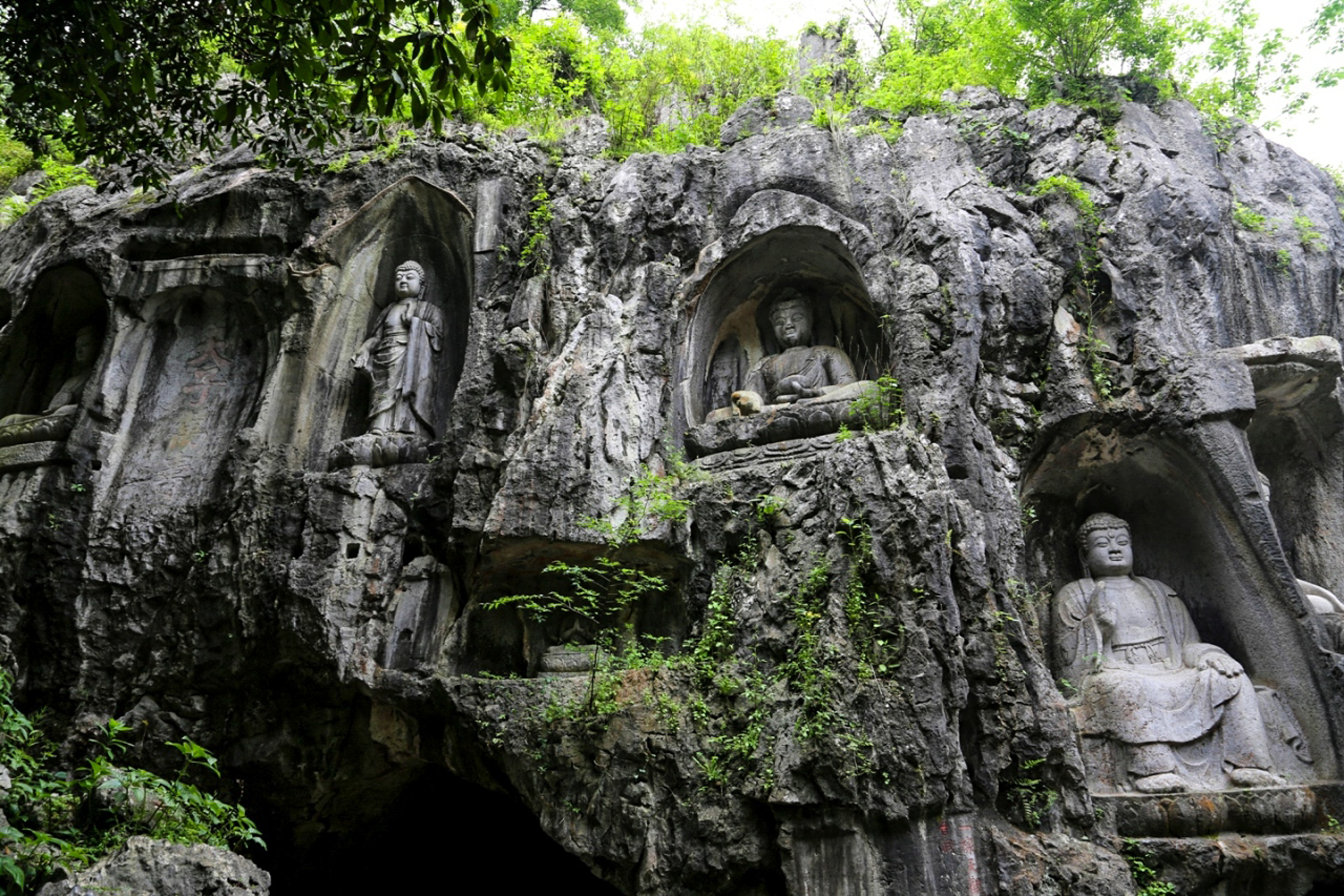
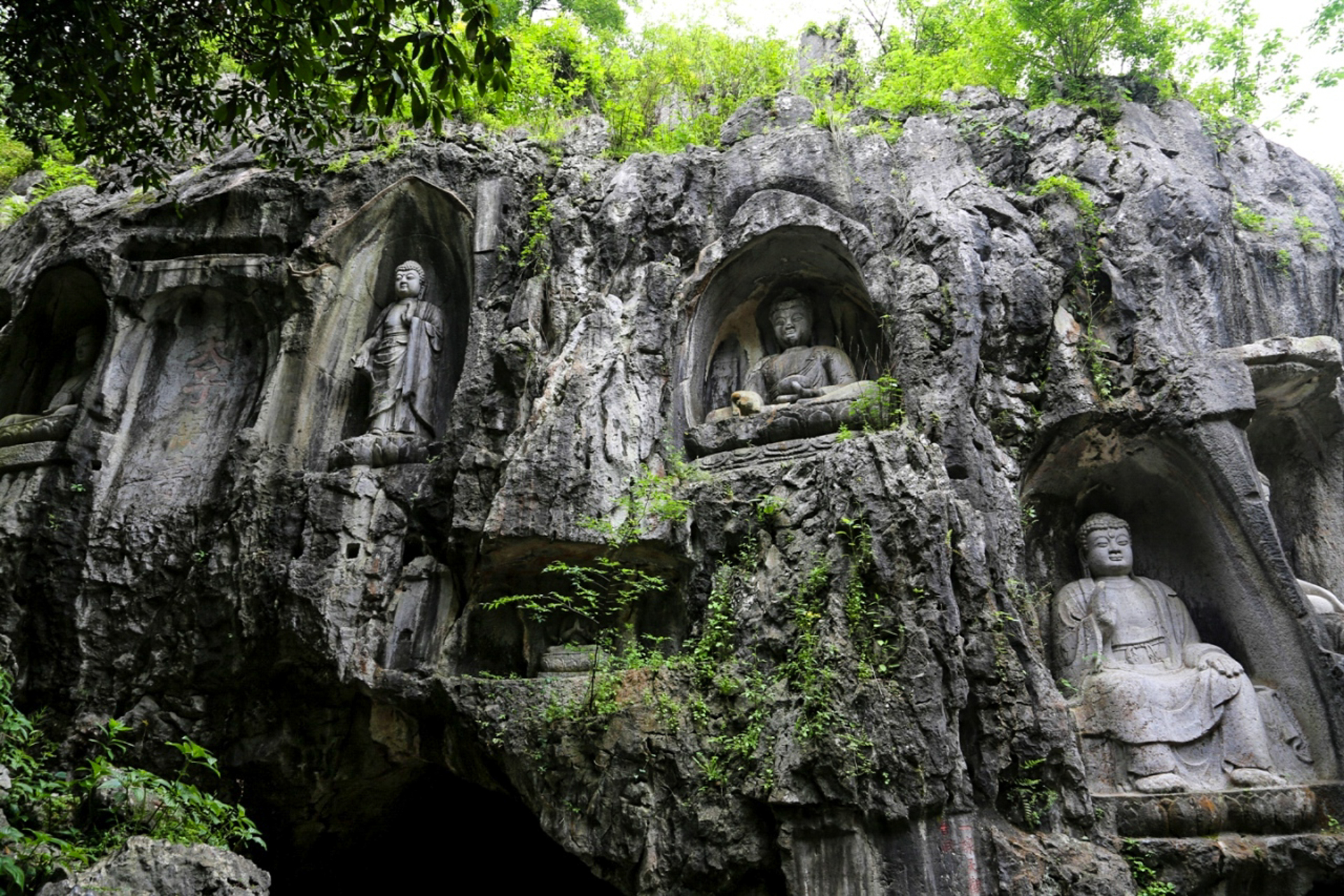
The 'Peak that Flew Here' — a 168-metre limestone crag facing Lingyin Temple, holding 390-plus Buddhist carvings from 951 to the Yuan in some 115 niches, the largest grotto complex south of the Yangtze. Free since 1 December 2025 with mandatory timed reservation.
Dive deeper: full travel guide · transport & map · where to stay & book
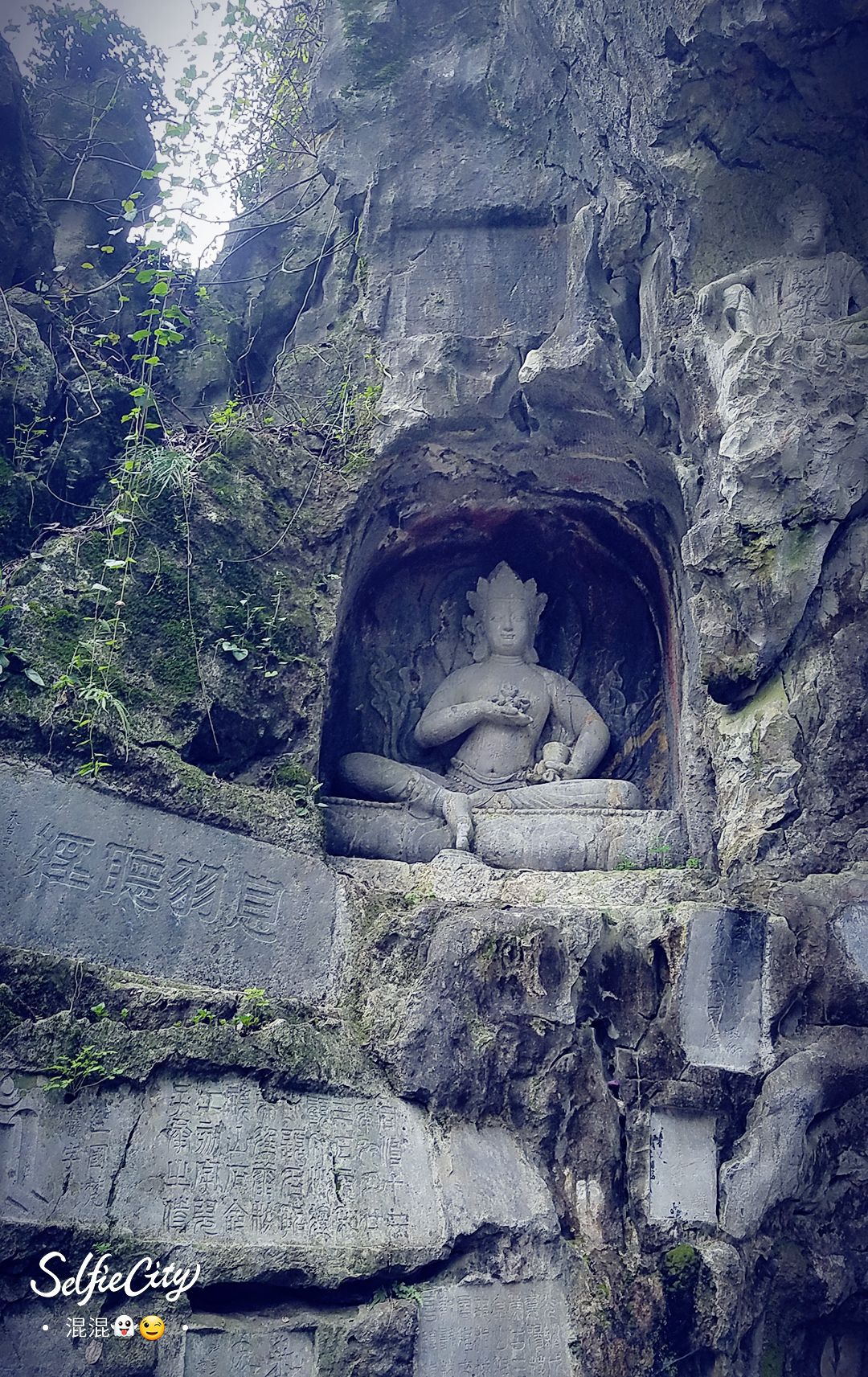
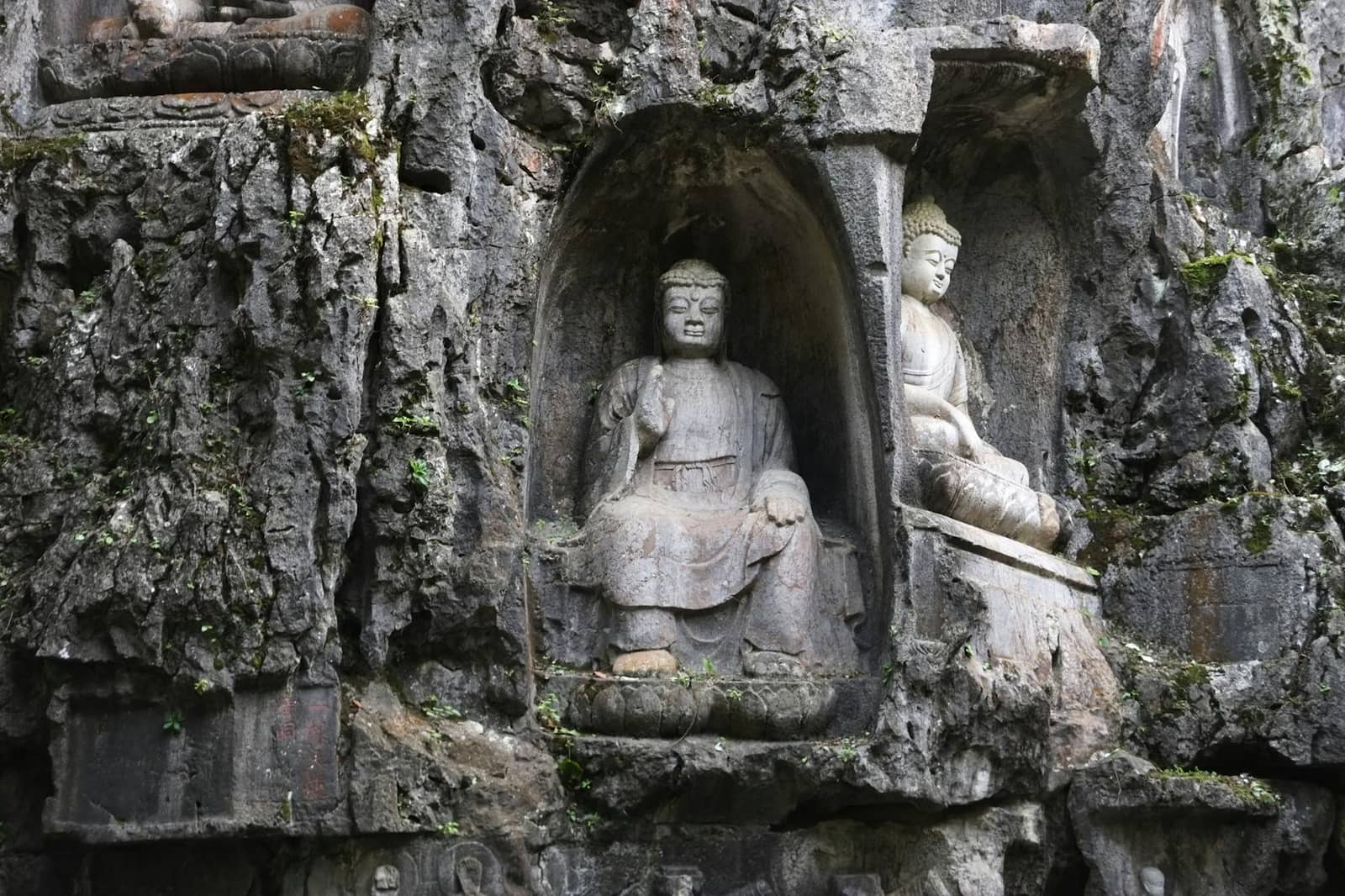
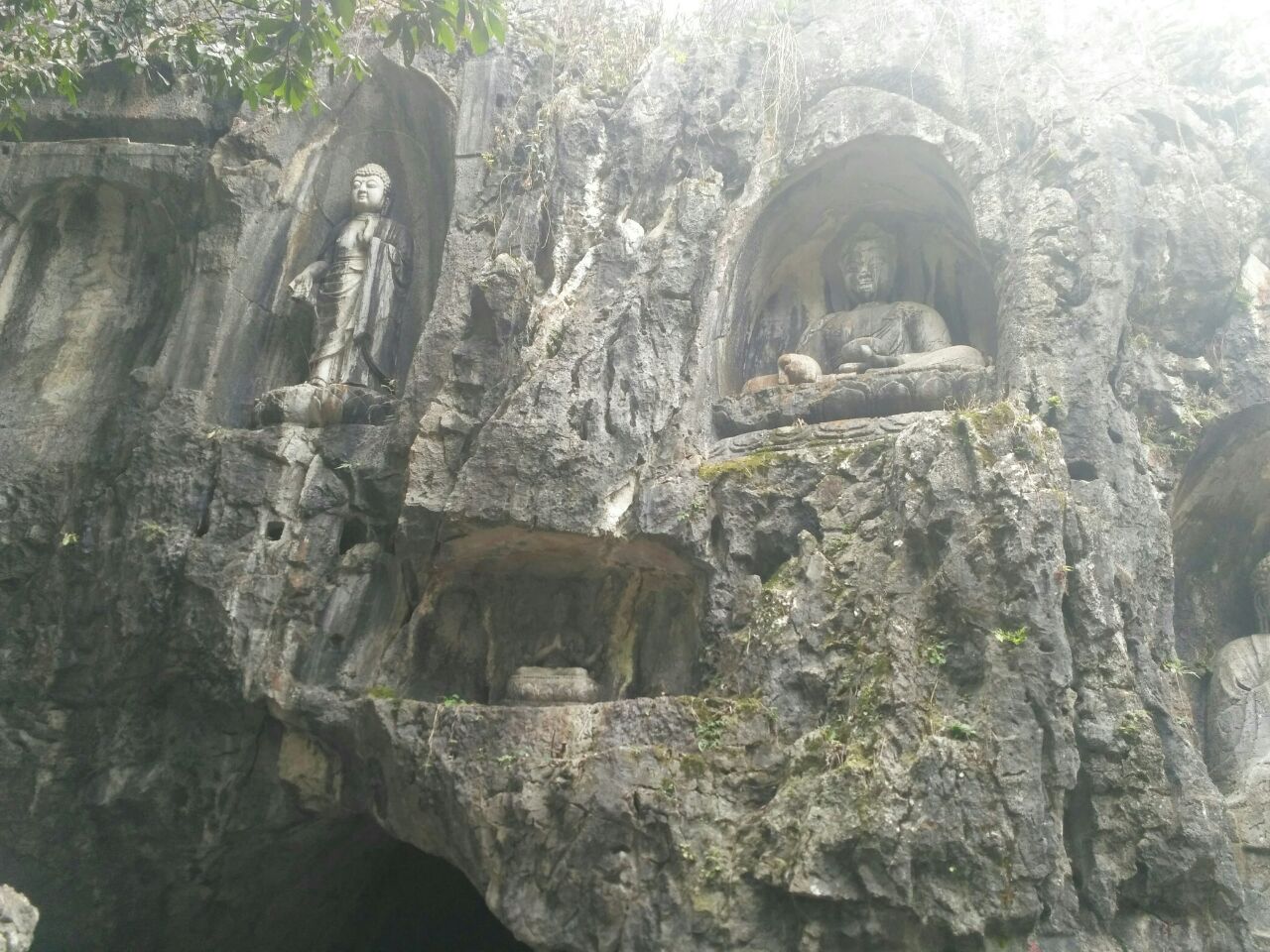
Feilai Feng — 'the Peak that Flew Here' — is a 168-metre limestone crag facing Lingyin Temple across Cold Spring Creek, named for founding monk Huili's exclamation that it must have flown from India's Vulture Peak. Its cliffs and caves hold some 115 niches with more than 390 Buddhist carvings dating from 951 in the Five Dynasties through the Song and into the Yuan, making it the largest grotto complex south of the Yangtze and the mainland's biggest concentration of Tibetan-style Yuan sculpture. The earliest dated group, the Three Sages of the West of 951, sits in Qinglin Cave — which doubled as the 'Cloud Path Cave' of the 1986 Journey to the West — while the 116 Yuan carvings commissioned under the Mongol-era Buddhist governor Yang Lianzhenjia form China's largest Tibetan-Buddhist rock-art group.
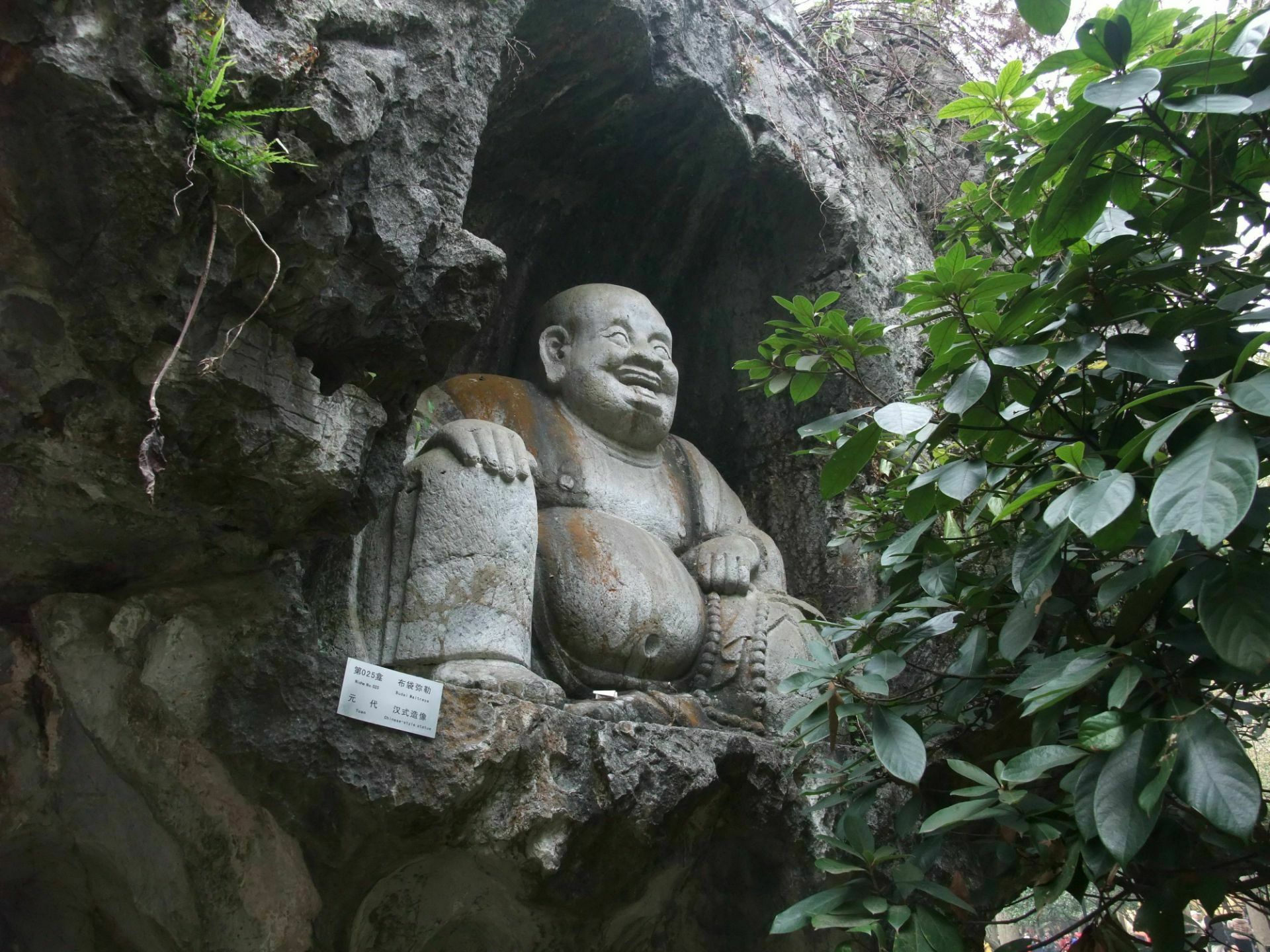
The visit is a streamside circuit. The Laughing Maitreya by the creek — the Southern Song Buddha of the future surrounded by eighteen arhats — is the largest figure and every Hangzhou child's photo memory; his grin is the icon of the Lingyin visit. Qinglin Cave holds the 951 Three Sages and the 'Jigong bed' arhats, Longhong the pilgrim-caravan relief, a slit of sky and the stone stupa of Huili at its mouth, and the caves stay cool even in midsummer. The creek, Cold Spring Pavilion and the Flying Peak bridge frame Lingyin Temple across the water — the view the Tang poet Bai Juyi praised in his 'Record of Cold Spring Pavilion' — and the tantric Yuan figures line the watercourse below the walk.
On 19 November 2025 came the landmark change: the whole Lingyin-Feilai Feng scenic area — including Lingyin, Yongfu and Taoguang temples — became free of charge from 1 December 2025, replacing the former ¥45 gate ticket and ¥30 incense ticket, with mandatory advance timed reservation through the official 'Hangzhou Lingyin-Feilaifeng' mini-program (WeChat/Alipay, passports accepted), slots released seven days out at 08:00. Daily caps run 35,000 weekdays, 50,000 weekends and 65,000 holidays, and first-day figures showed about 70% growth — reserve early. Weekday traffic control since December 2025 stops taxis over 4 kilometres from the gate between 08:00 and 17:00, so the practical answers are arriving by 07:30 or taking metro plus bus; beware resellers charging ¥8-30 for free slots and fake booking mini-programs.
Highlights
Laughing Maitreya of Cold Spring
The Southern Song Buddha of the future, surrounded by eighteen arhats, is Feilai Feng's largest and best-loved carving. His grin is the icon of the Lingyin visit.
390 Ancient Carvings
Five Dynasties to Yuan niches spread over the crag and caves, with Song arhats in Qinglin and Yuru caves and Yuan tantric figures along the creek, a span unmatched south of the Yangtze.
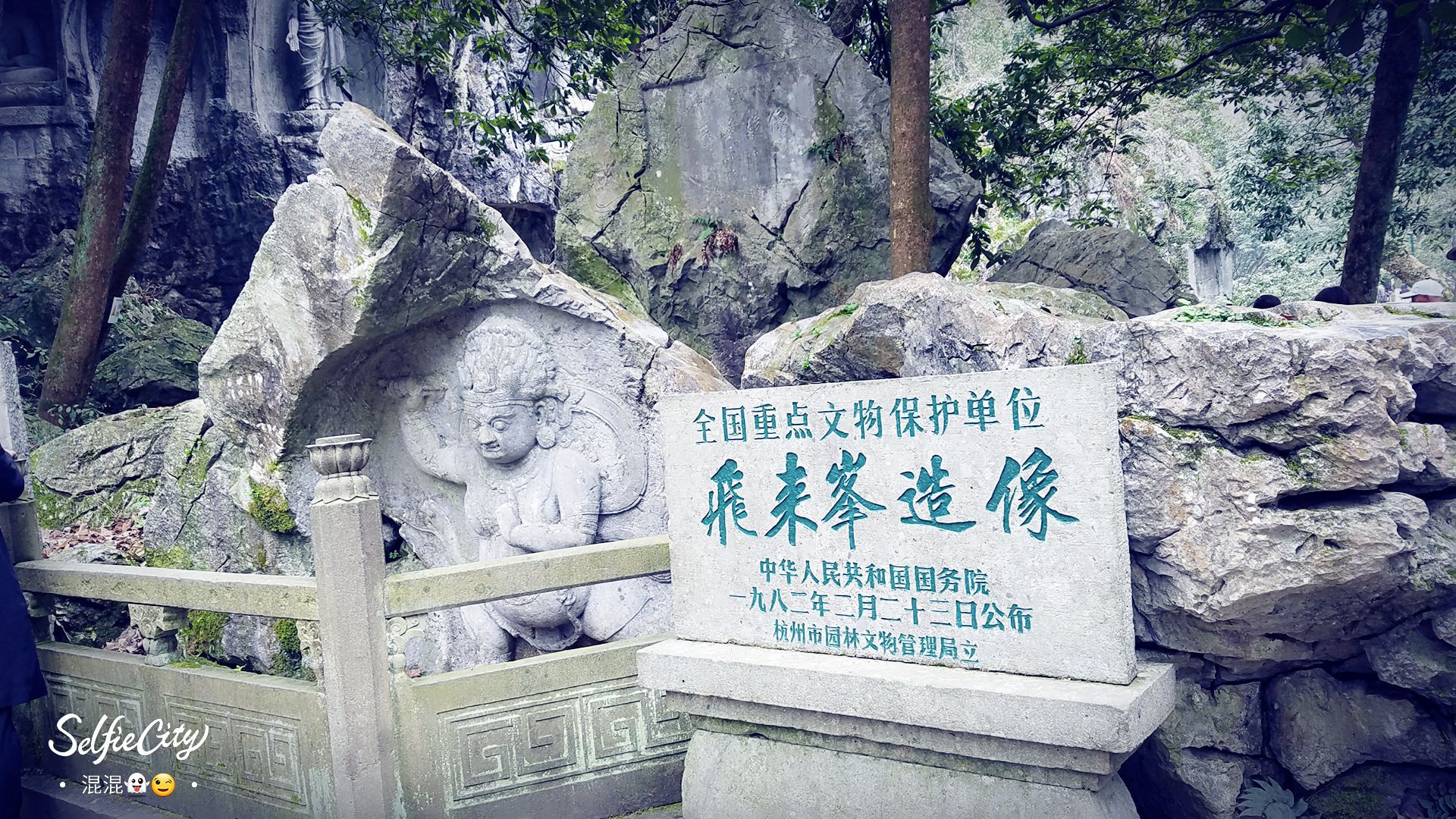
Yuan Tibetan-Style Sculptures
The 116 Yuan carvings commissioned under the Mongol-era Buddhist governor Yang Lianzhenjia form China's largest Tibetan-Buddhist rock-art group, with the Ushnishavijaya of Cave 84 a masterpiece.
Qinglin & Longhong Caves
Qinglin holds the 951 Three Sages and the 'Jigong bed' arhats, Longhong the pilgrim-caravan relief and a slit of sky. The caves are cool even in midsummer.
Cold Spring & Lingyin View
The creek, Cold Spring Pavilion and Flying Peak bridge frame Lingyin Temple across the water, the view praised by Bai Juyi in his 'Record of Cold Spring Pavilion'.
Free Entry Since Dec 2025
The former ¥75 combined charge vanished on 1 December 2025. A free timed reservation through the 'Hangzhou Lingyin-Feilaifeng' mini-program now gates entry, released seven days ahead.
Photo Gallery
Comments