 Travel in China
On a quiet, archway-guarded lane 300 meters west of the Lama Temple stand two side-by-side monuments to imperial scholarship: the Confucius Temple, built in 130
Dive deeper: full travel guide · transport & map · where to stay & book
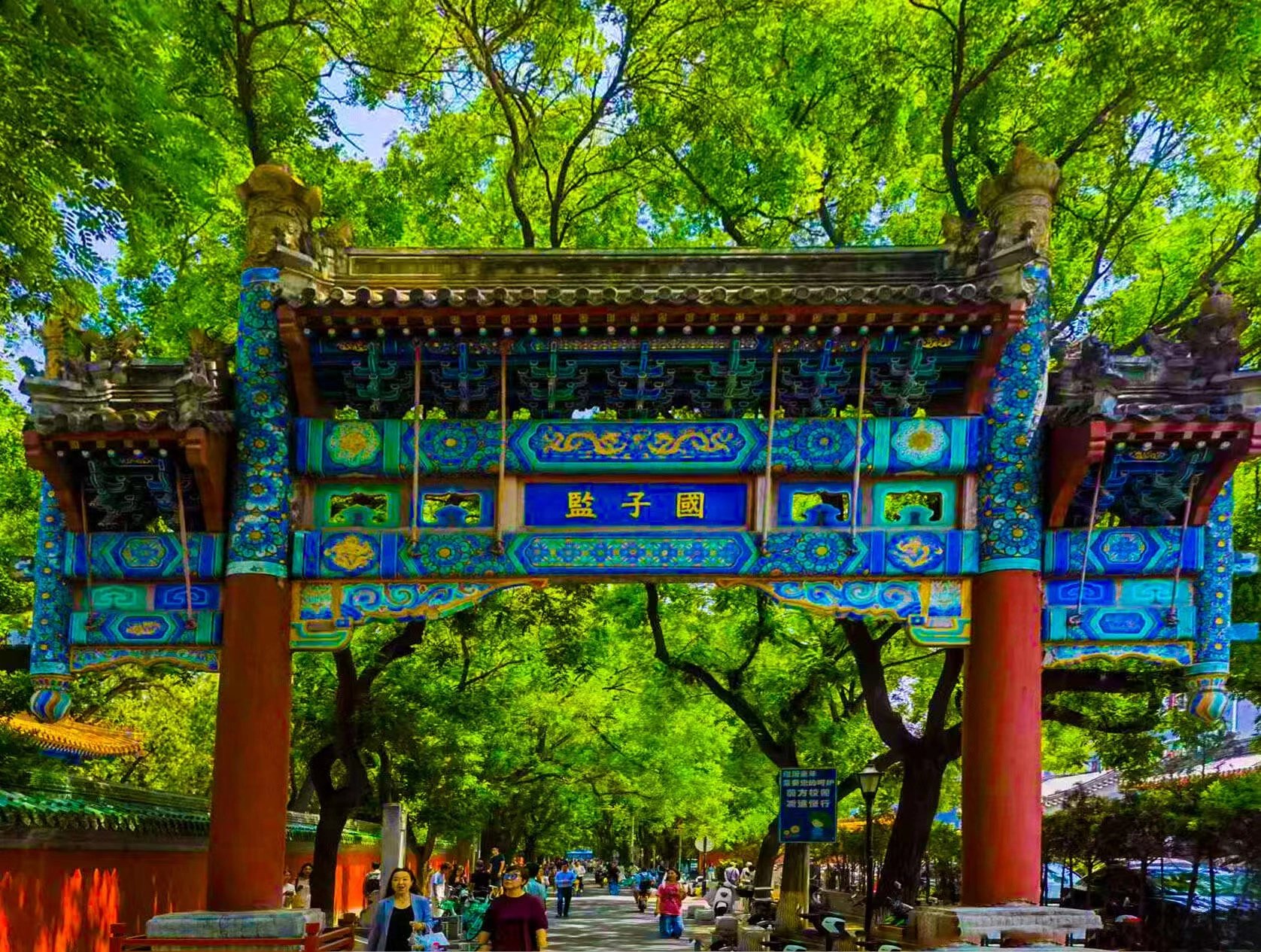
On a quiet, archway-guarded lane 300 meters west of the Lama Temple stand two side-by-side monuments to imperial scholarship: the Confucius Temple, built in 1302 under the Yuan dynasty, and the Guozijian, the state's highest seat of learning, founded in the Yuan dynasty (official museum line: 1287) and the only imperial academy preserved intact in China. Their "temple on the left, college on the right" layout encloses ancient cypresses, the Dacheng Hall, the moat-ringed Biyong Hall where emperors lectured, and the stele forest of the Thirteen Classics. Most affecting are the 198 stone tablets engraved with the names, hometowns and ranks of 51,624 jinshi — every successful graduate of the Yuan, Ming and Qing imperial examinations. One ¥30 ticket covers both compounds, which draw a fraction of next door's crowds, making this the most serene historic stop in central Beijing.
Highlights
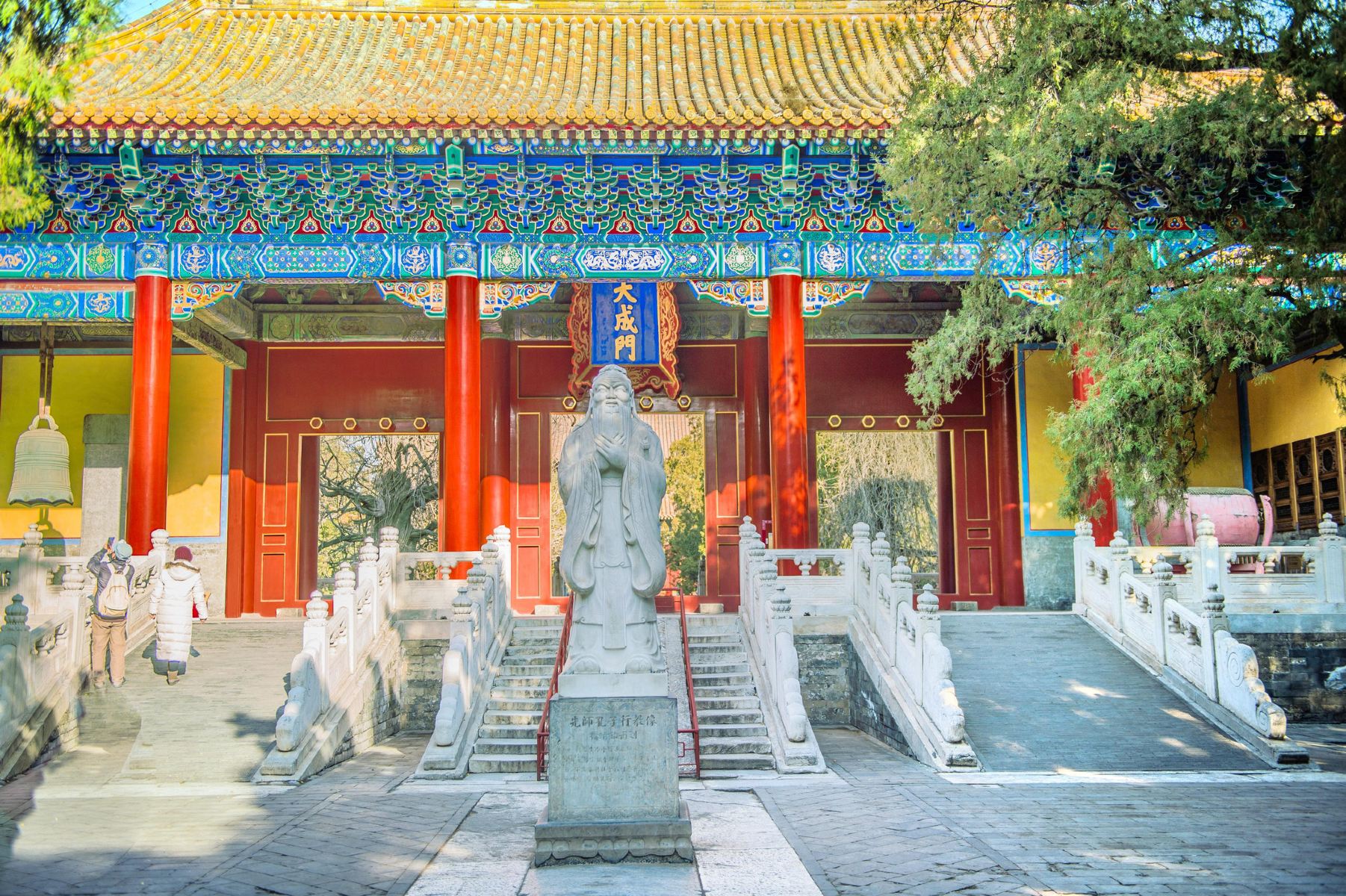
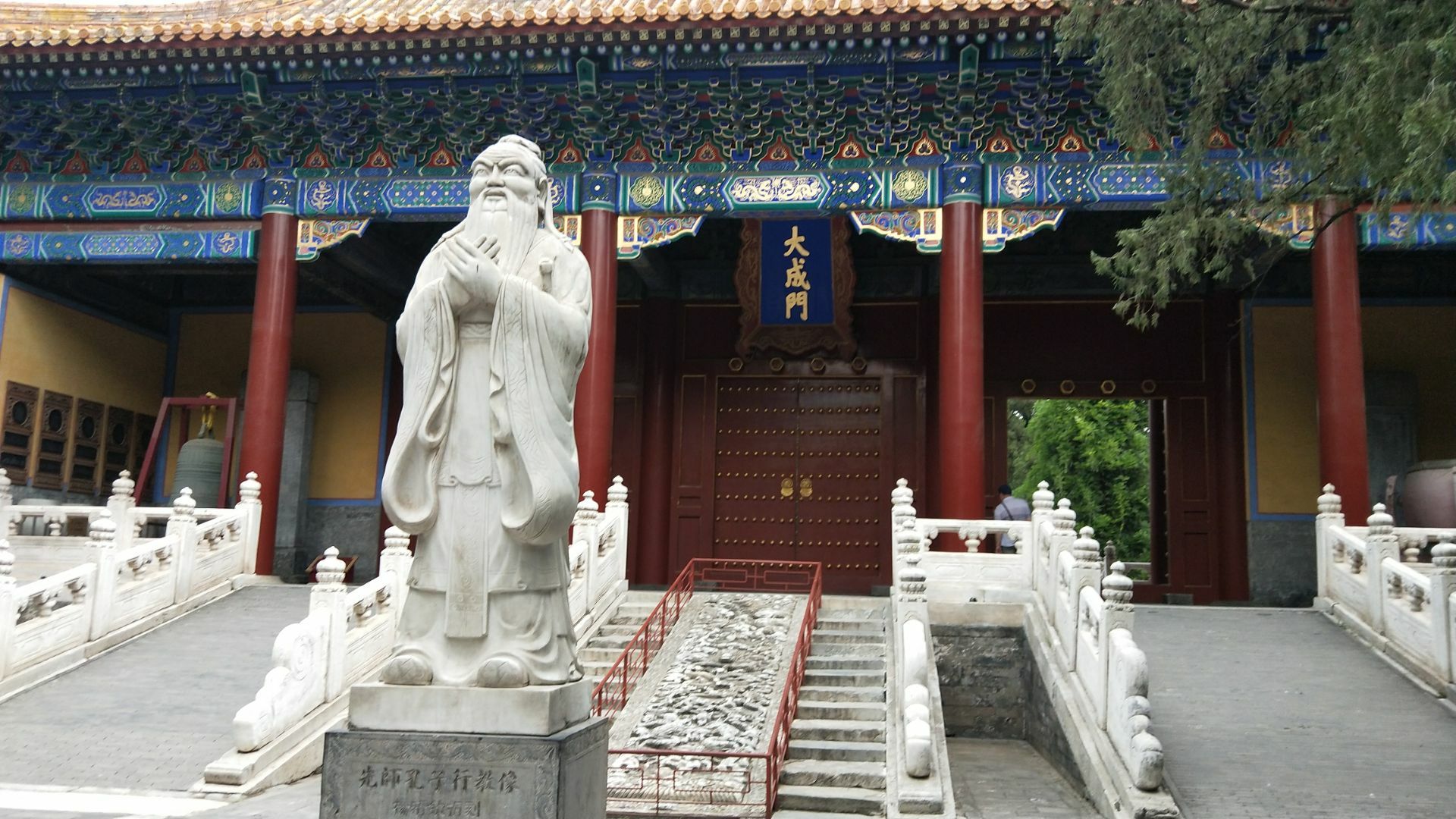
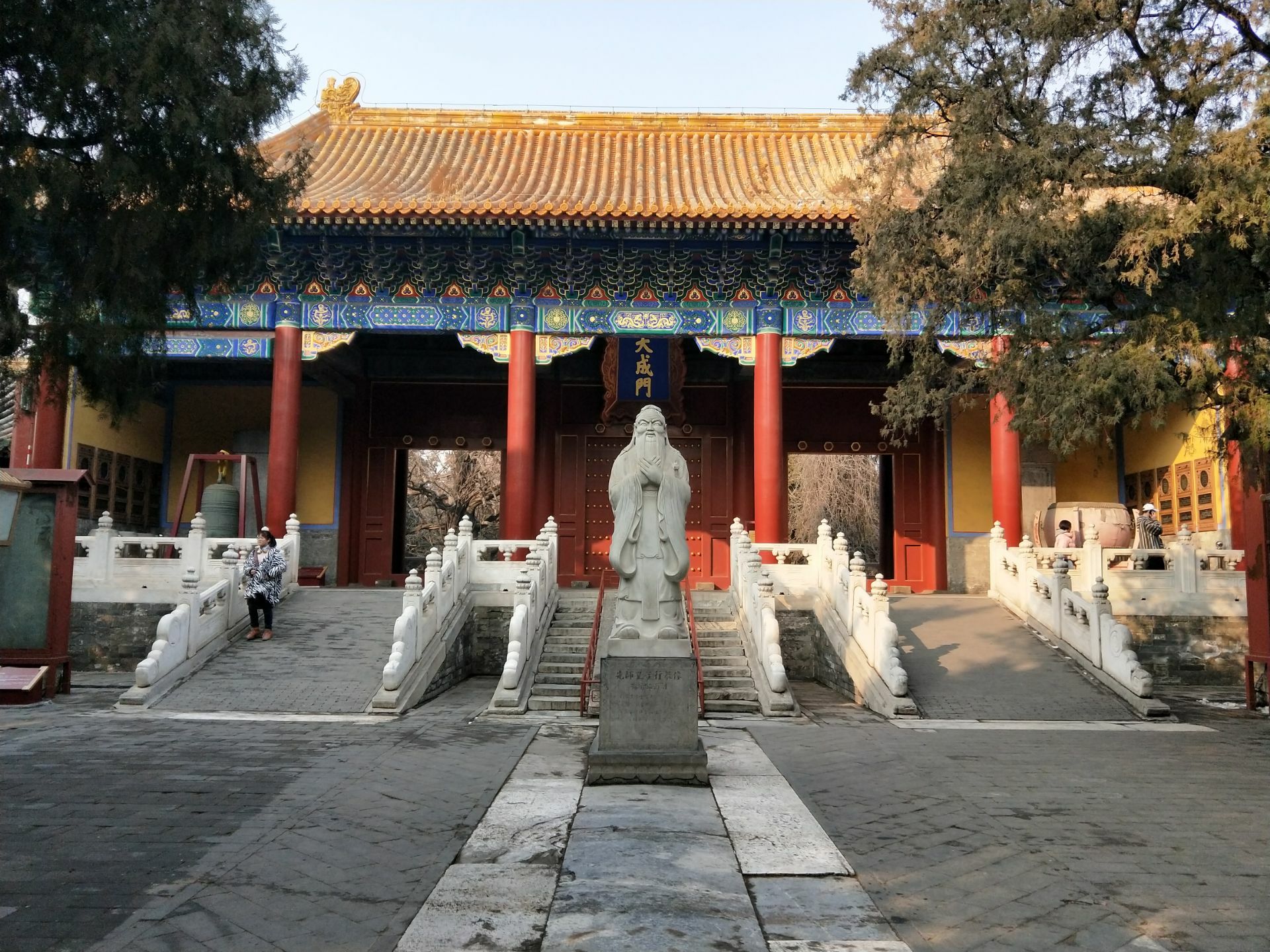
Dacheng Hall, the Confucius altar hall with its
The 198 jinshi steles bearing 51,624 examination
The 700-year-old "Anti-Traitor Cypress" of legen
Biyong Hall
the moat-ringed imperial lecture hall with four stone bridges.
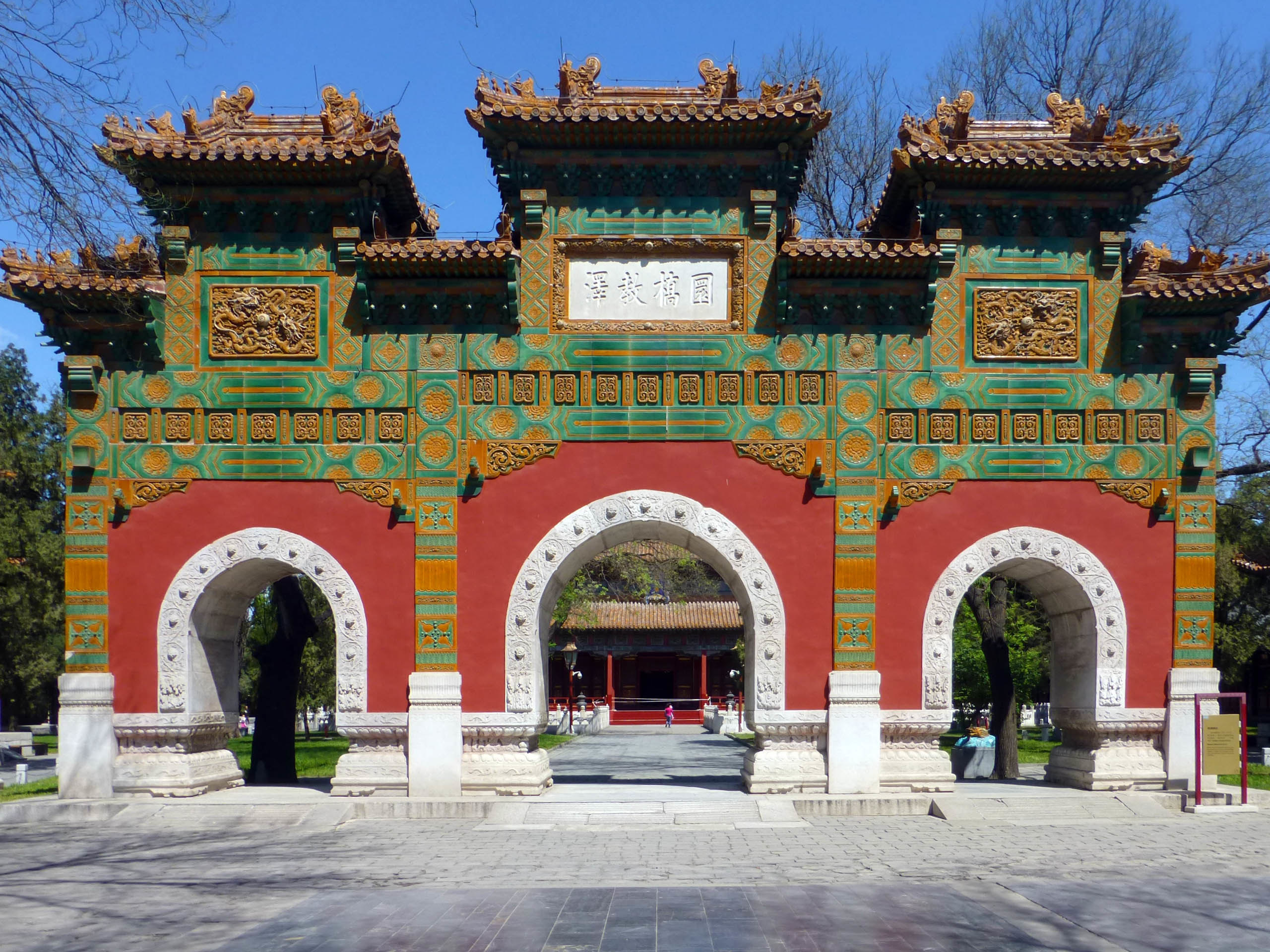
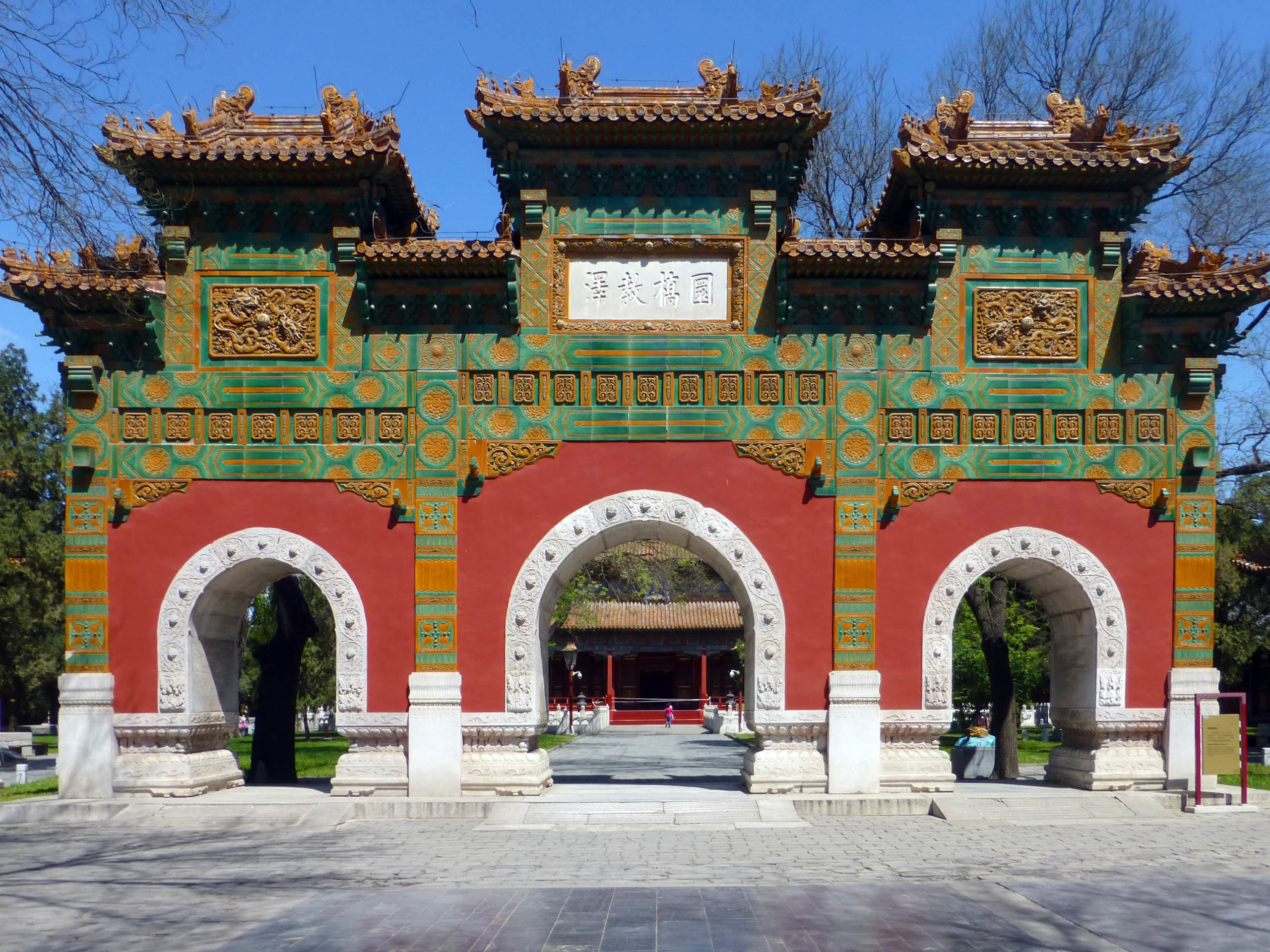
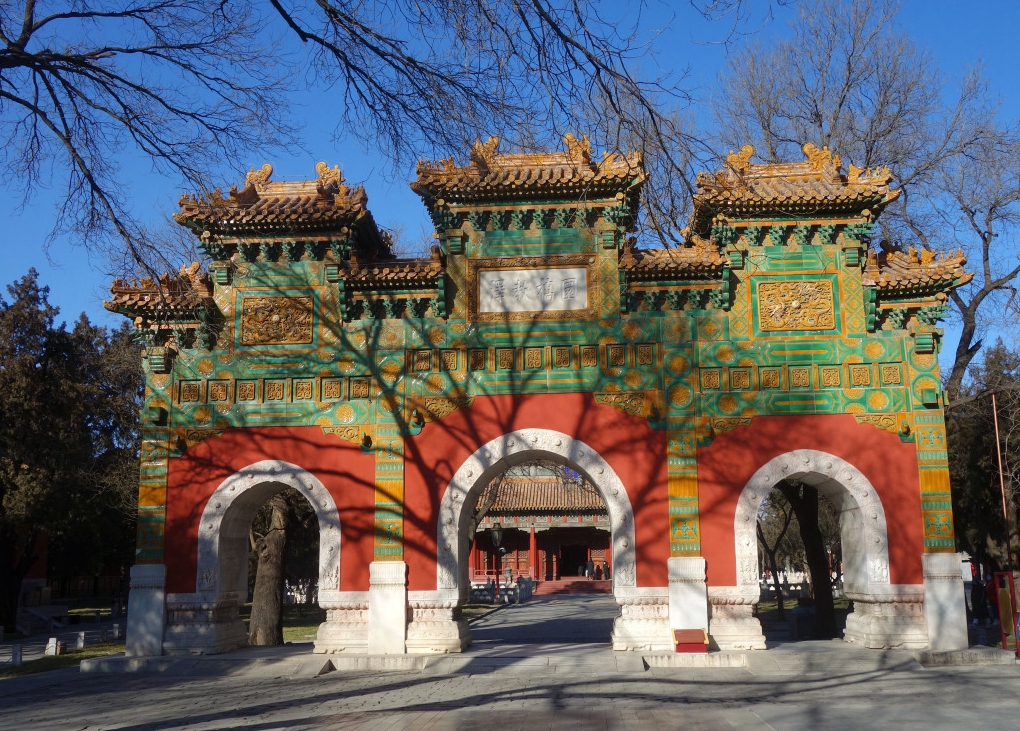
The glazed archway (Liuli Paifang) on the Guozij
Stele Forest of the Thirteen Classics
189 Qianlong-era carved stones.
Photo Gallery
Comments