 Travel in China
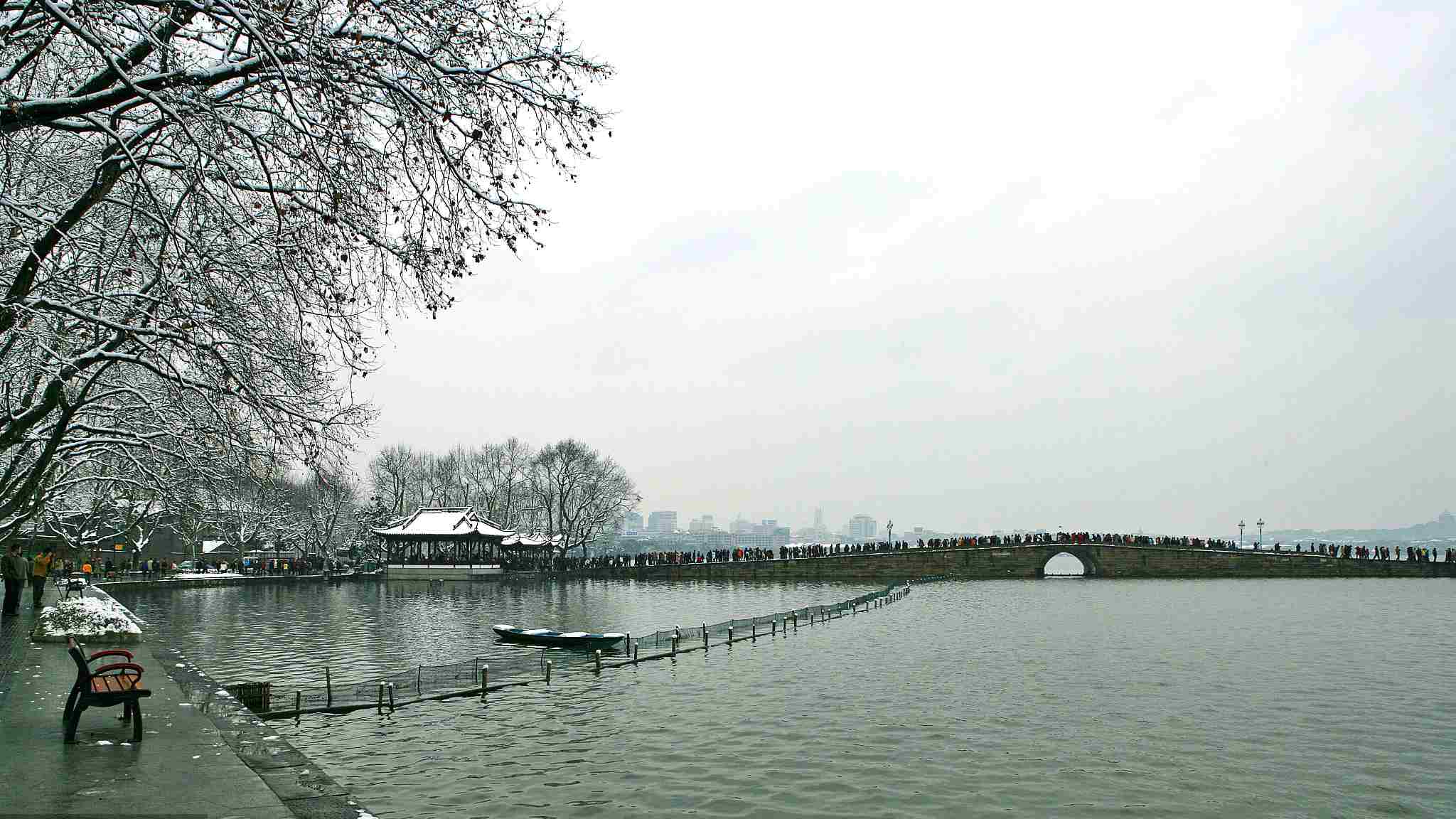
The Broken Bridge is the eastern gateway to Bai Causeway and one of China's most famous bridges — famously not broken at all. Recorded in Tang poetry, rebuilt in 1921, and named for winter's 'lingering snow' that makes the span appear snapped in two, it owes its worldwide fame to the White Snake legend, where the serpent spirit Bai Suzhen met Xu Xian on this very arch. Free and open around the clock, it anchors the classic one-kilometre willow-and-peach walk to Gushan Hill.
Dive deeper: full travel guide · transport & map · where to stay & book
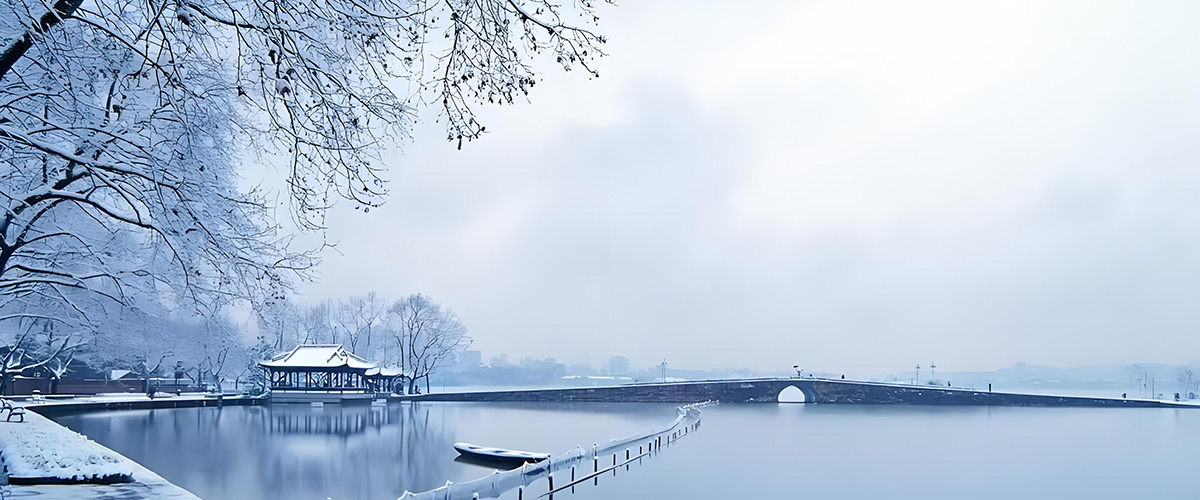
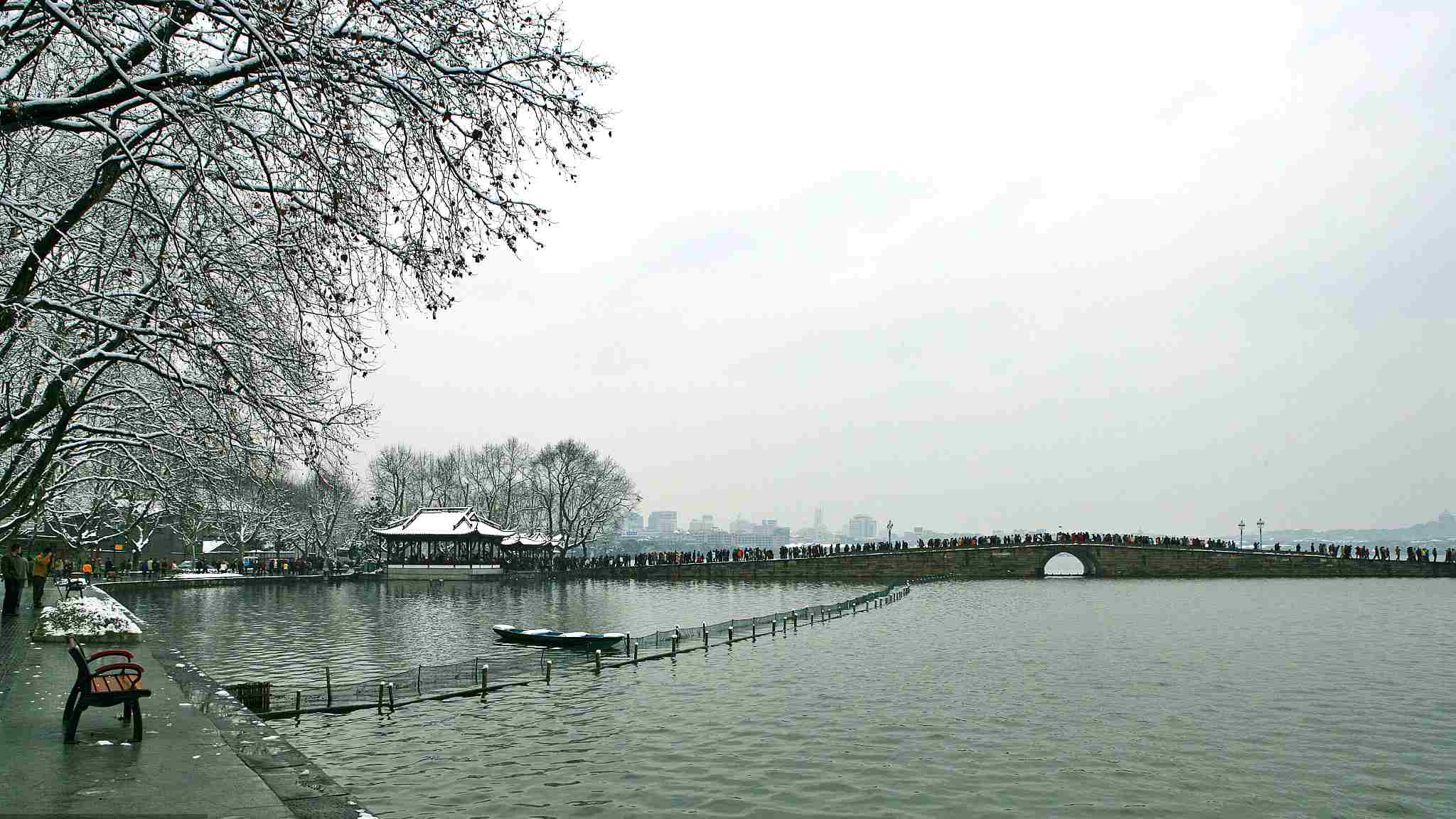
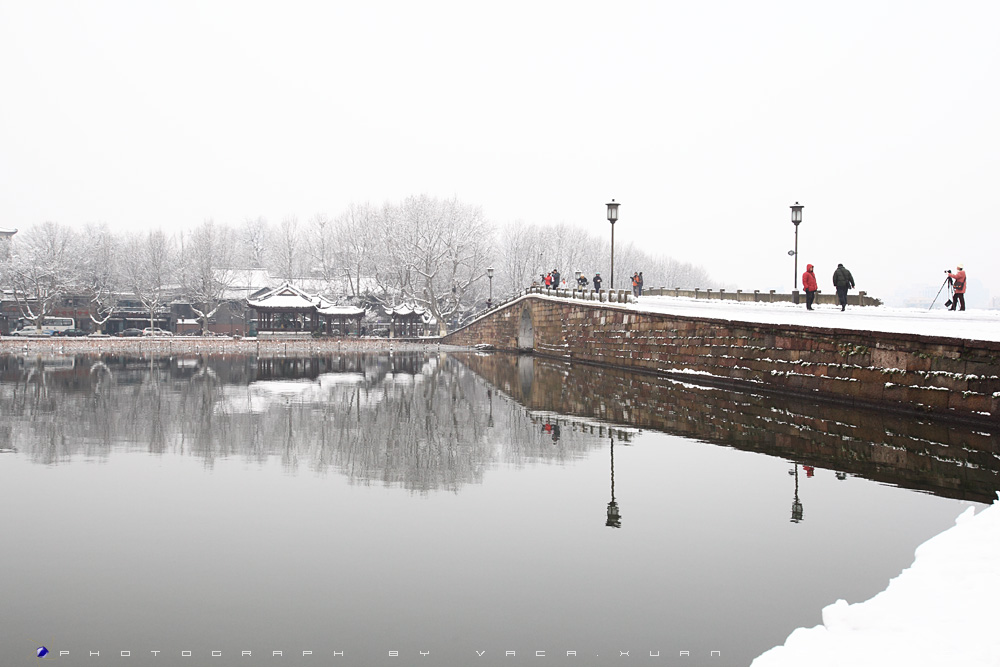
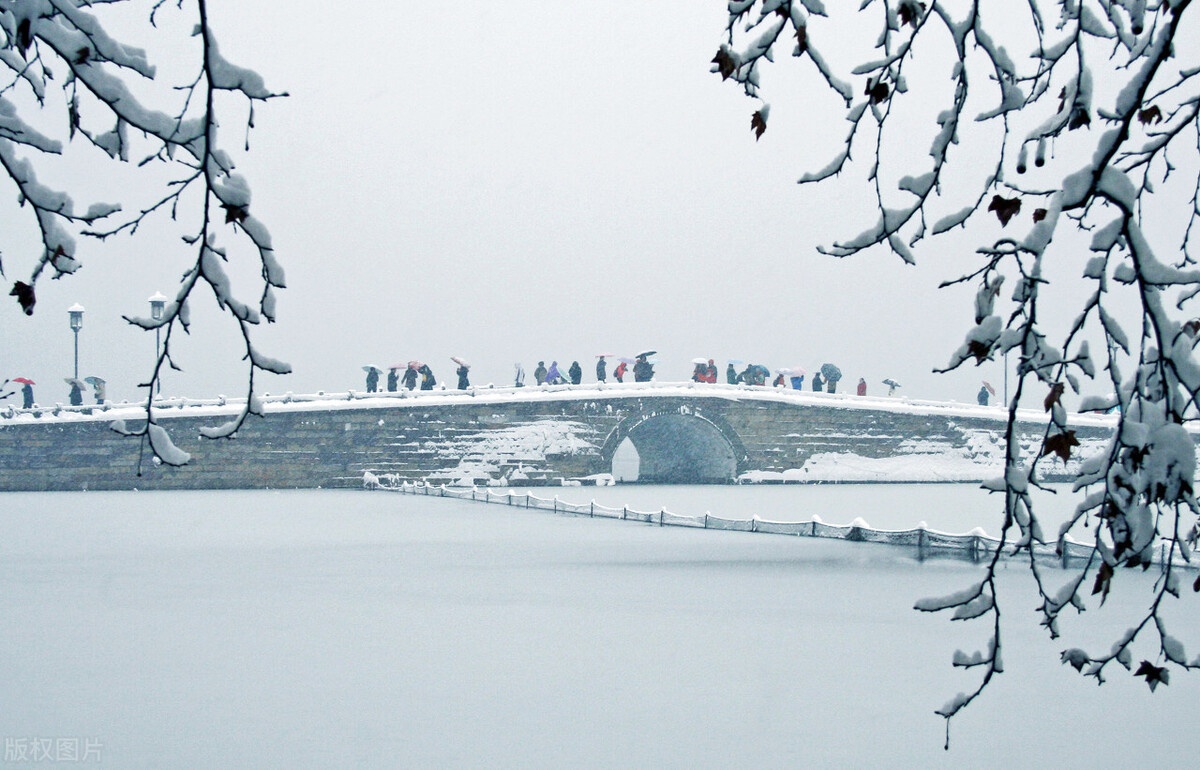
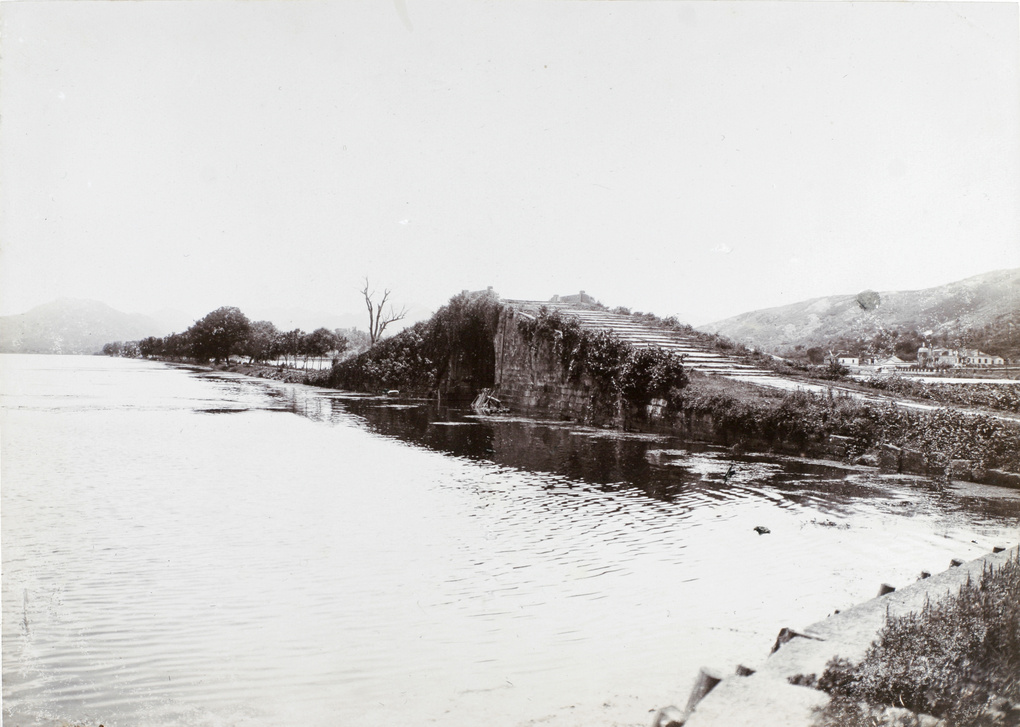
The bridge at the mouth of Bai Causeway is older than its name. Tang poet Zhang Hu already sang of it in the ninth century, when it stood as a single-arch stone span at the eastern end of the causeway the poet-governor Bai Juyi built from dredged lake mud. Its winter persona earned the enduring title: sun melts the snow on the bridge's southern face while the shaded side stays white, and viewed from Baoshi Hill the span reads as broken in two — 'Lingering Snow on Broken Bridge', one of the Ten Scenes of West Lake fixed in the Southern Song. The present 8.8-metre arch dates from a 1921 rebuild, and the bridge itself, truth be told, was never broken.
Fame outgrew the view. The Legend of the White Snake, China's best-loved folk romance, sets its opening scene here — the serpent spirit Bai Suzhen first meets Xu Xian on the bridge in the rain, borrowing his umbrella, and later reunites with him on the same span after her imprisonment under Leifeng Pagoda. Lovers re-enact the borrowed-umbrella meeting to this day, and the bridge's free, gate-less accessibility makes it Hangzhou's most-photographed spot at any hour. The Kangxi stele of 1702, re-carved in 1977, sits in its hexagonal pavilion at the northeast corner, while Baochu Pagoda rises on the ruddy cliffs of Baoshi Hill directly north, framing the classic postcard.
Visiting in 2026 costs nothing and requires nothing: the bridge and causeway are public walkways, open around the clock with no ticket or reservation. That freedom is the catch — dawn and late evening are the only genuinely quiet hours, and holiday crowds can slow the crossing to a shuffle. The standard play is the one-kilometre walk west along Bai Causeway, willows and peach trees planted in alternating pairs since the Tang, past Jindai Bridge to the Autumn Moon over Calm Lake terrace at Gushan — half an hour of pure lakeside that ends at the lake's most storied viewing spot.
Highlights
White Snake Legend Site
The bridge where Bai Suzhen and Xu Xian met, fell in love and reunited is the emotional core of China's most famous folk tale. Lovers re-enact the borrowed-umbrella meeting here to this day.
Lingering Snow View
After rare Hangzhou snowfalls, the half-melted span reads as a broken silver chain from Baoshi Hill. It is one of the original Ten Scenes of West Lake named in the Southern Song.
Bai Causeway Stroll
The one-kilometre causeway west of the bridge lines up willows and peach trees in alternating pairs, planted since the Tang era. It ends at Autumn Moon over Calm Lake at Gushan.
Kangxi Stele Pavilion
A hexagonal pavilion beside the bridge houses the 1702 stele with Emperor Kangxi's calligraphy 'Lingering Snow on Broken Bridge', re-carved in 1977. It marks the scene's imperial pedigree.
Baoshi Hill Backdrop
Baochu Pagoda rises on the ruddy cliffs directly north of the bridge, framing the classic postcard view. Climbing the hill gives the 'broken bridge' snow perspective.
Free 24-Hour Landmark
No ticket, no gate, no closing time: the bridge belongs to everyone. Dawn and late evening are the only quiet hours at this most-photographed spot in Hangzhou.
Photo Gallery
Comments