 Travel in China
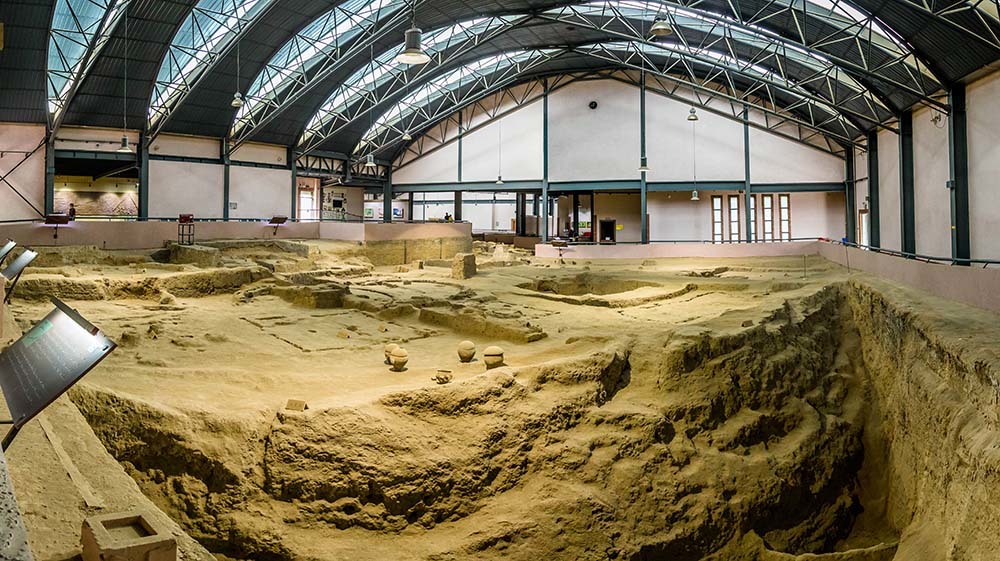
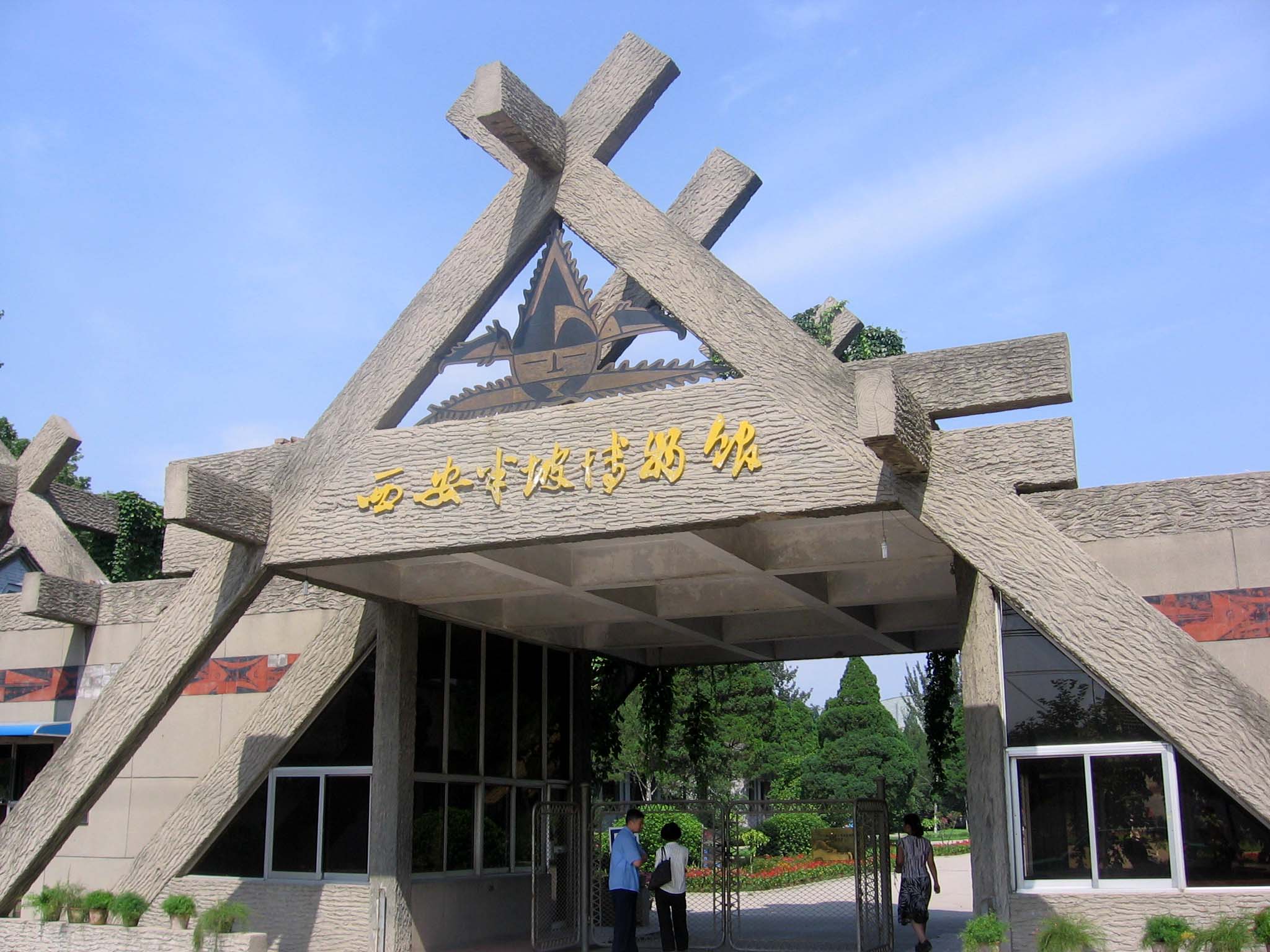
On the eastern bank of the Chan River, Banpo preserves the 6,000-year-old village of a Neolithic matriarchal community — China's first prehistoric settlement museum, opened in 1958 over the actual excavation. Inside the great domed hall you walk around the real stumps of semi-subterranean houses, storage pits and the village's protective moat, while galleries display the exquisite painted pottery with those mysterious human-face-with-fish designs. Kids can try fire-by-friction in the 'Prehistoric Workshop' — a hands-on ancient morning.
Dive deeper: full travel guide · transport & map · where to stay & book
On the eastern bank of the Chan River in Xi'an lies one of archaeology's great landmarks: Banpo, a village settled some 6,000 years ago by a Neolithic community of the Yangshao culture. Excavated in the 1950s, the site revealed the remains of a matriarchal society whose people farmed, fished, and produced some of the finest painted pottery of the ancient world. In 1958, China's first prehistoric settlement museum opened directly over the excavation, an innovation that allowed visitors to walk above the actual village rather than a reconstruction. Banpo thus became both a foundational archaeological discovery and a pioneering model for in-situ site museums, predating the famous Terracotta Warriors museum in the same city by nearly two decades.
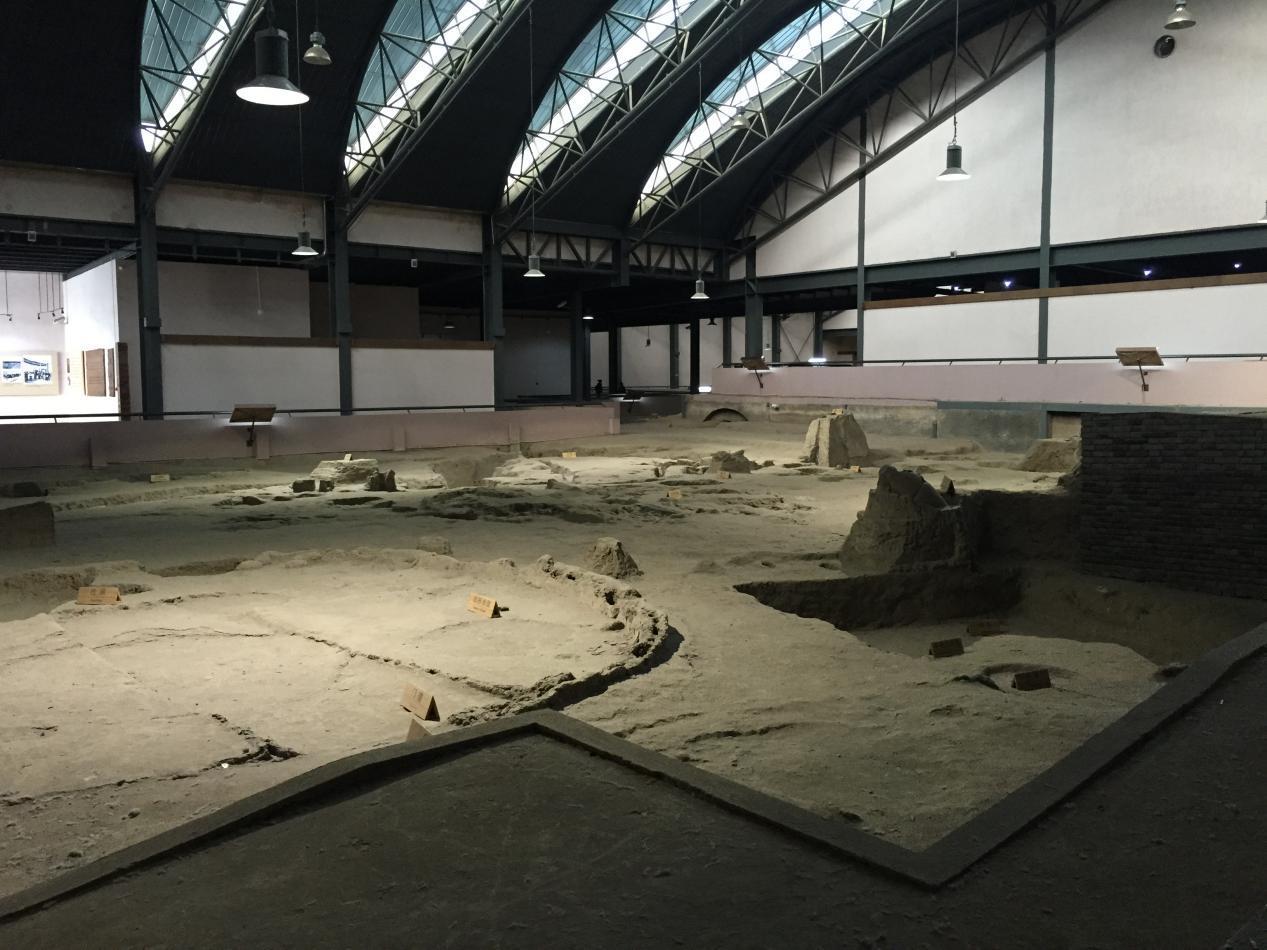
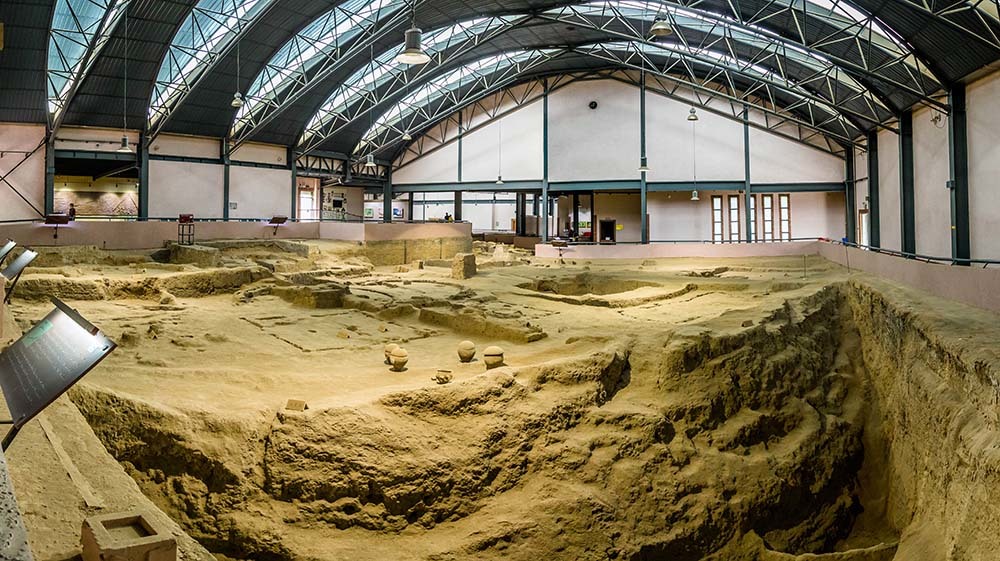
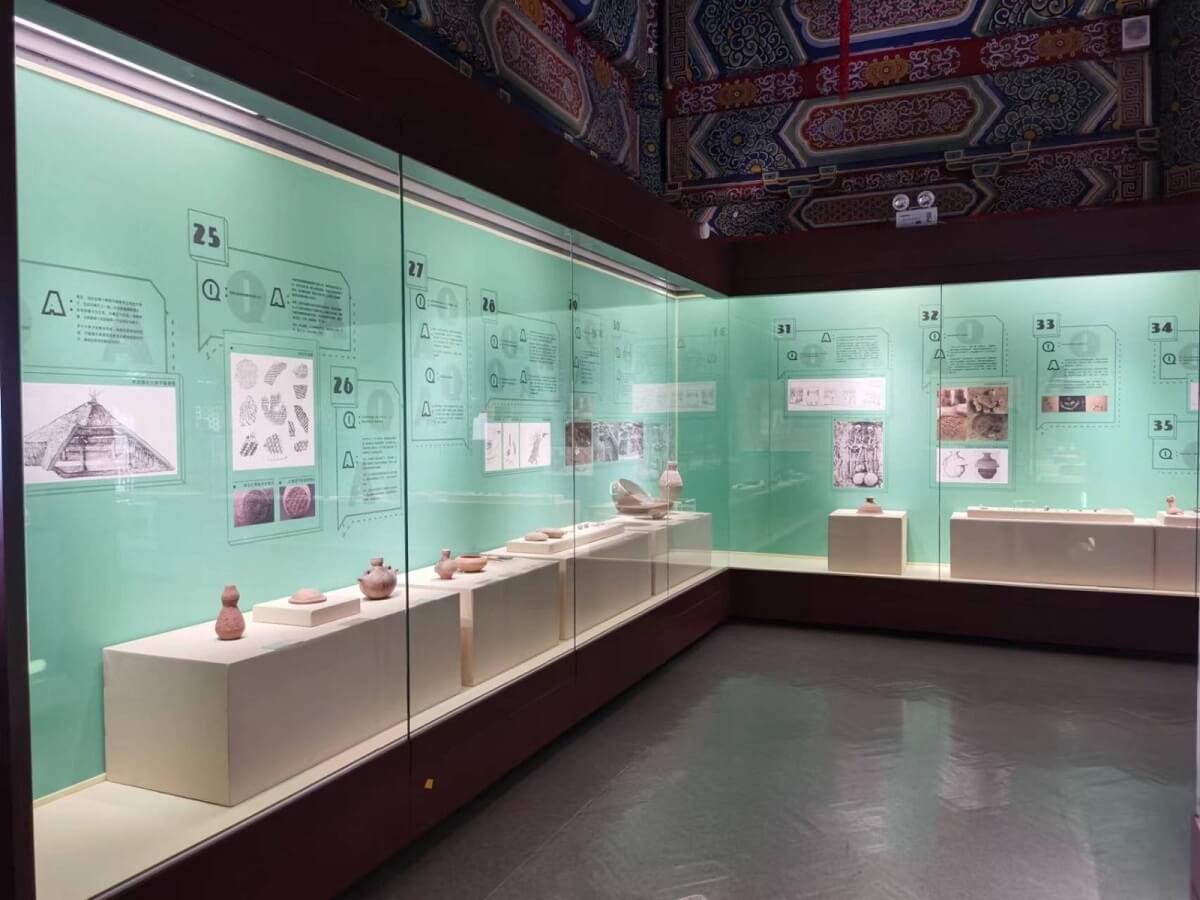
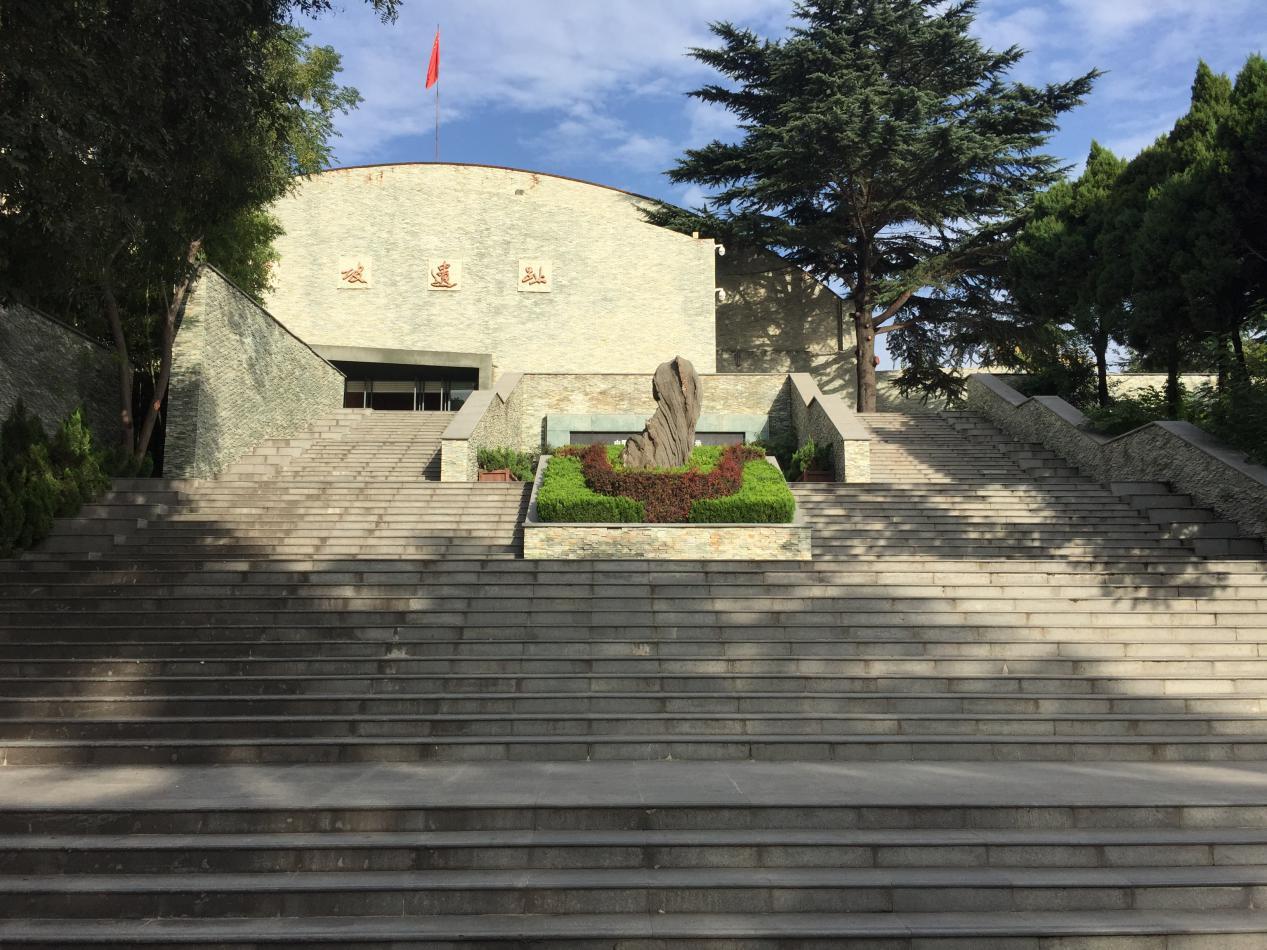
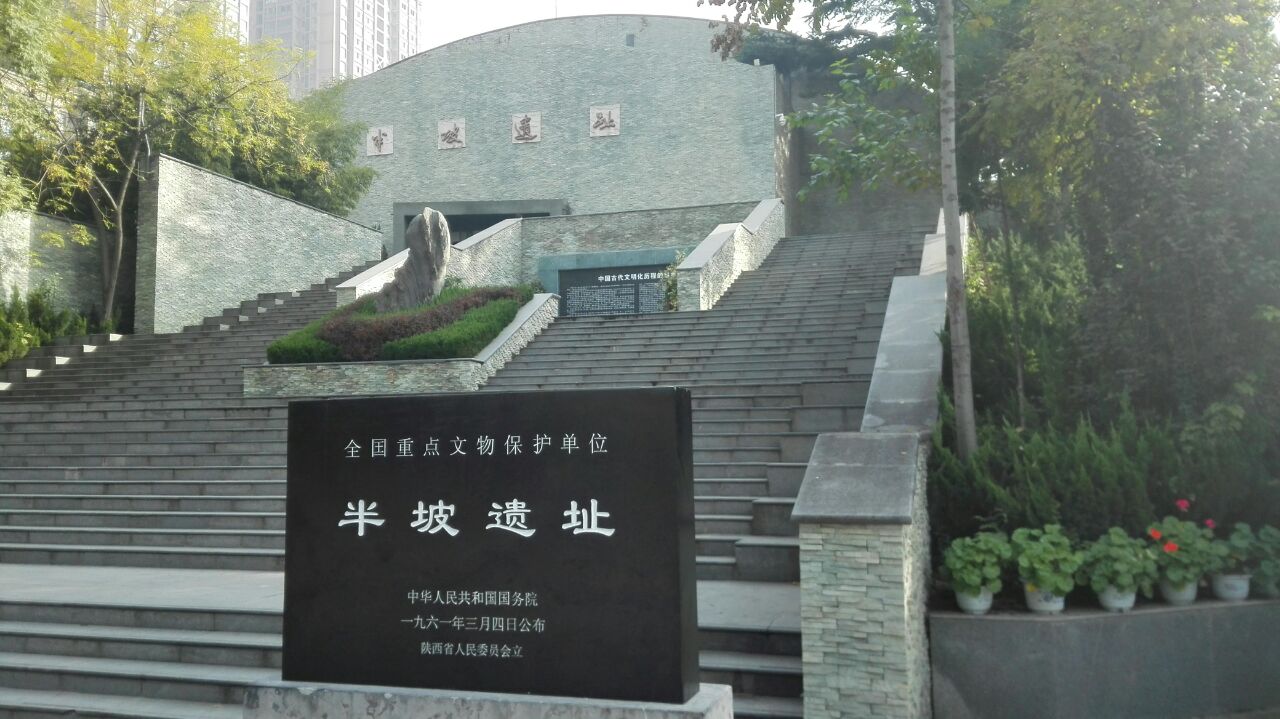
The heart of the museum is the vast Site Hall, a great protective dome sheltering the excavated village itself. Elevated walkways carry you over the genuine stumps of semi-subterranean houses, storage pits, pottery kilns, and the remarkable 300-metre defensive moat that once encircled the settlement — tangible evidence of organized communal defence six millennia ago. Galleries display Banpo's celebrated painted pottery, including the iconic basins bearing enigmatic human-face-with-fish designs, probably clan totems, alongside elegant pointed-bottom bottles that stood upright in water when filling — Neolithic hydro-engineering in clay. Exhibits on burial patterns, spindle whorls, and figurines interpret the matrilineal society. In the Prehistoric Workshop, children and adults alike can drill wood, make fire by friction, and pierce pottery, turning a museum visit into a hands-on ancient morning.
Today Banpo remains a beloved stop on any Xi'an itinerary, offering a quiet counterpoint to the imperial grandeur of the city's Tang and Ming monuments. It is open daily with no Monday closure — peak hours run 8:00 to 17:30 (last entry 17:00) from March through November, with slightly shorter winter hours — and its family-friendly workshop program draws steady crowds of school groups and curious travellers. Located on the Chan River's eastern bank, the museum connects easily to Xi'an's wider historical narrative, letting visitors trace the city's story back beyond emperors and walls to its very first villagers, and to the painted faces that still gaze out from the dawn of Chinese civilization.
Highlights
The Site Hall
A vast protective dome over the excavated village: real house foundations, storage pits, pottery kilns and the great defensive moat, viewed from elevated walkways.
Human-Face-Fish Pottery
The painted basins whose enigmatic round faces with fish fins — probably clan totems — are the icon of Yangshao culture.
Pointed-Bottom Bottles
Elegant amphorae that stand upright in water when filling — Neolithic hydro-engineering in clay.
Prehistoric Workshop
Kids and adults drill wood, make fire by friction and pierce pottery — the museum's celebrated hands-on program.
The Village Moat
The 300-metre protective trench encircling the settlement — evidence of organized communal defence 6 millennia ago.
Mother-Goddess Evidence
Exhibits interpret the matrilineal society: burial patterns, spindle whorls and figurines suggesting women's central role.
Photo Gallery
Comments